THE 928EV PROJECT
FULGORA
Discovery.
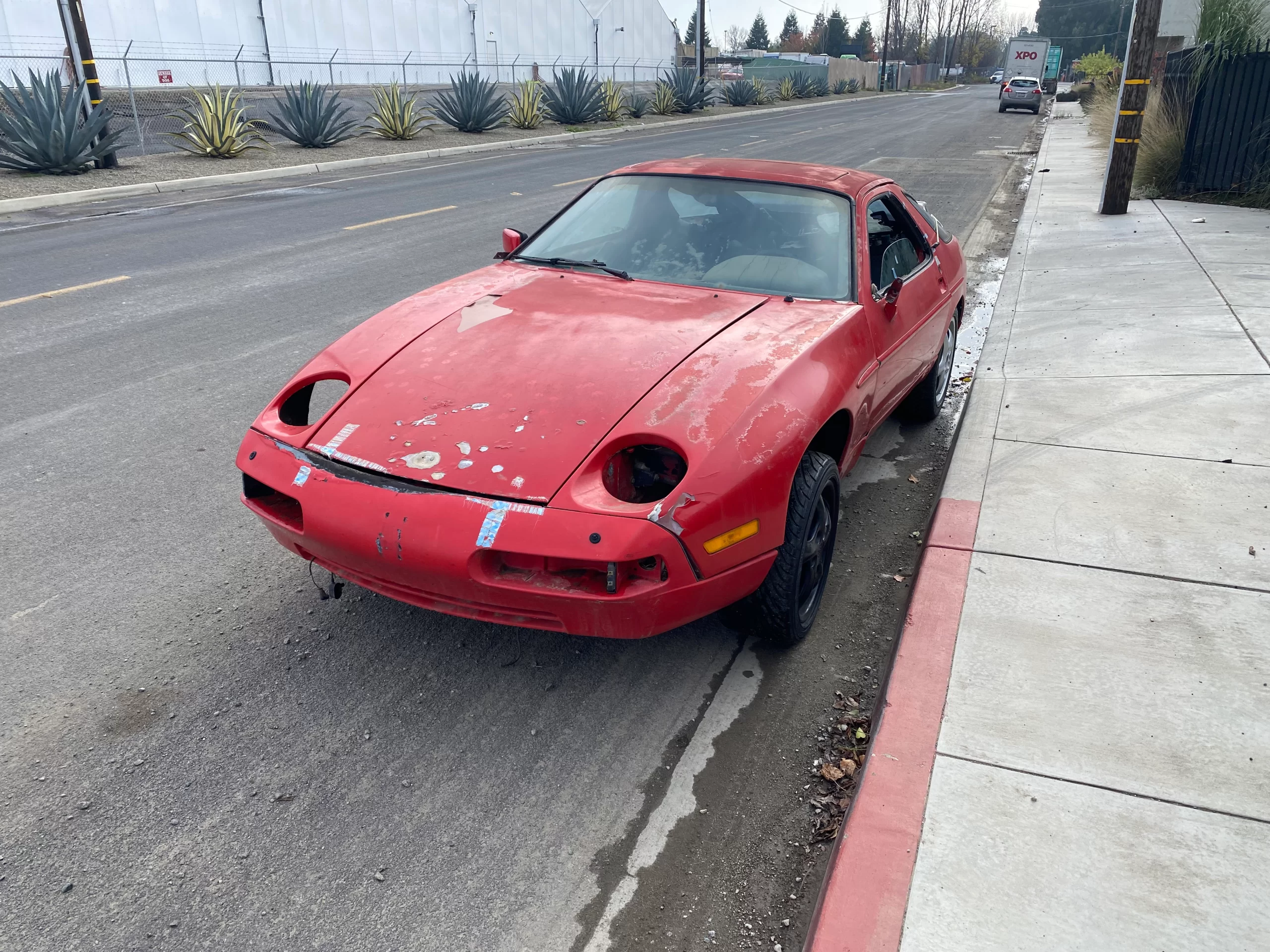
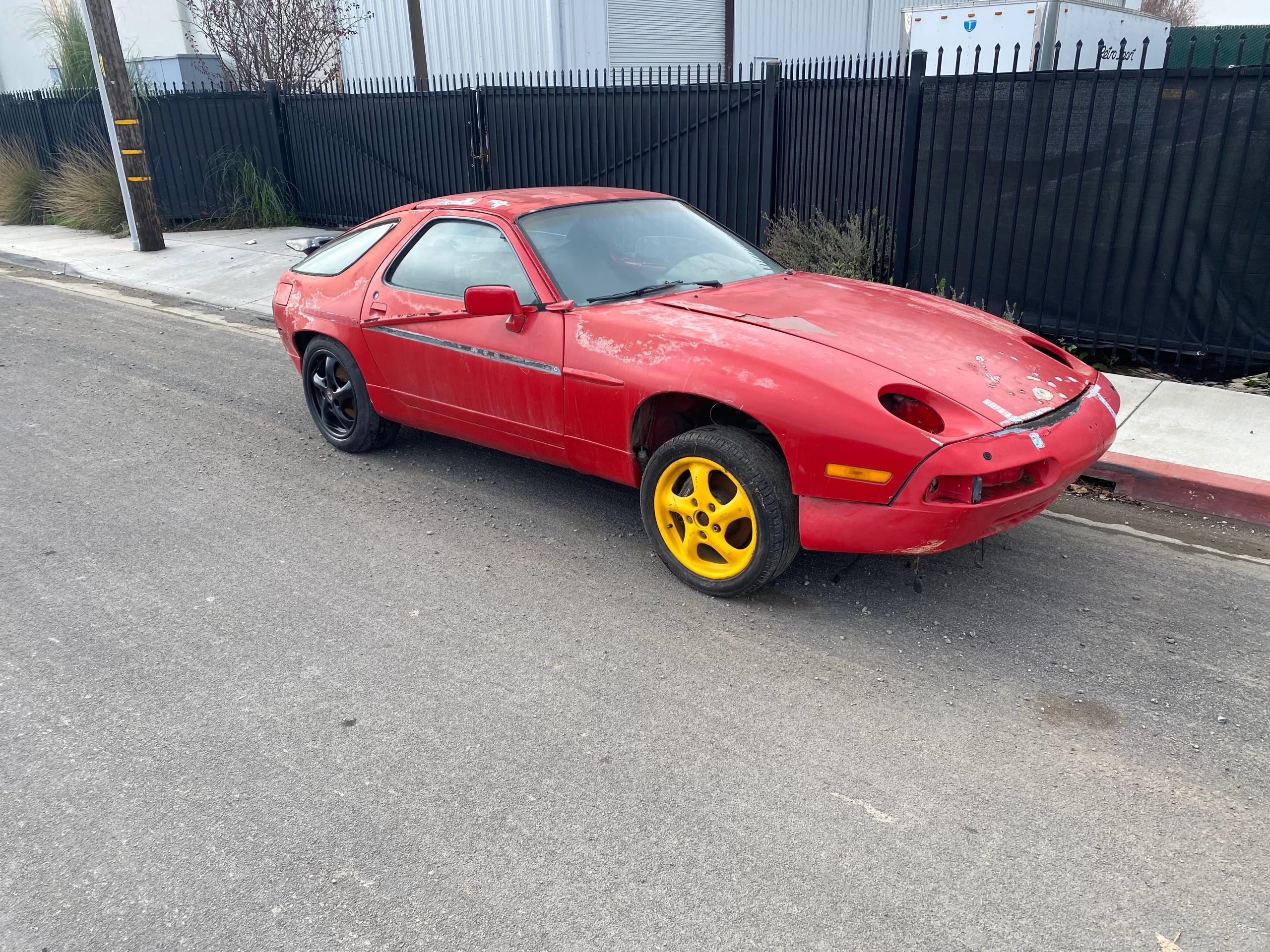
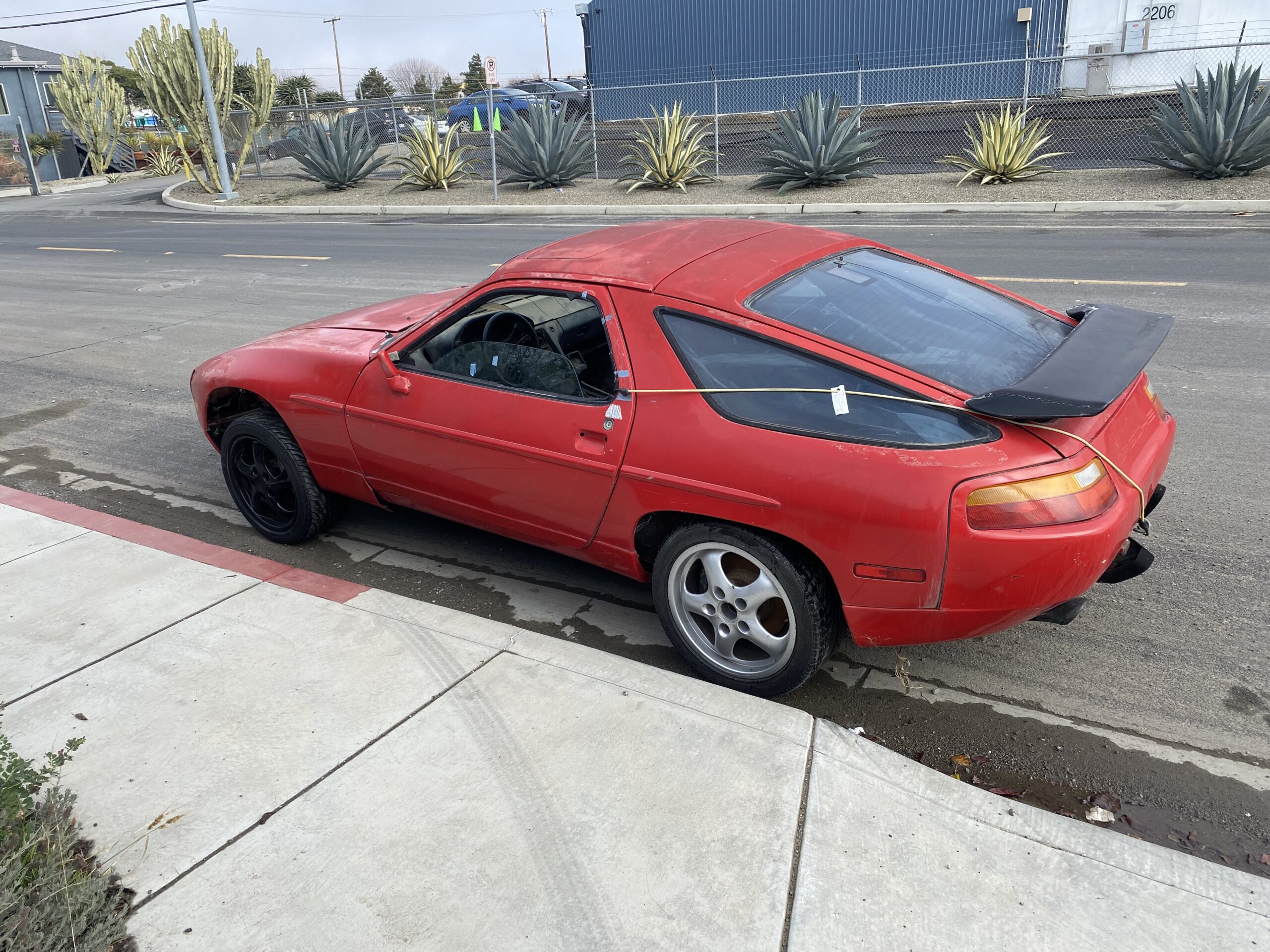
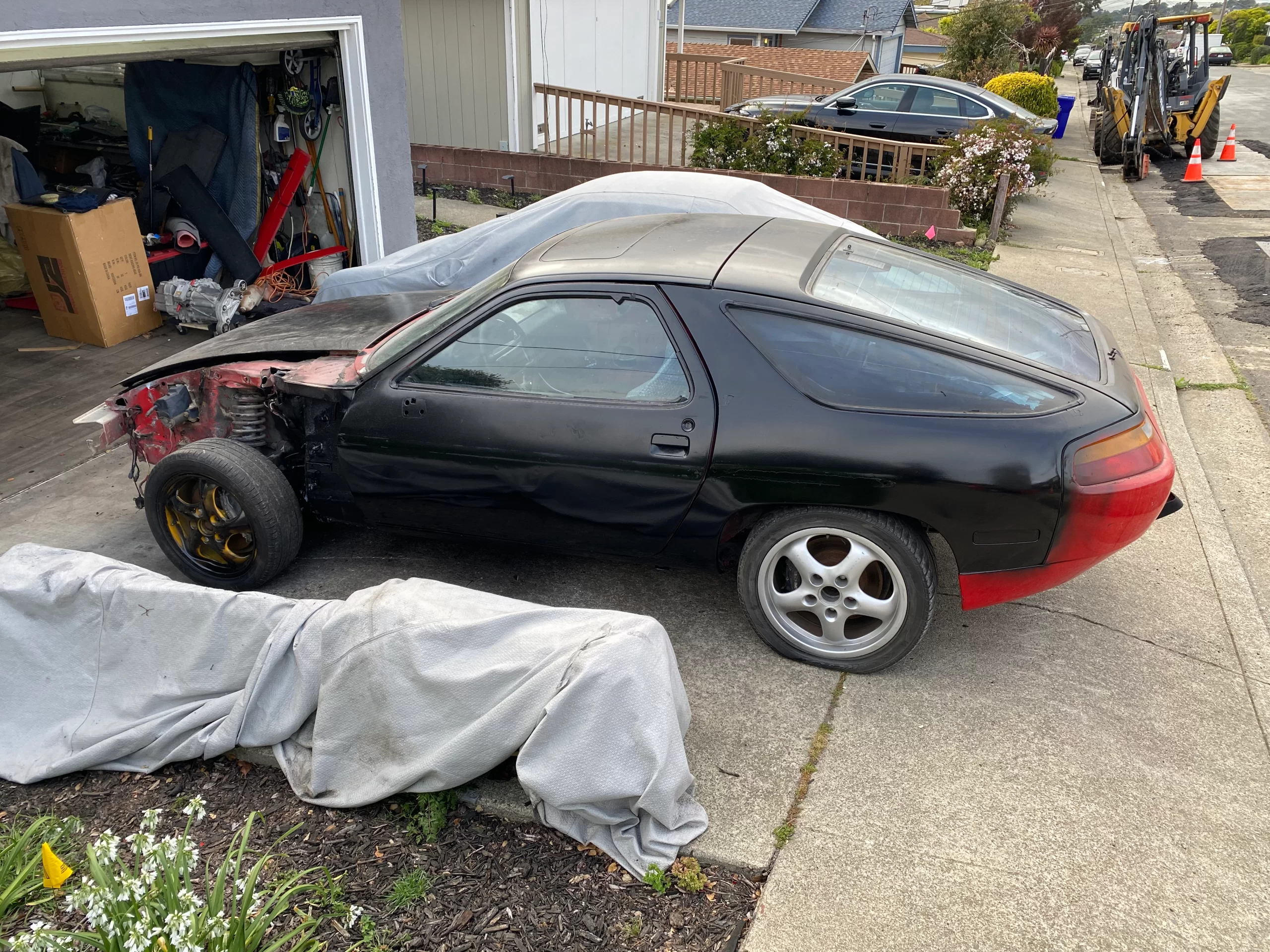
The Central Valley is ripe for automotive archeology. This 1988 Porsche 928S4 was one such find. With help from friends, we brought it back to the Bay Area with the aim of getting it back on the road. Early into the evaluation process, it was blindingly clear the car would lend itself better as a parts car than a road worthy rescue. Missing ECU and Ignition control units, door panels and locking mechanisms and other various components sealed its demise. It’s engine was donated, it’s transmission essentially gifted and several other parts sold for nominal values to help the eclectic 928 community keep their cars on the road. This was the end.
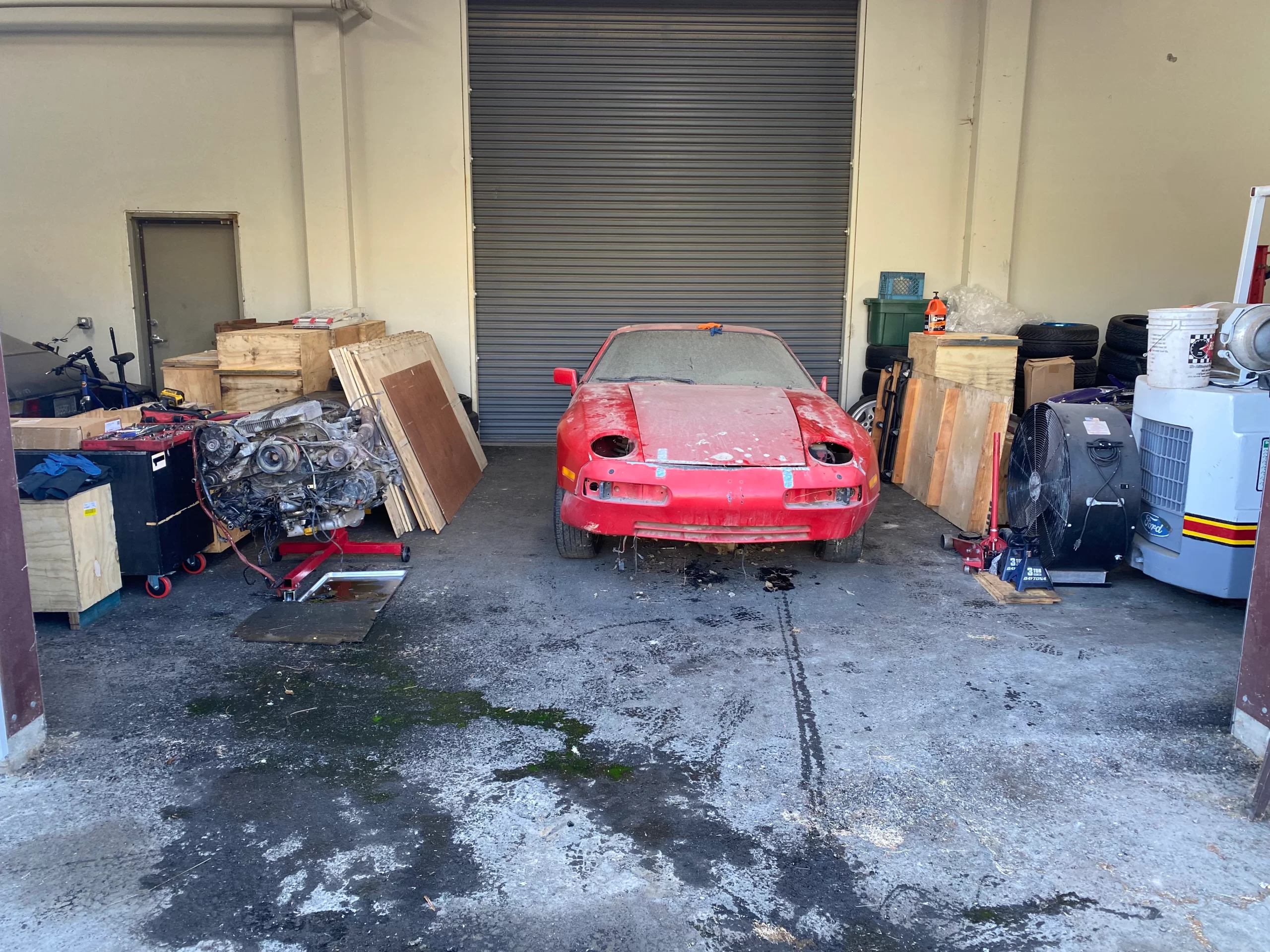
Blank Canvas
After a week of searching for possible wreckers for the 928, my hunt quickly stopped after a late night scrolling session on a favorite classified website.
A late night phone call was made, late night transportation arranged and early morning arrival timed; all to a delightful arrival in my garage. I was the owner of a very low mileage 2019 Nissan Leaf with intentional cosmetic body damage that was used in film on a Hollywood commercial set. No longer able to be title for road use, it could make an ideal for a candidate for a transplant into another vehicle as is. With all systems intact and careful removal, how hard would it be to “repackage” into another car? What car might be a willing recipient?
The 928? No. Sacrilege. Sorcery. Stupidity. So dumb. Selfish. Slander-welcoming. Who would do such a thing? Only a fool…
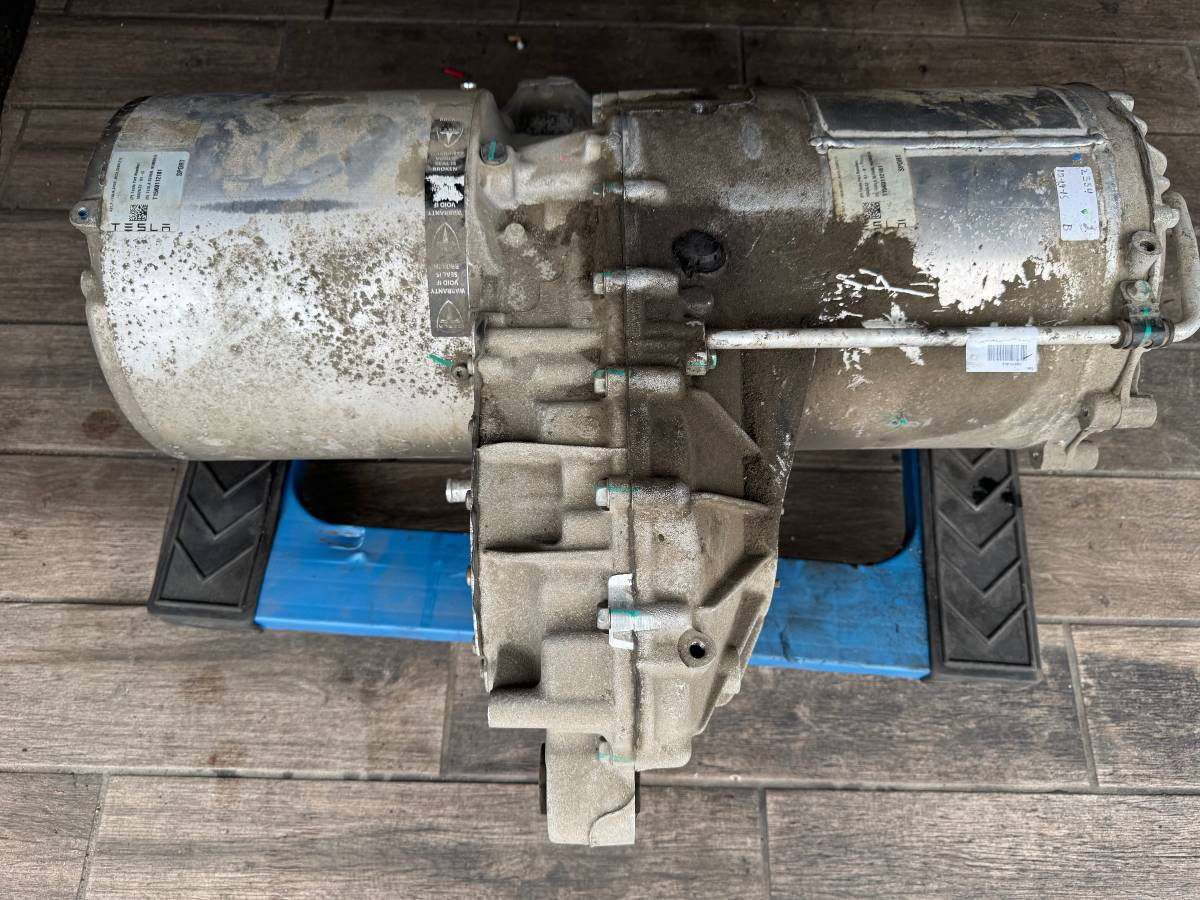
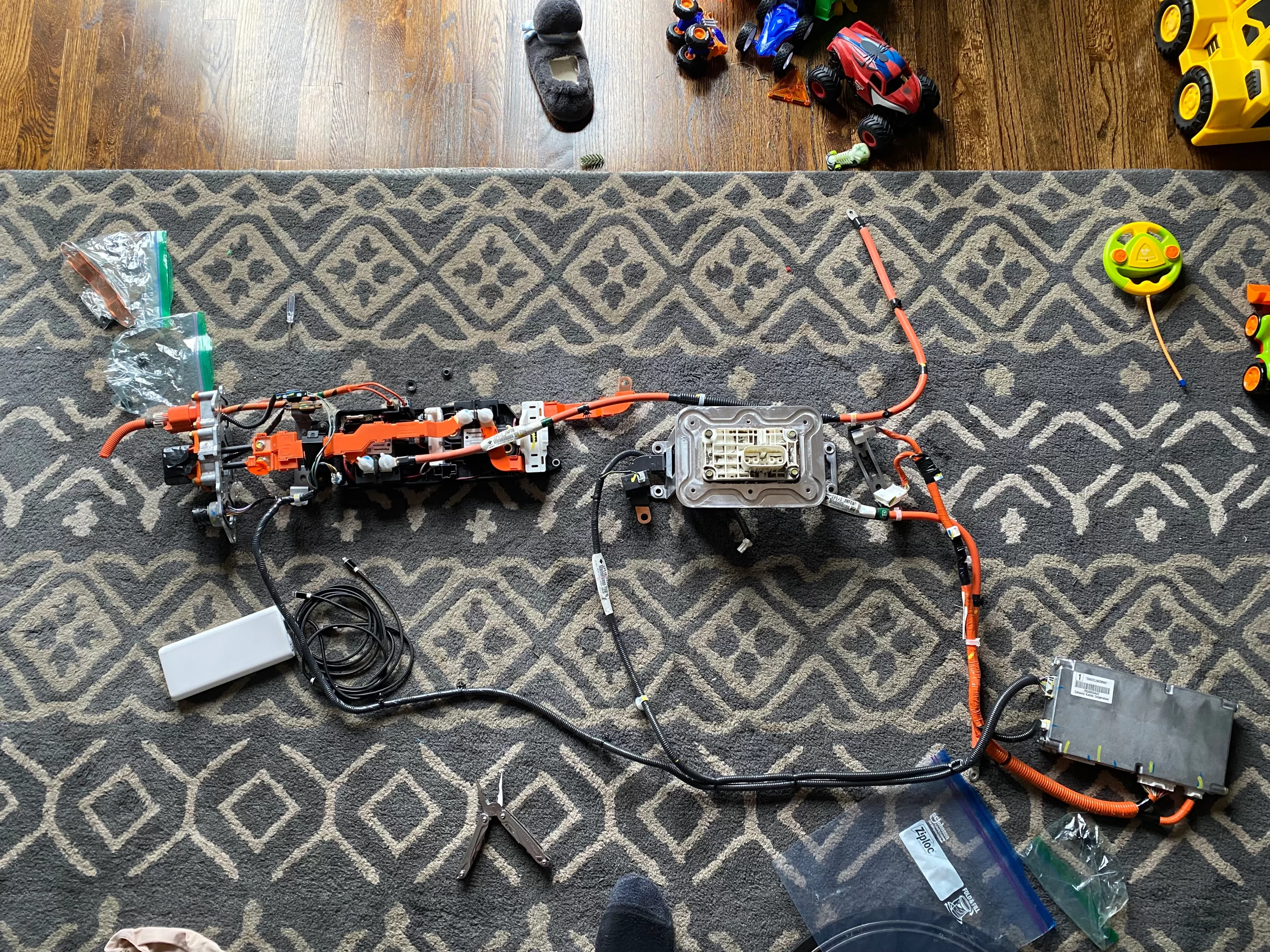
So I got to work =o) The Leaf was completely stripped of its high voltage battery, Motor, Inverter, DCDC Converter, wiring, Modules, Electric Brake Booster, harnesses, sensors and all relevant components needed for the donor (Everything). A more difficult search of an electric car scrapper in the area finally agreed to take the car away.
From the day it was purchased, a very accommodating and extremely generous local Porsche Shop Owner (both known and unknown to the Porsche Community) allowed me to store the car while I determined the fate of the 928. It was music to his ears when it was ready to leave. After a quick tow, it was back home in the garage.
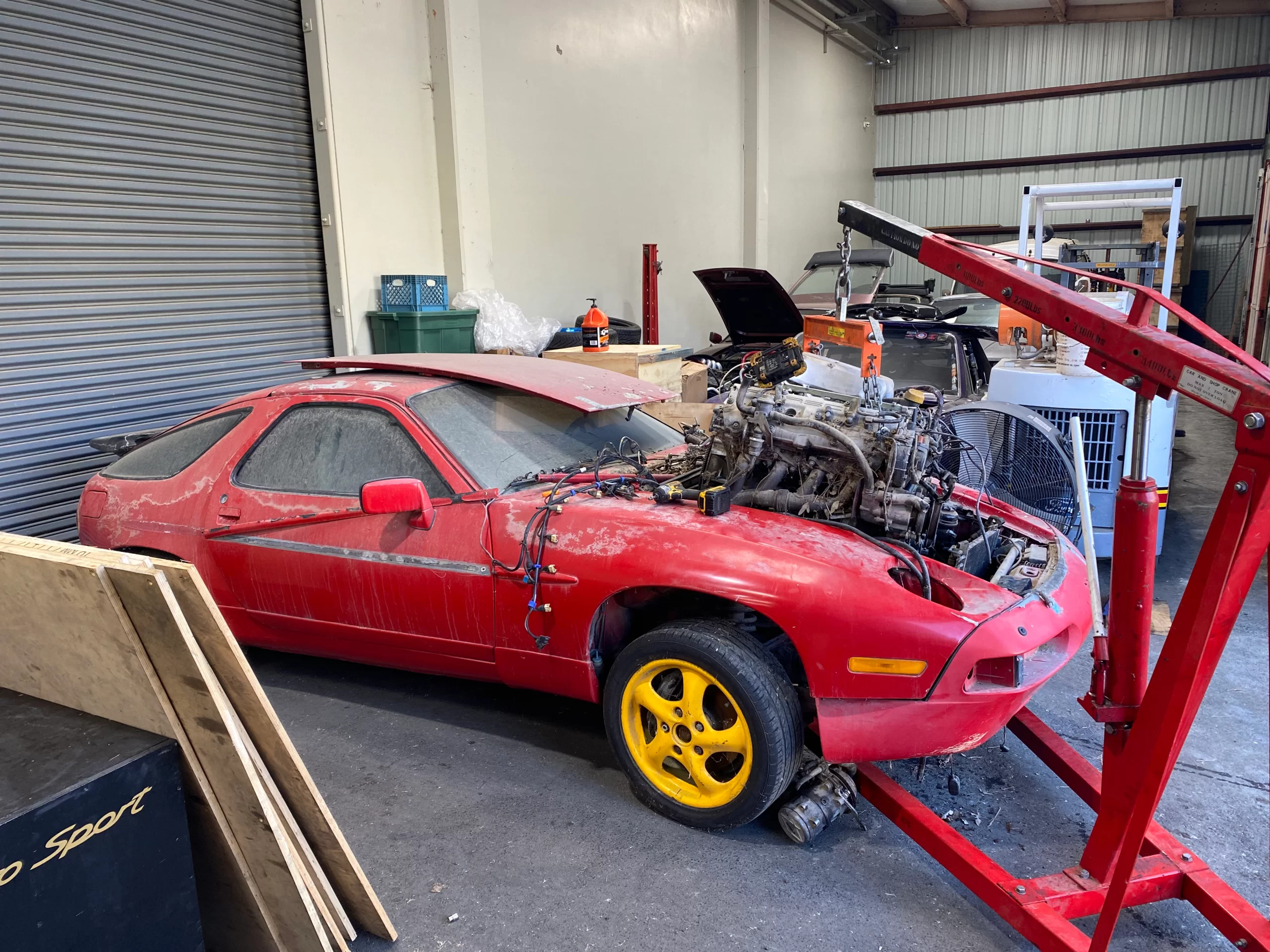
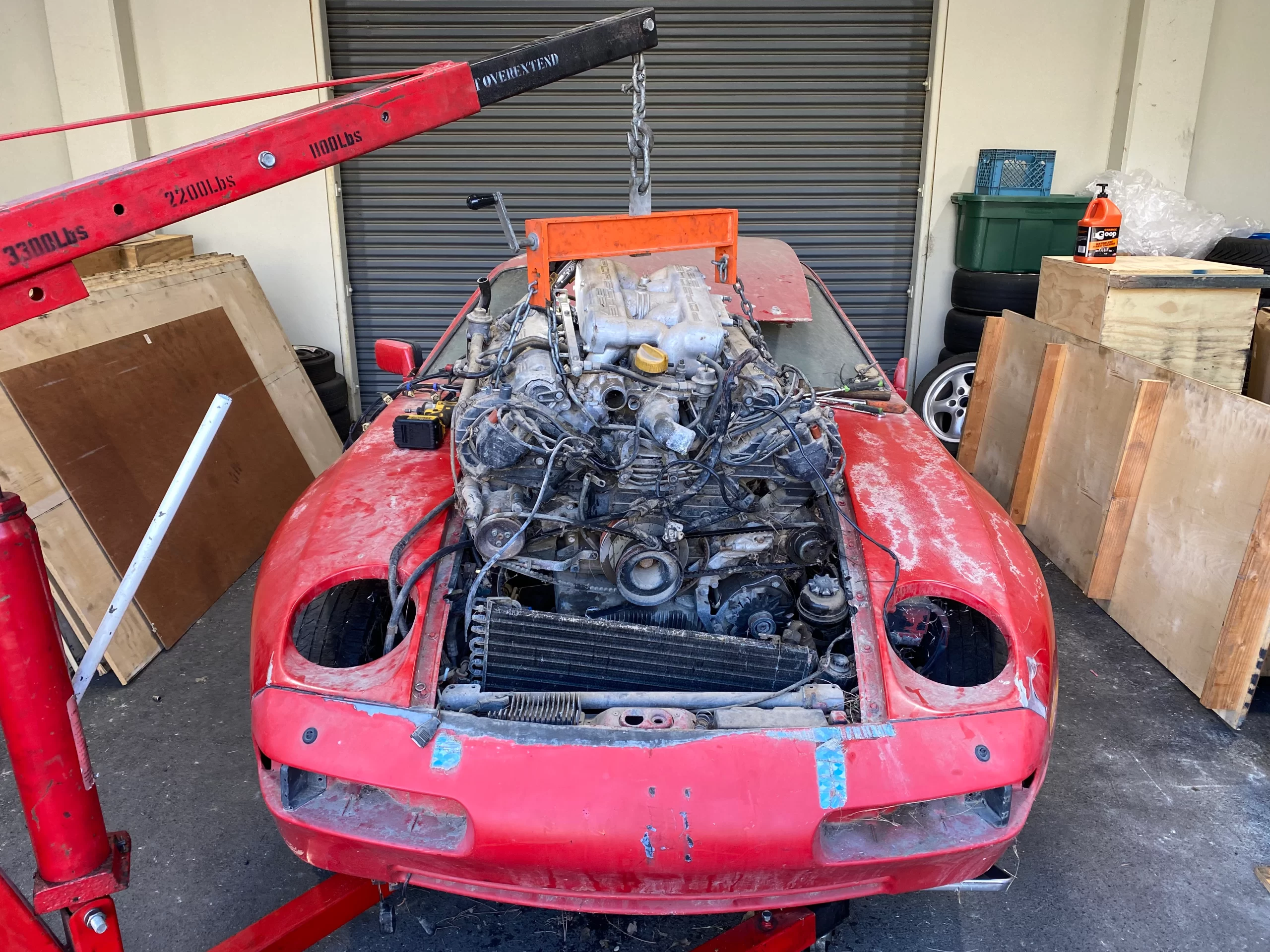
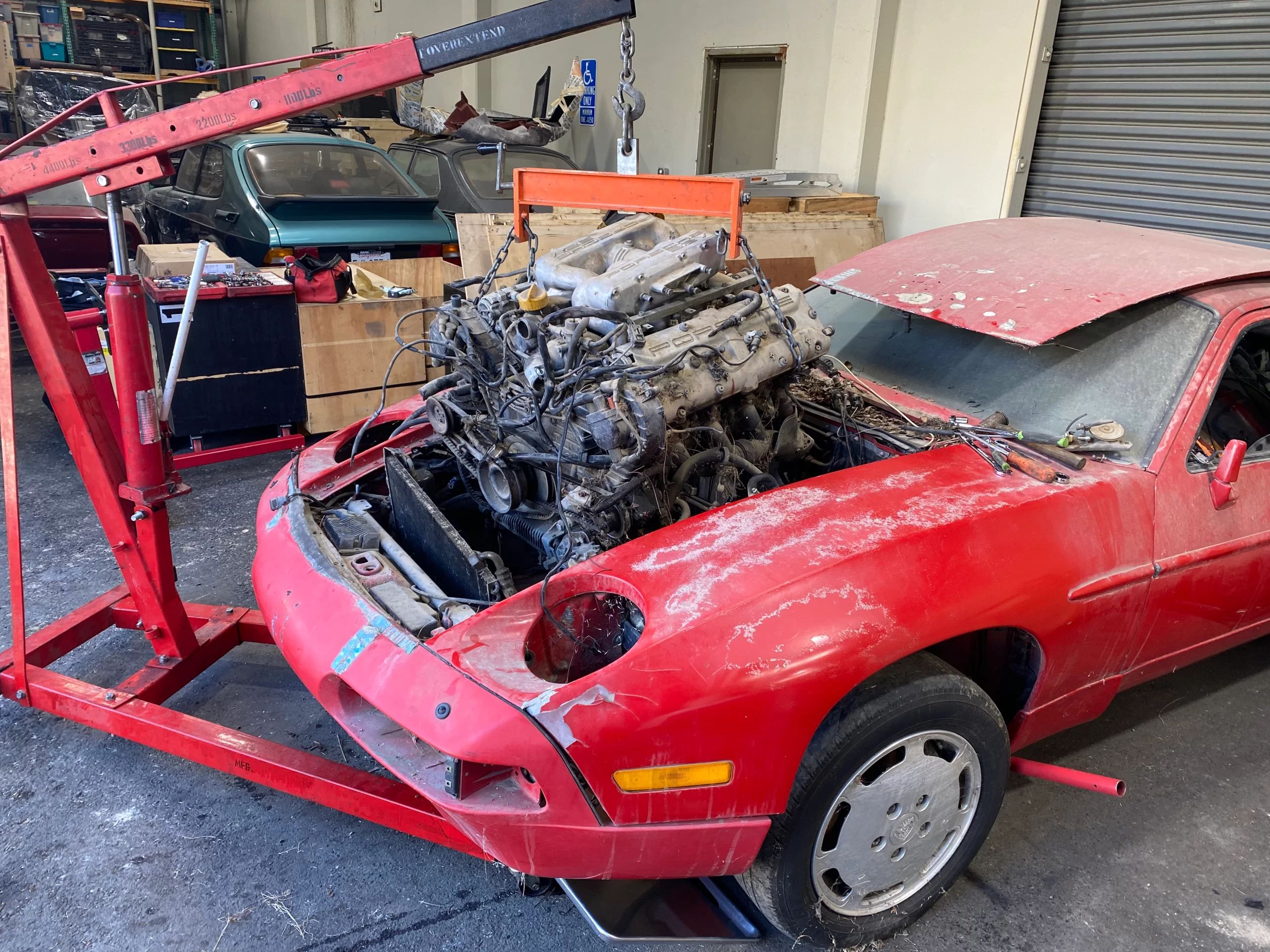
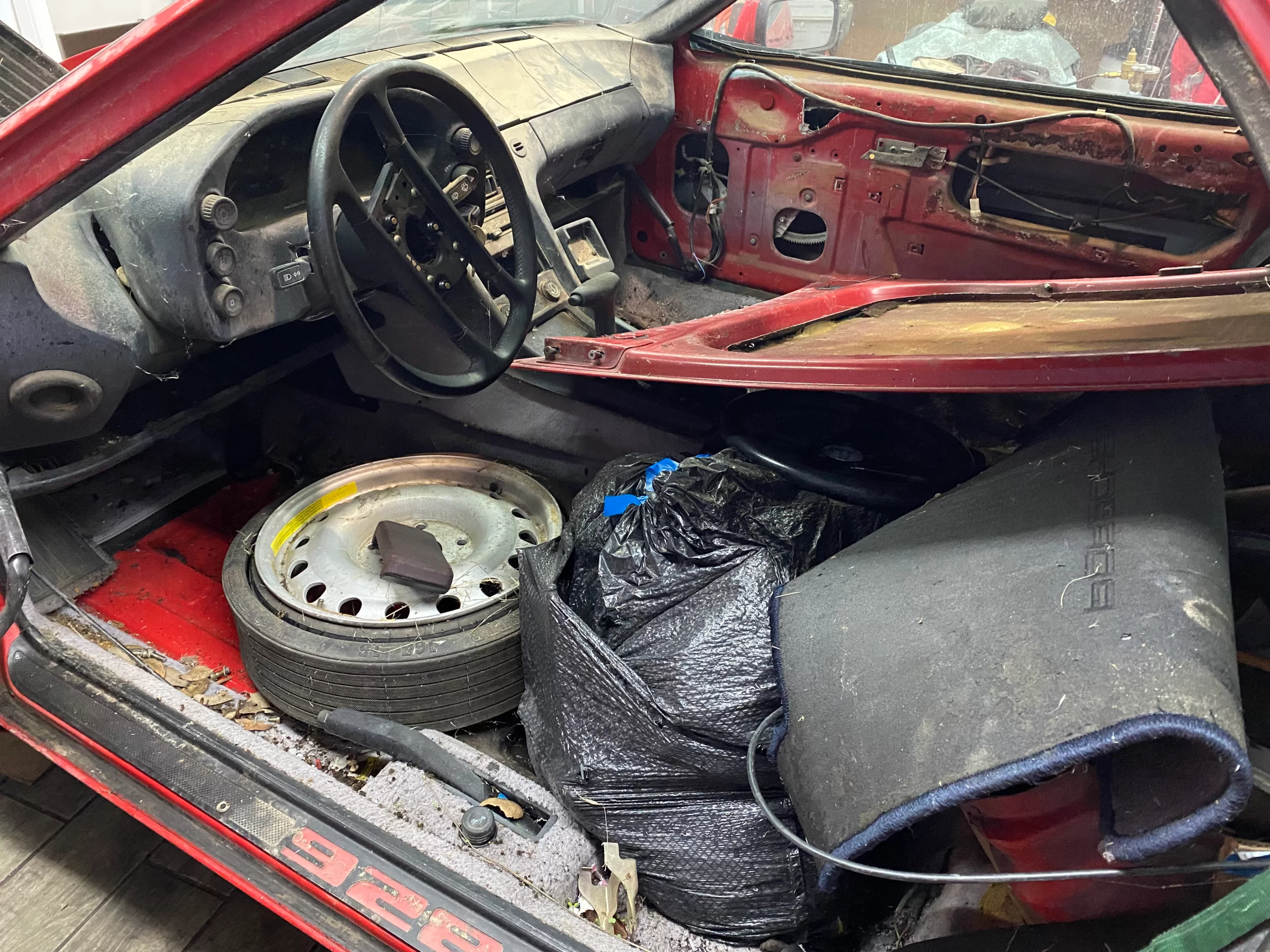
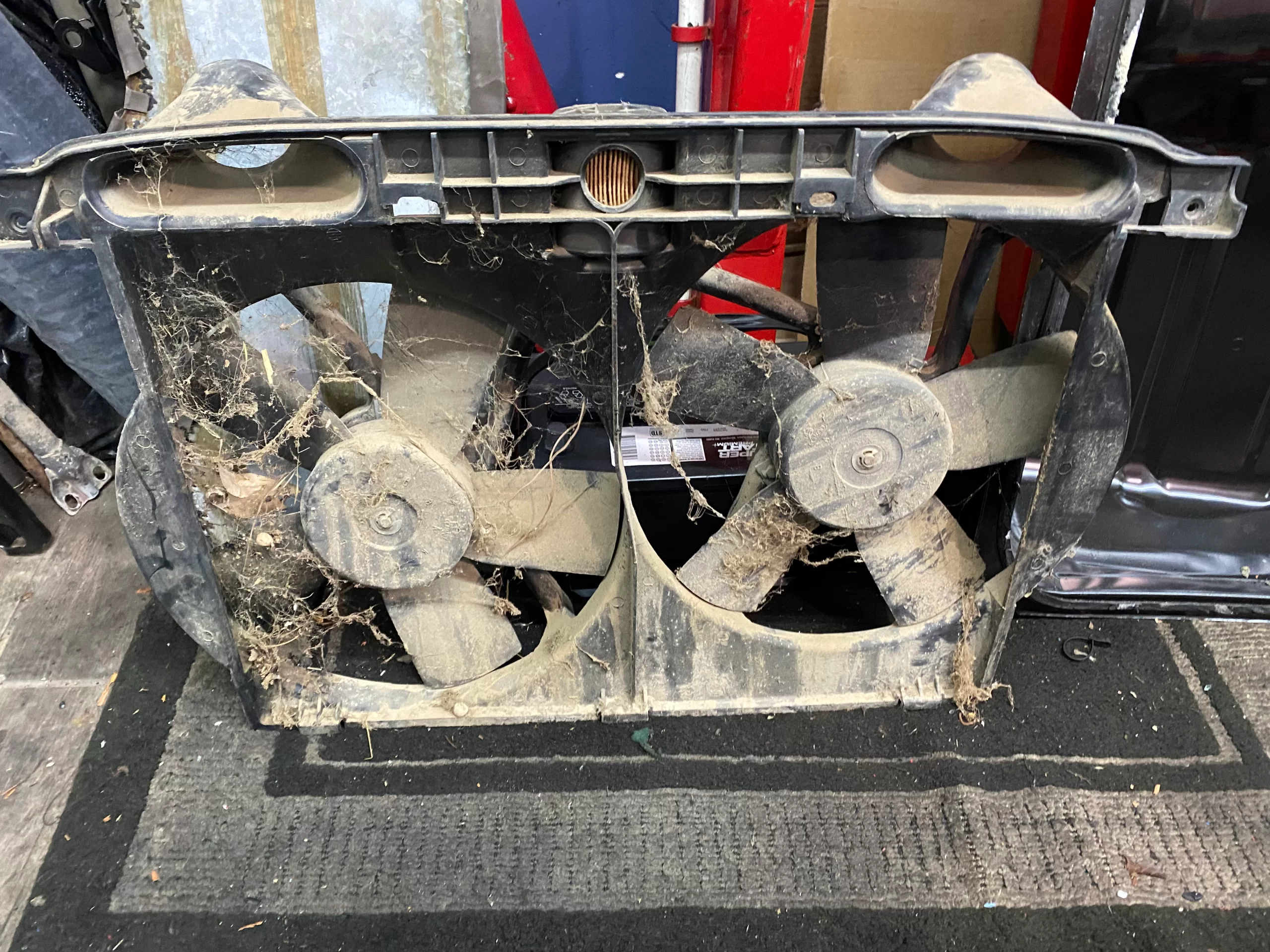
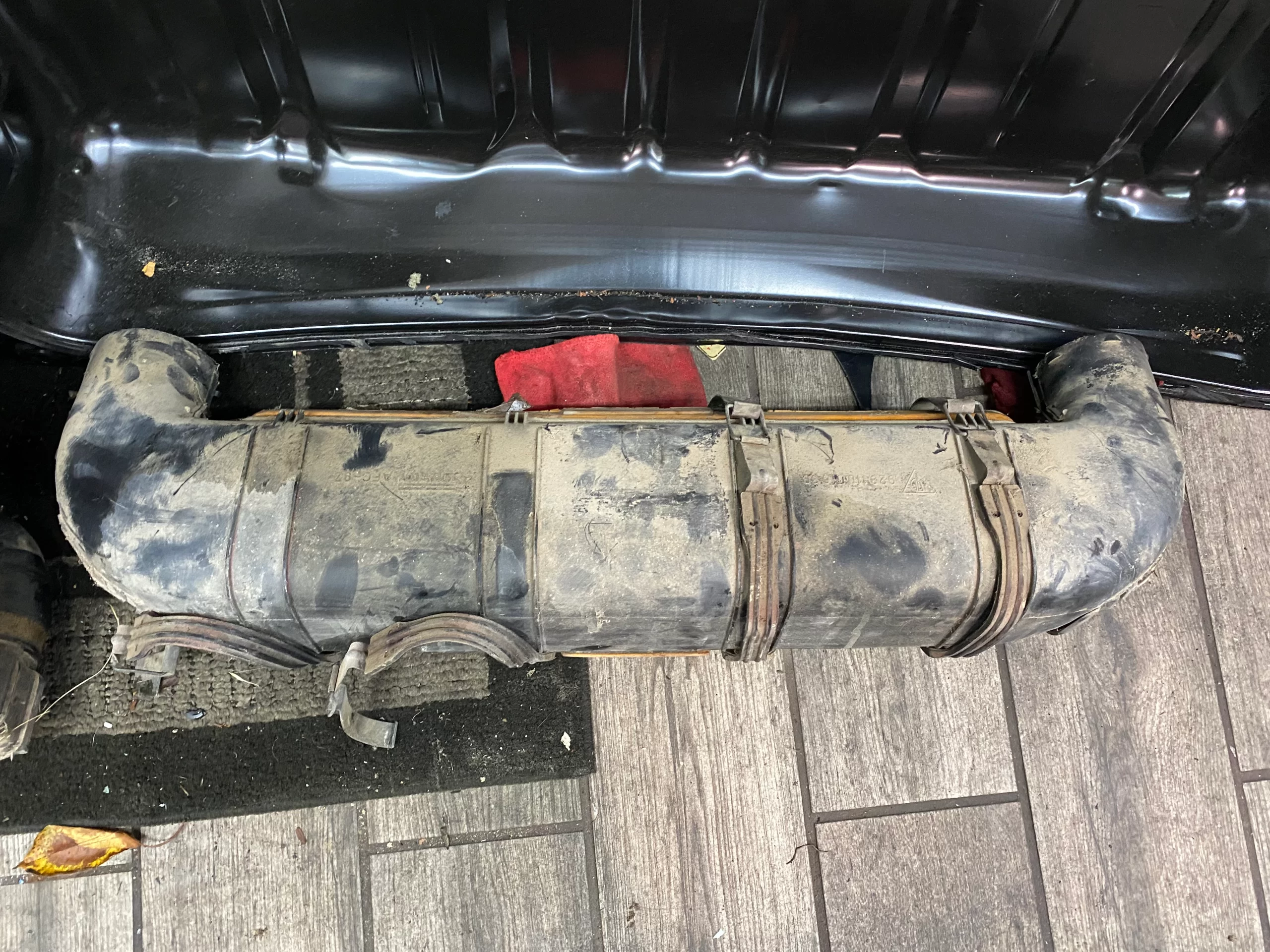
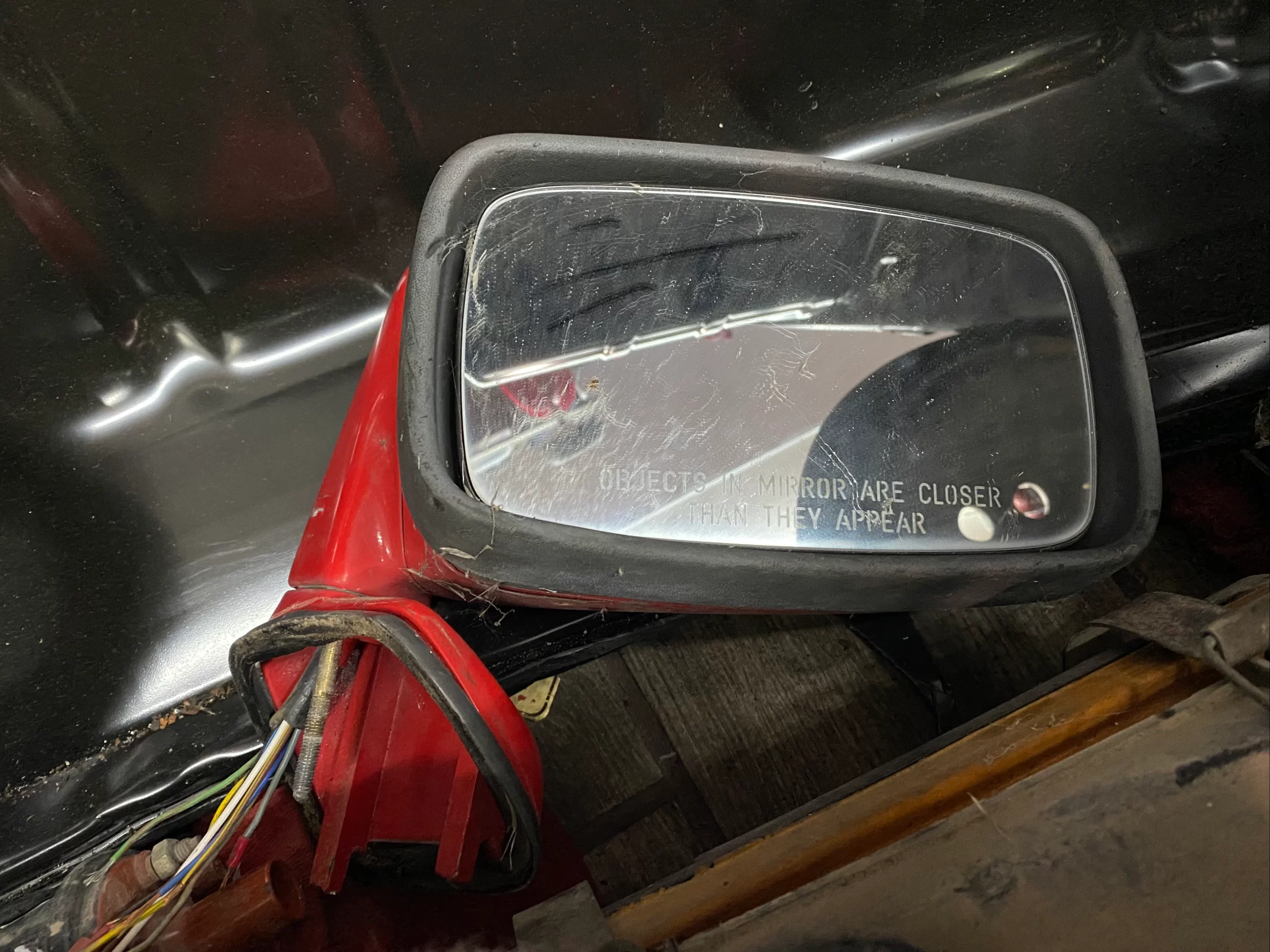
CLOCK IN
The goals were simple; Minimize costs. Use Leaf & Porsche Components. Fail. Learn. Repeat.
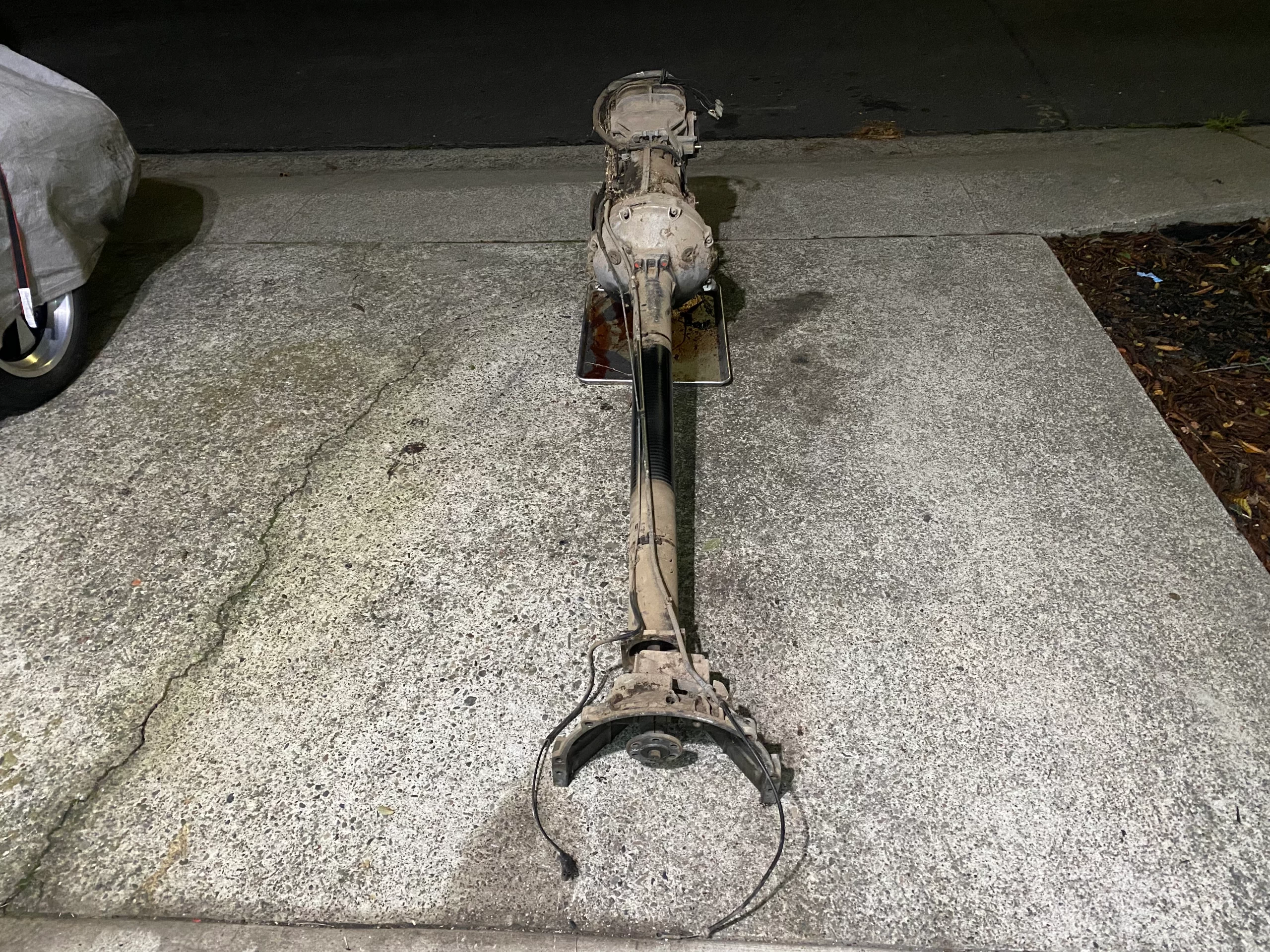
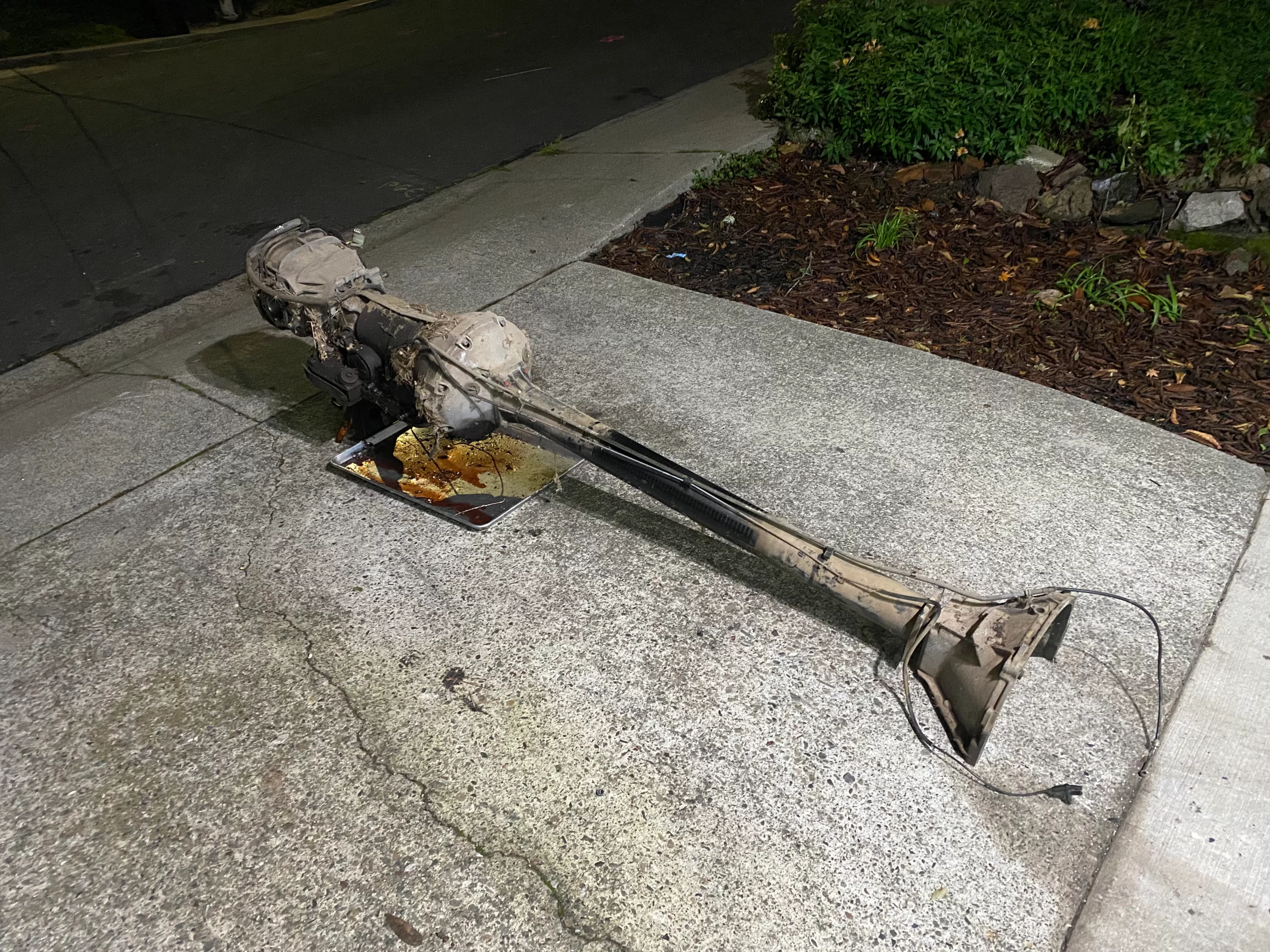
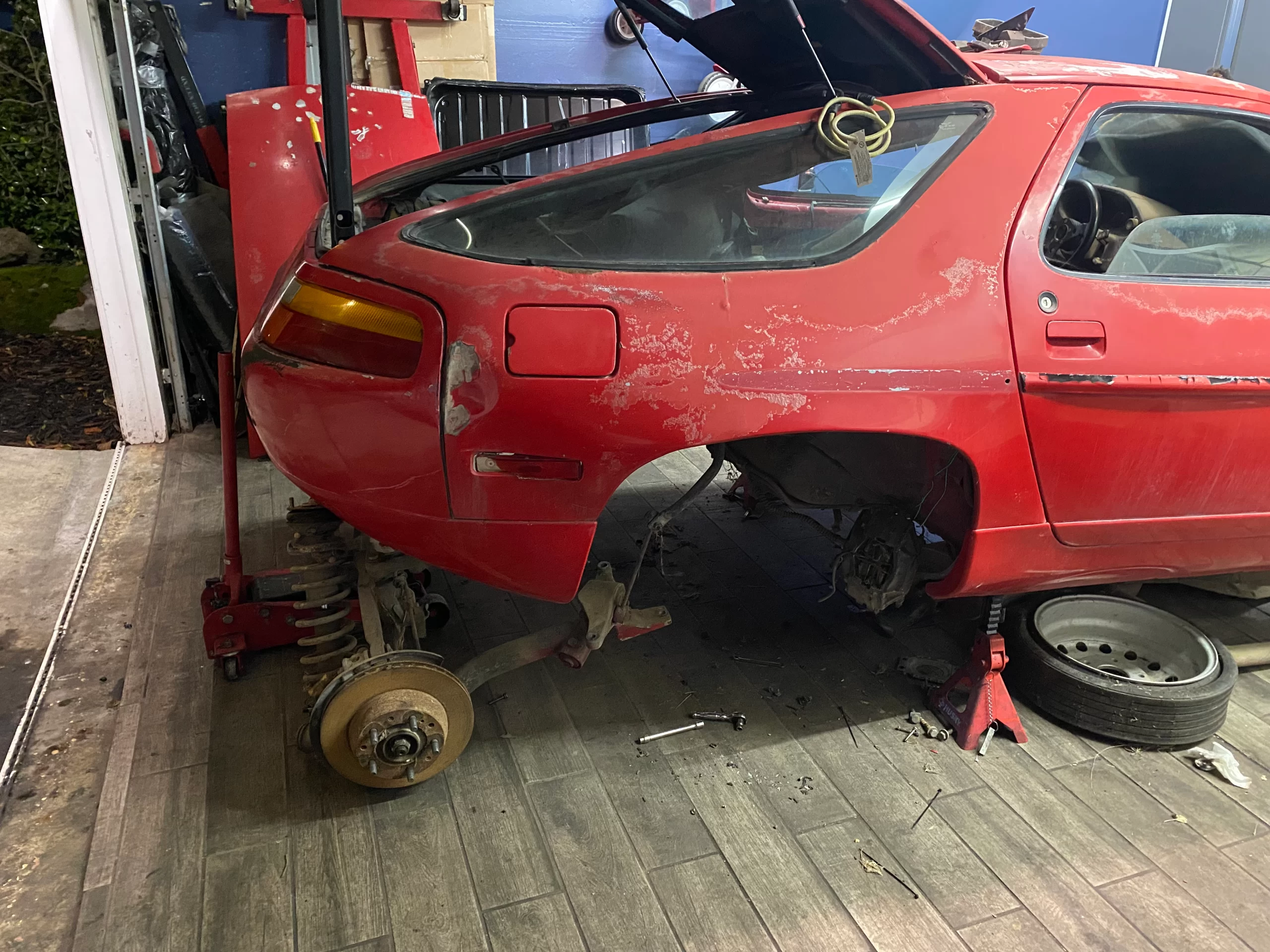
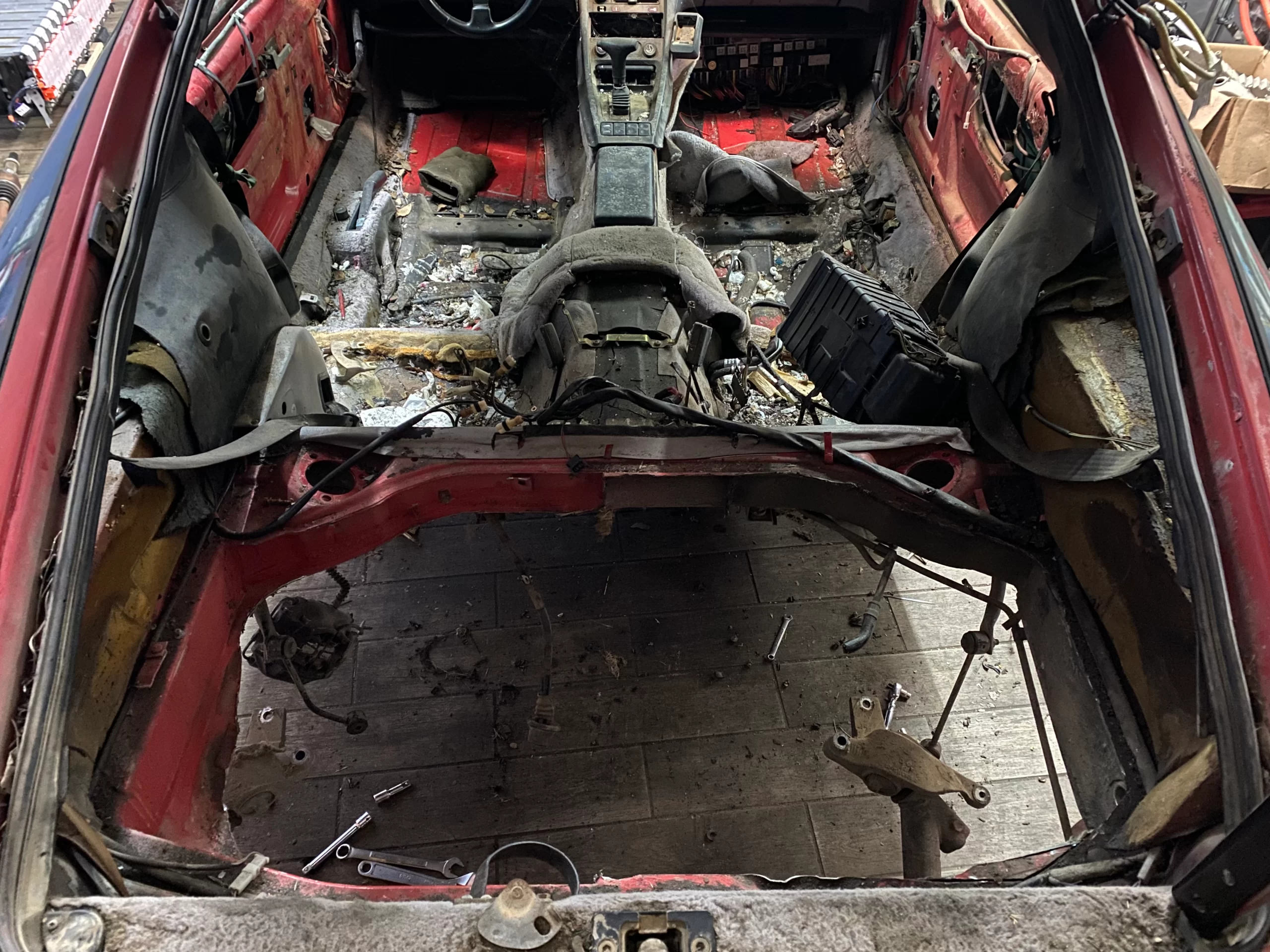
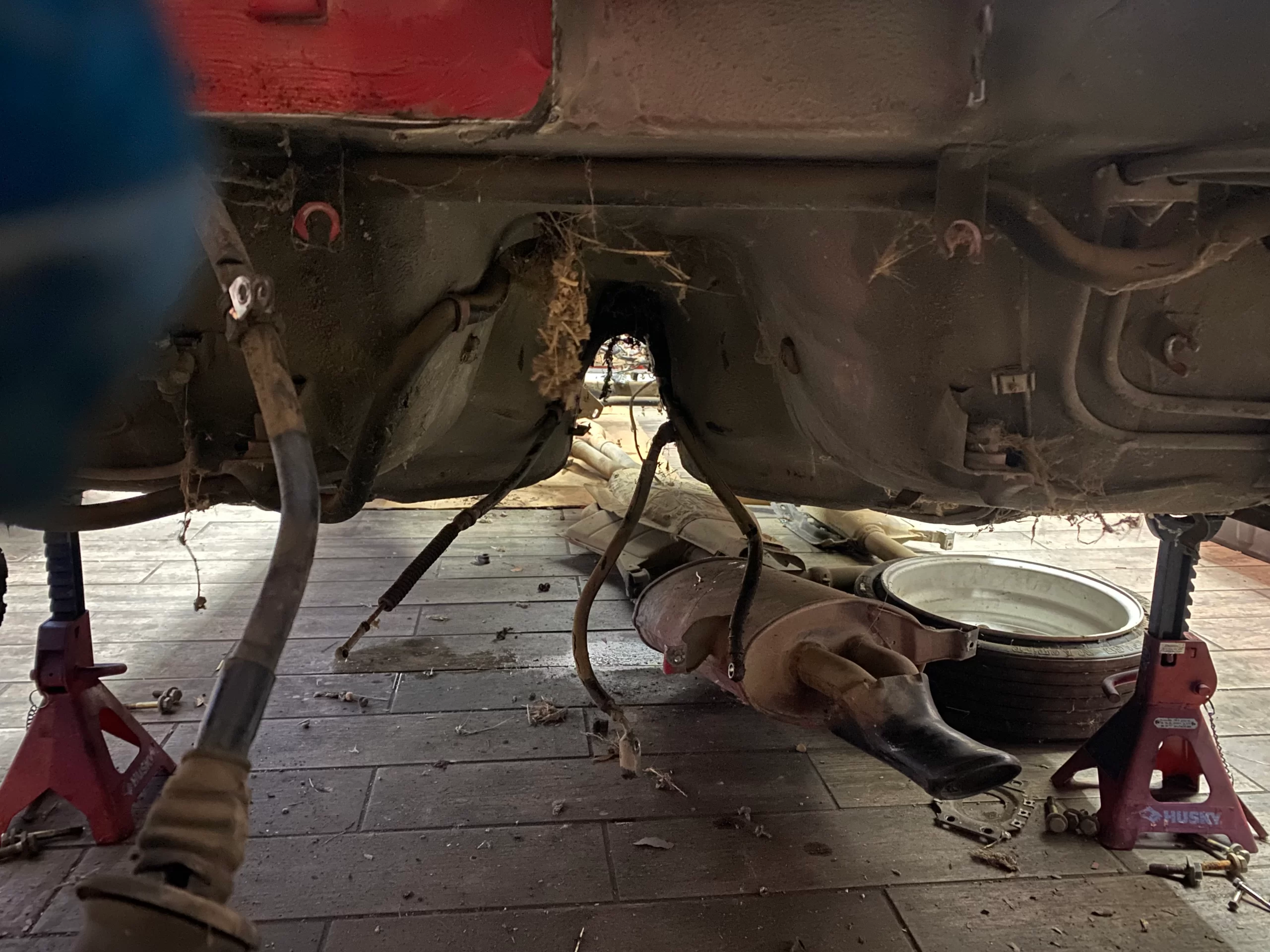
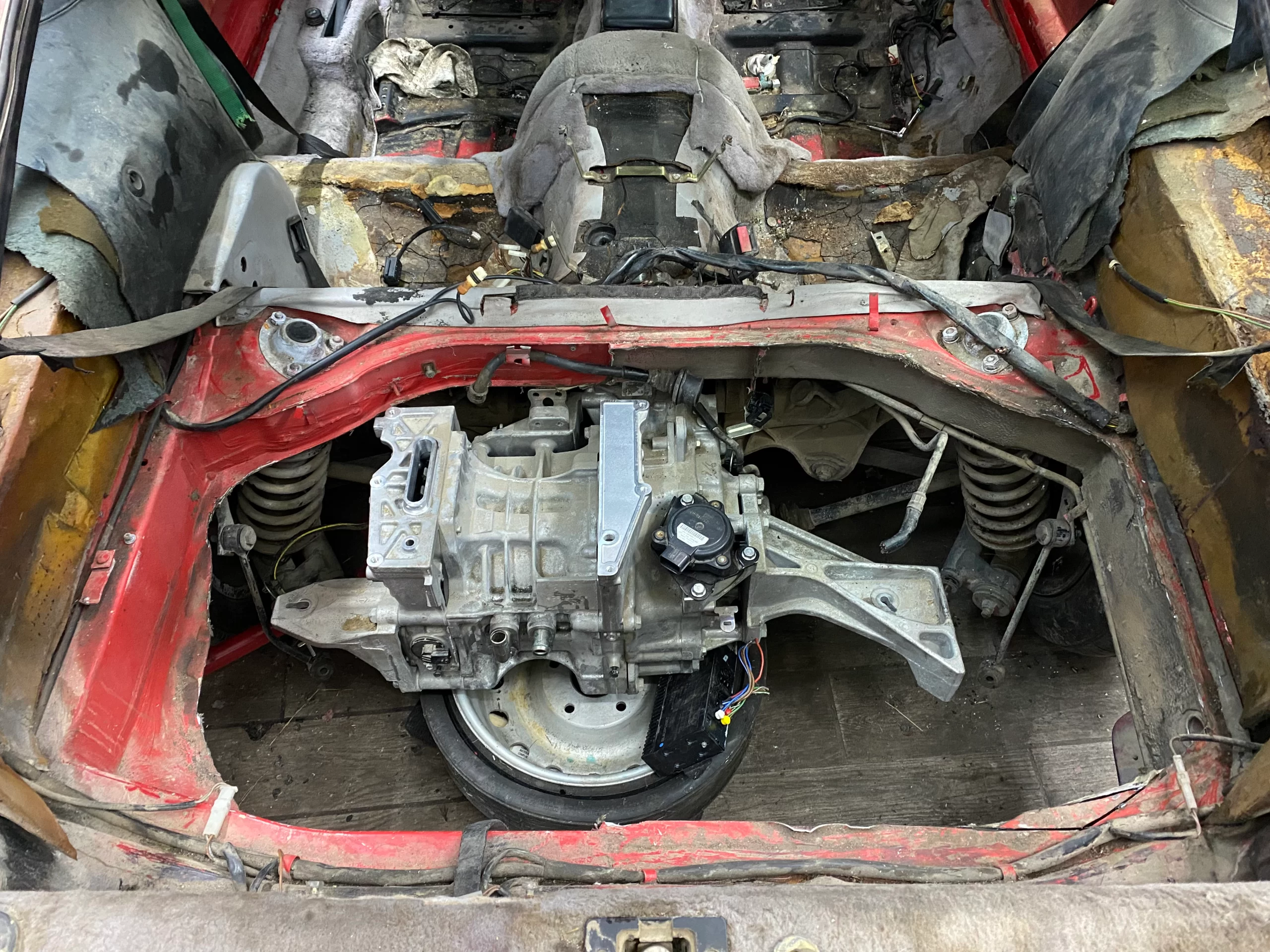
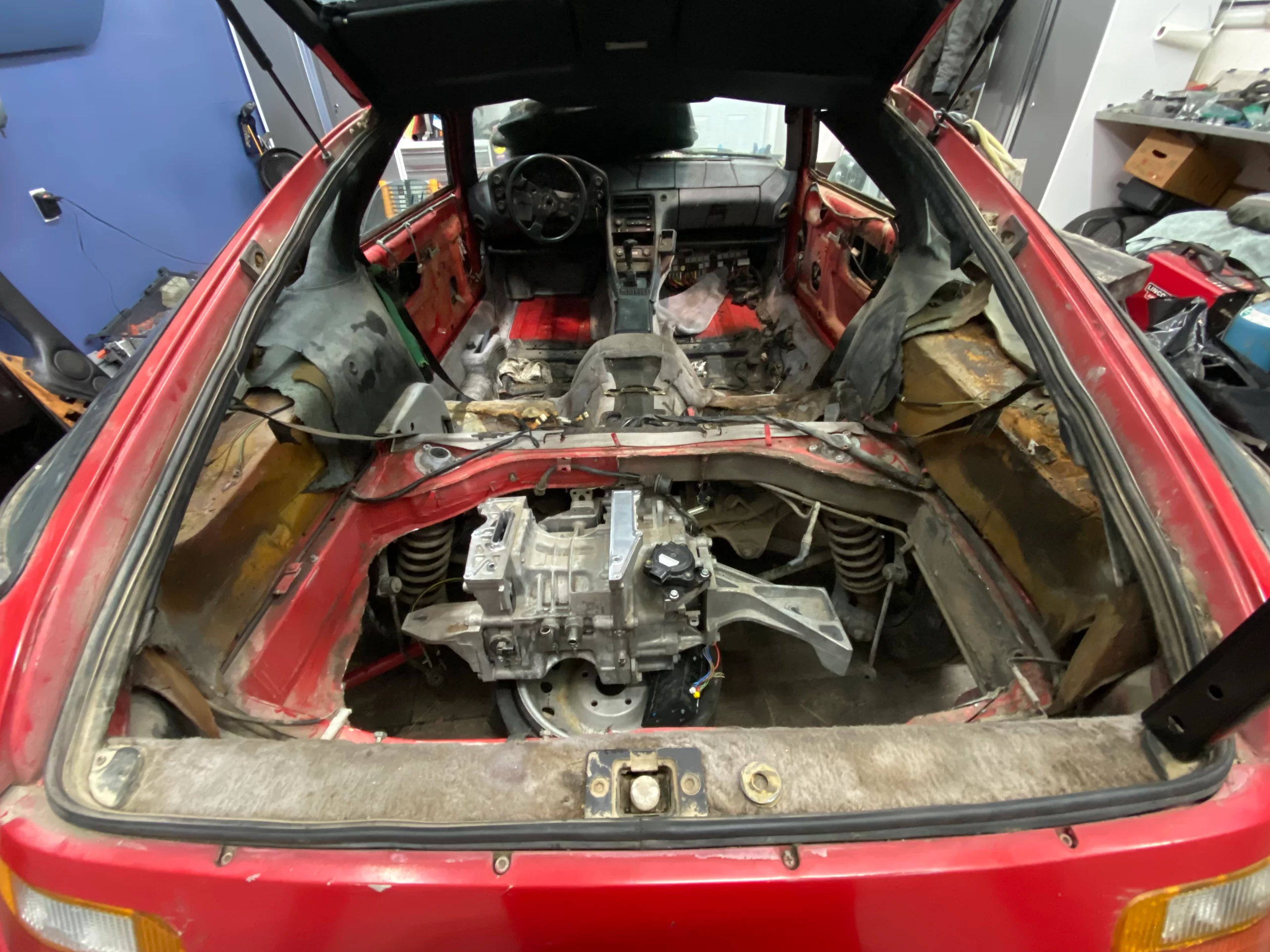
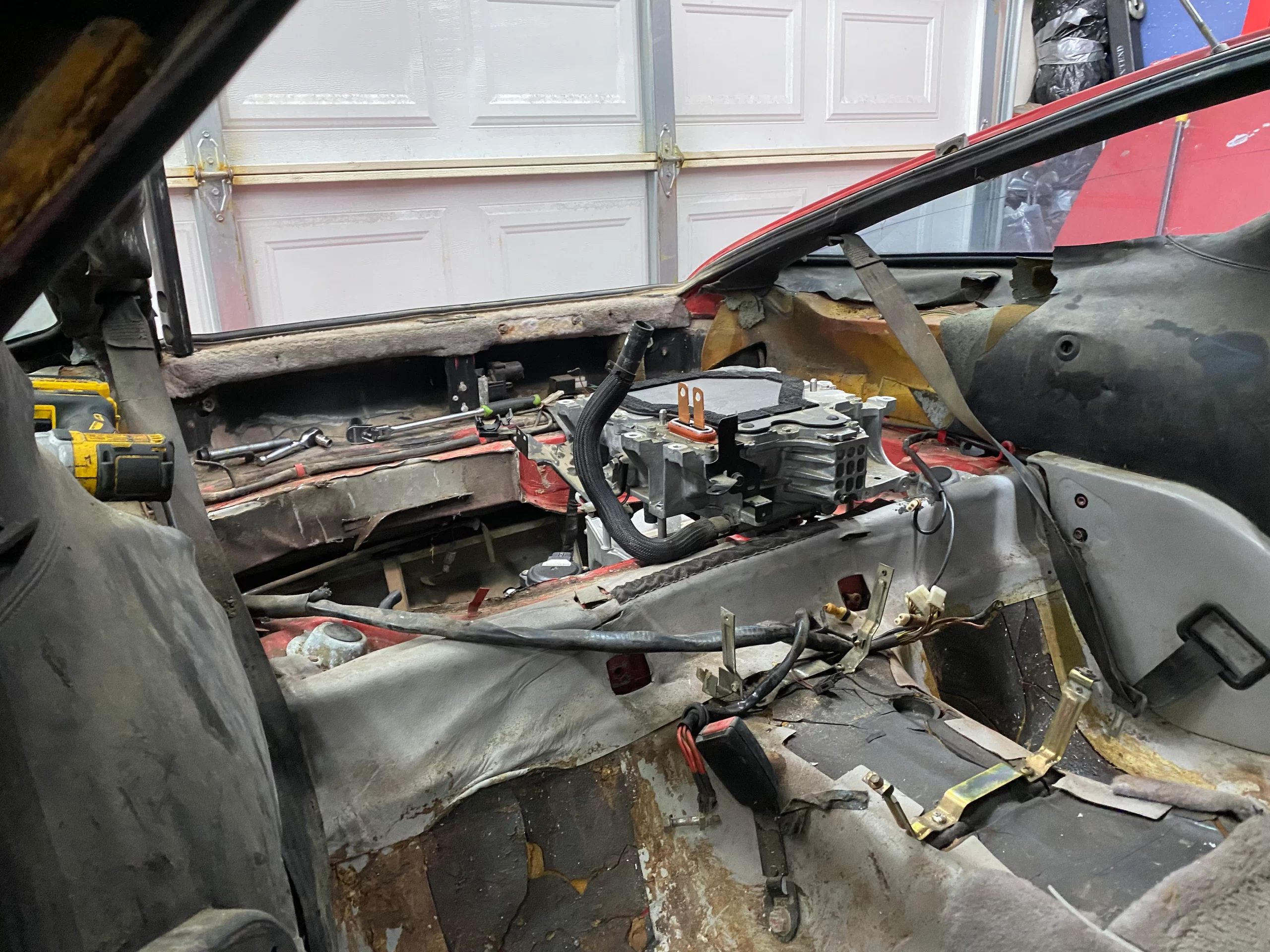
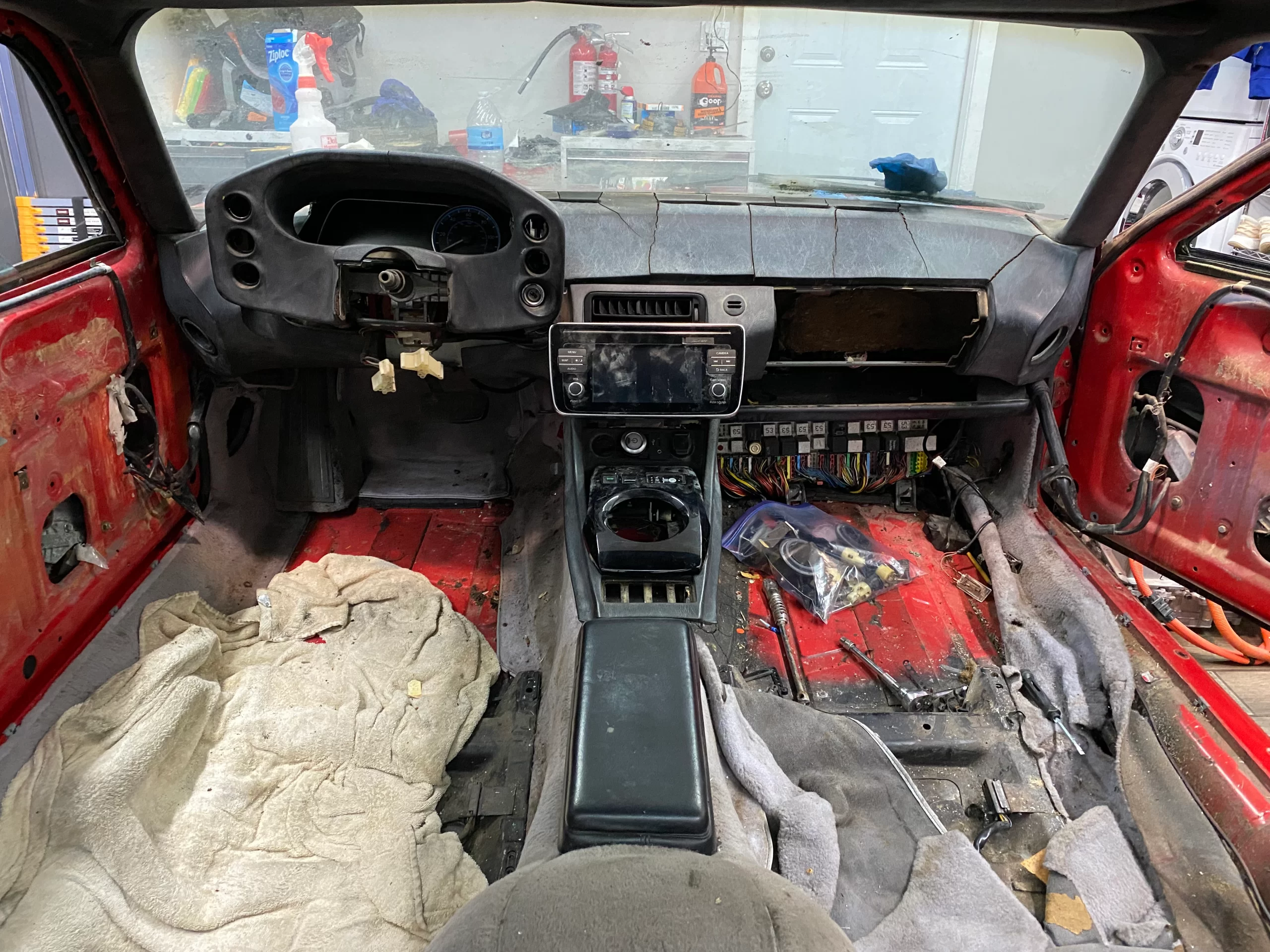
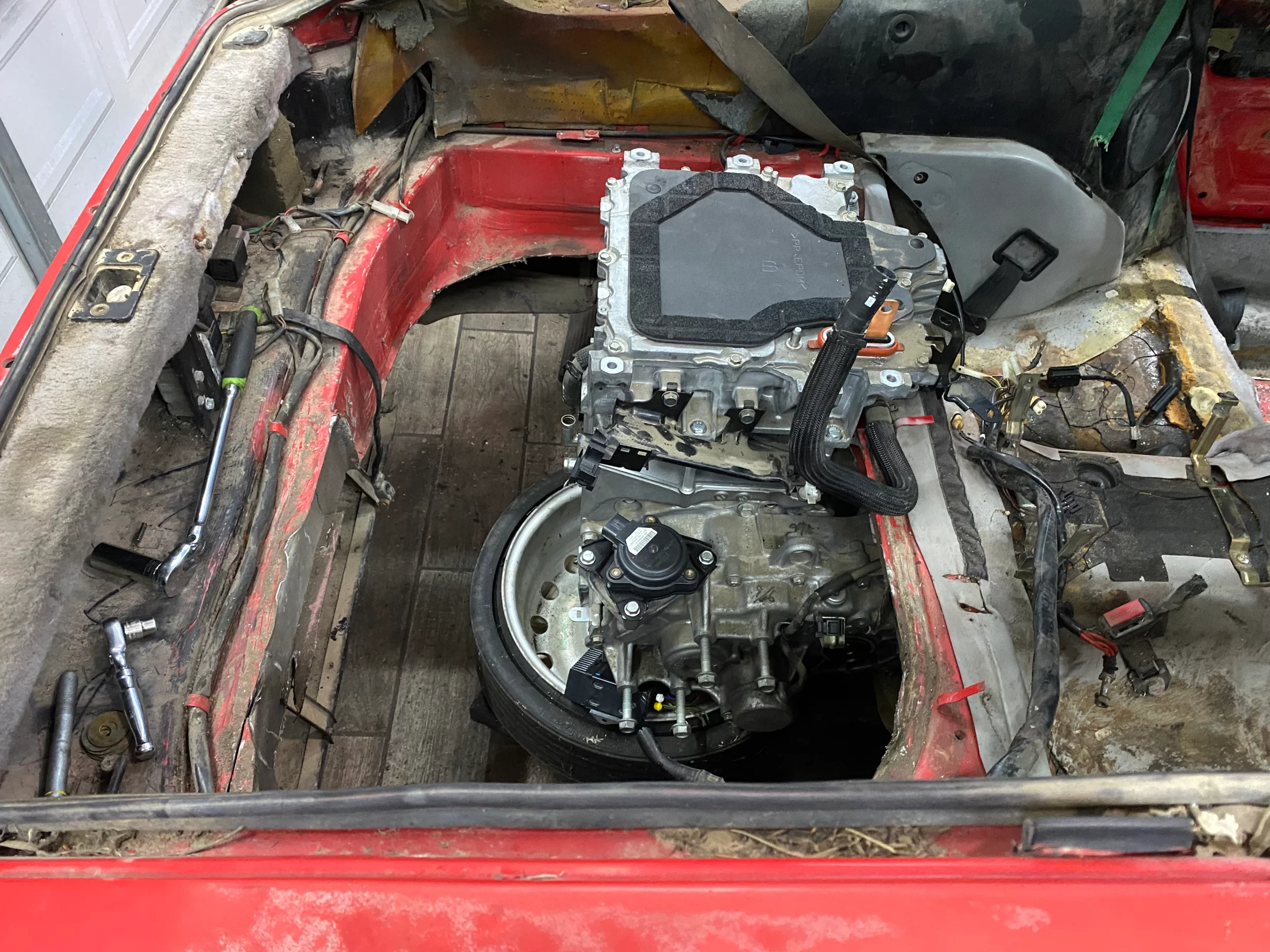
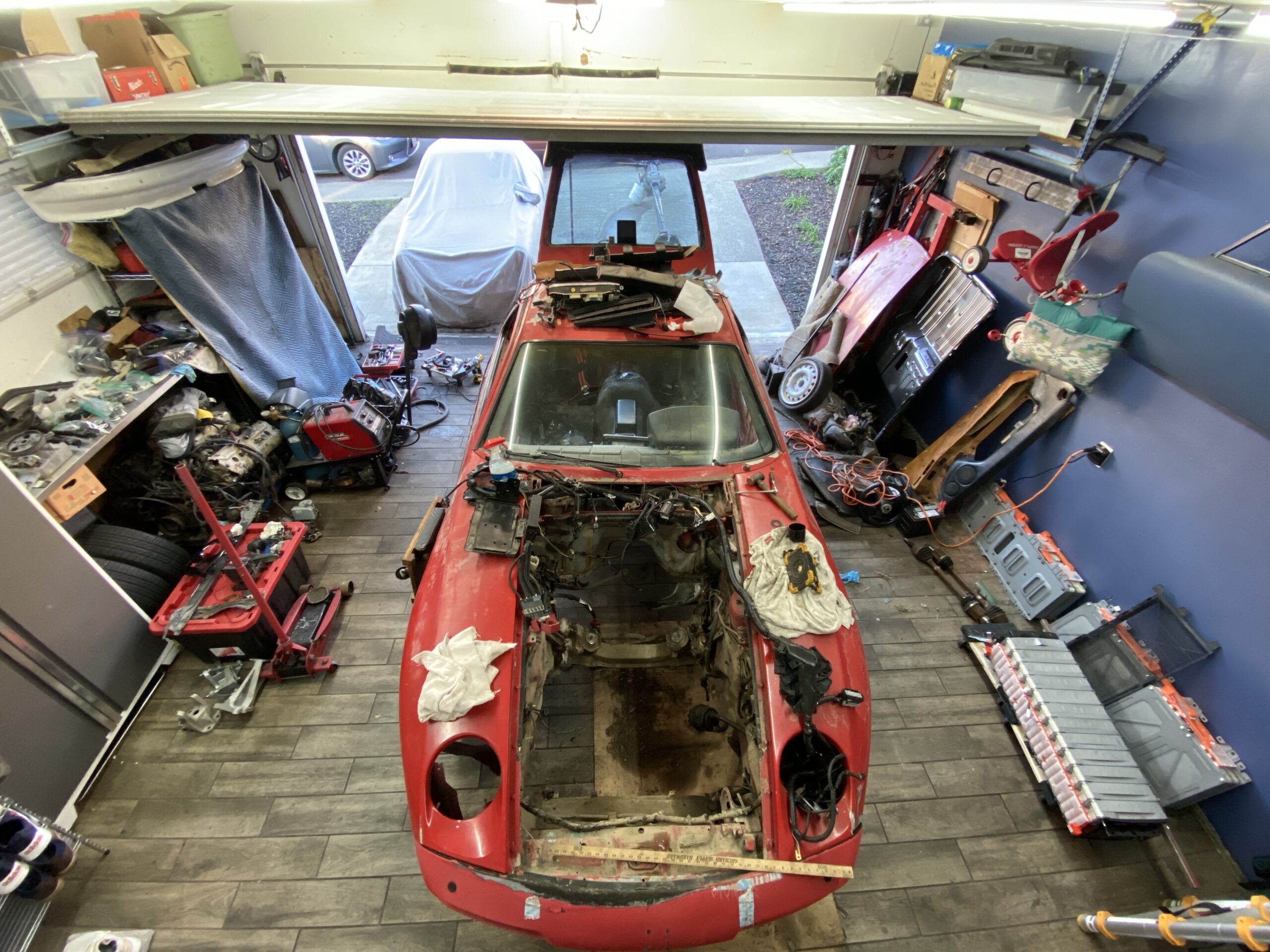
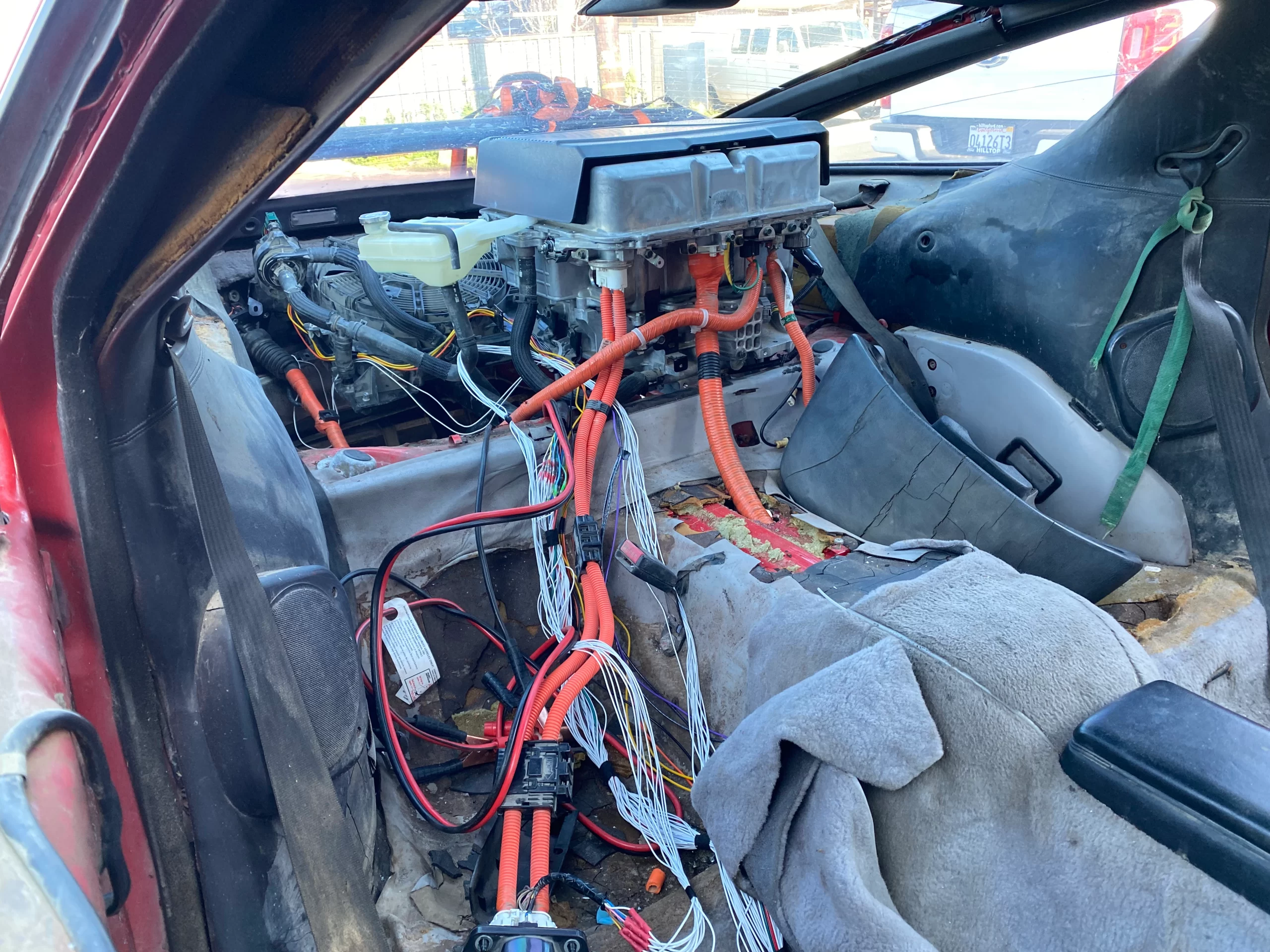
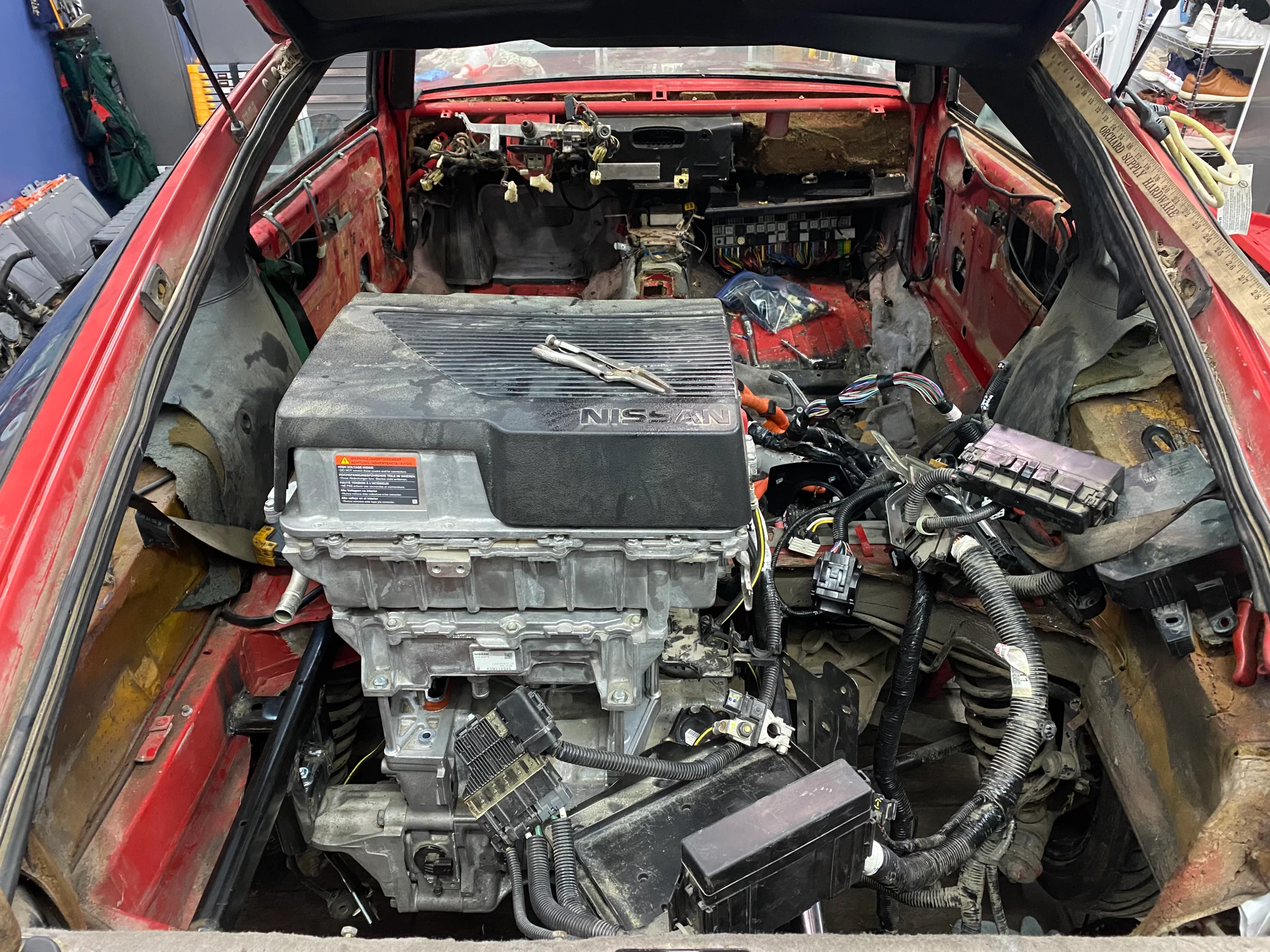
Once back in the garage, it was clear this conversion would require critical decisions regarding component placement and usage, harness lengthening, battery placement; all the considerations a conversion project entails. So I got to work. Out came the ICE drivetrain, rear subframe, gas tank, fuel and transmission lines. Out came the angle grinder and cutting wheels to the rear trunk area. Out came the Tape Measure, Dial Calipers, 3D Scanner, Welder and my eagle eyes.
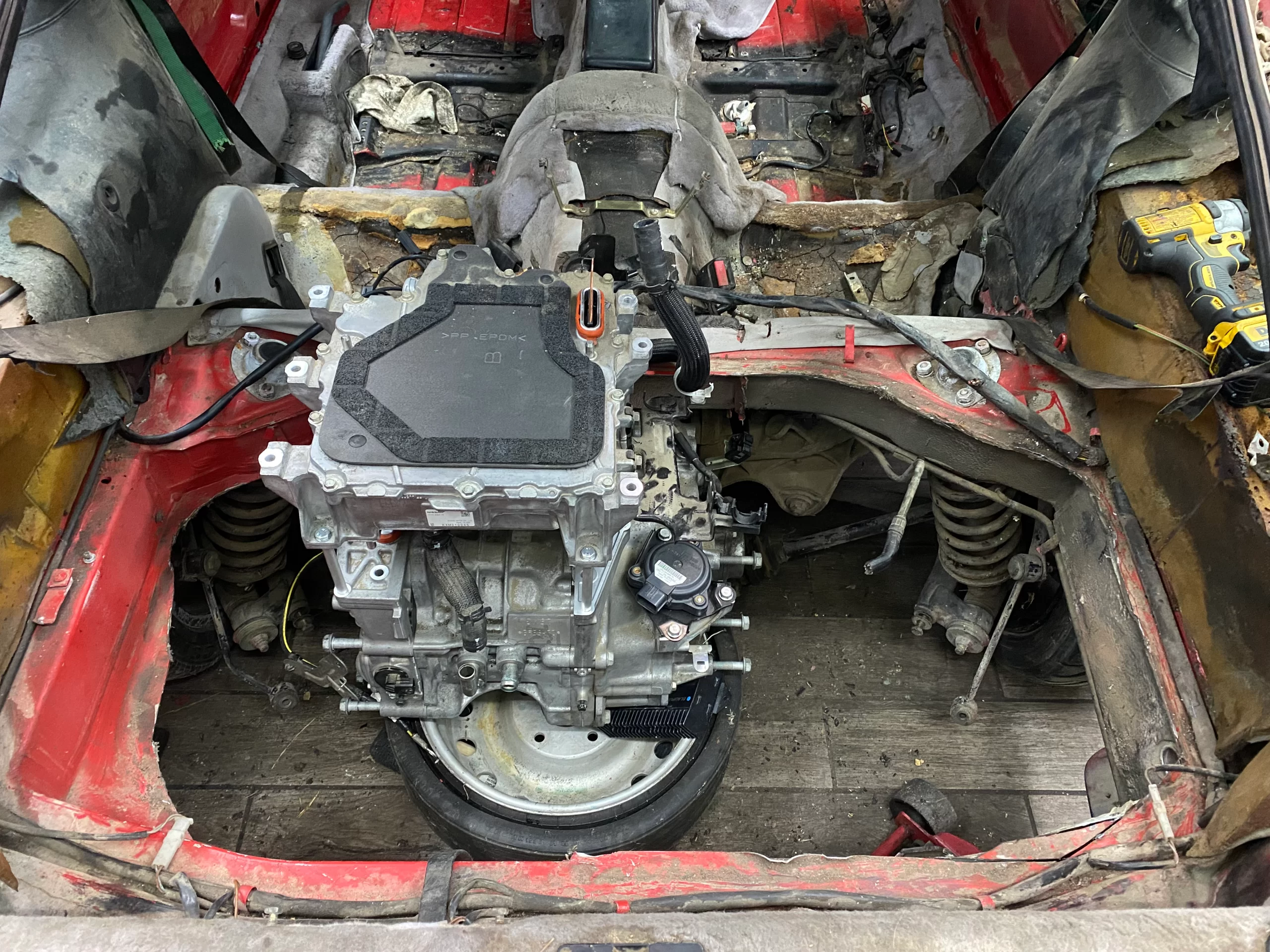
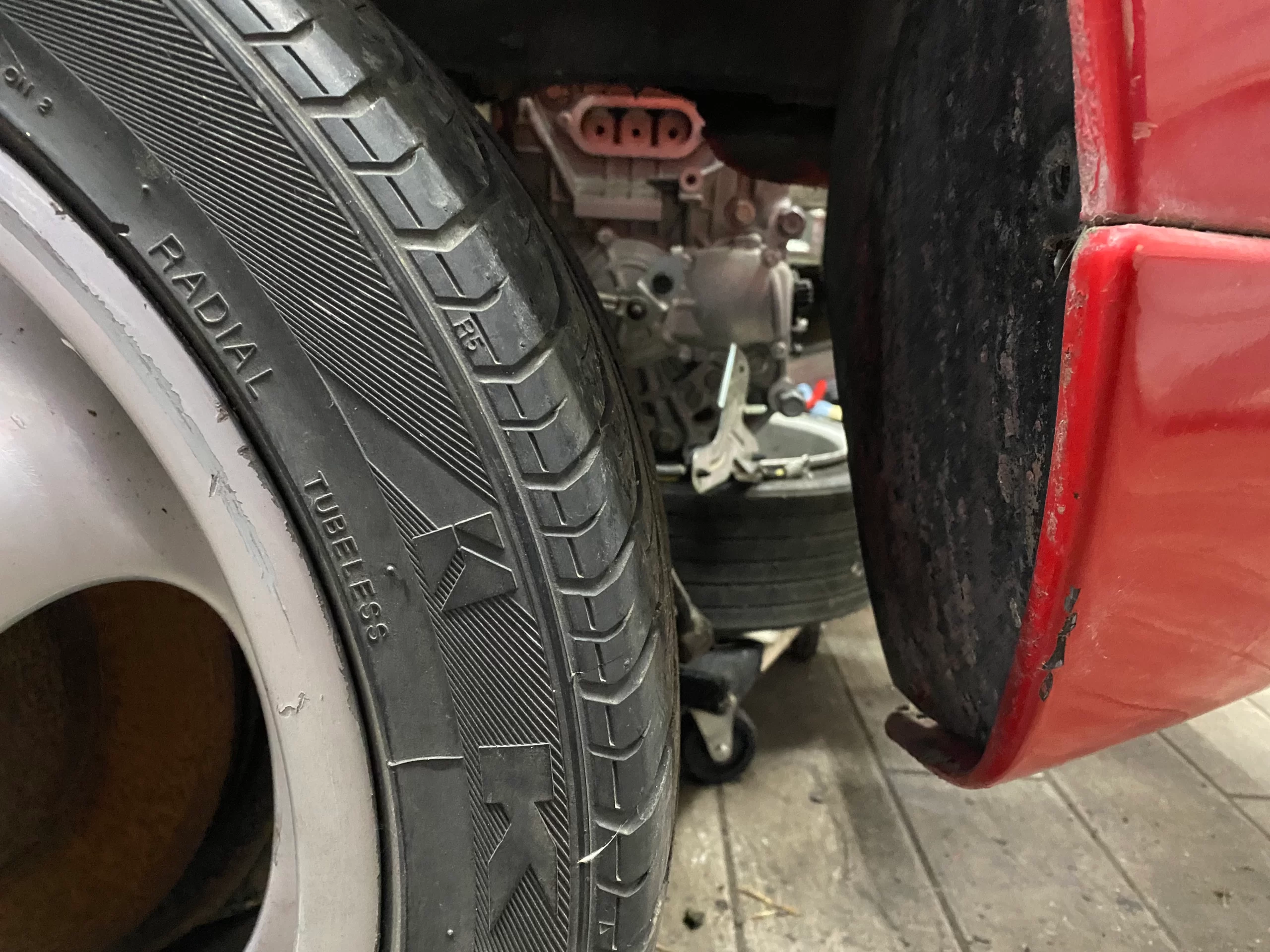
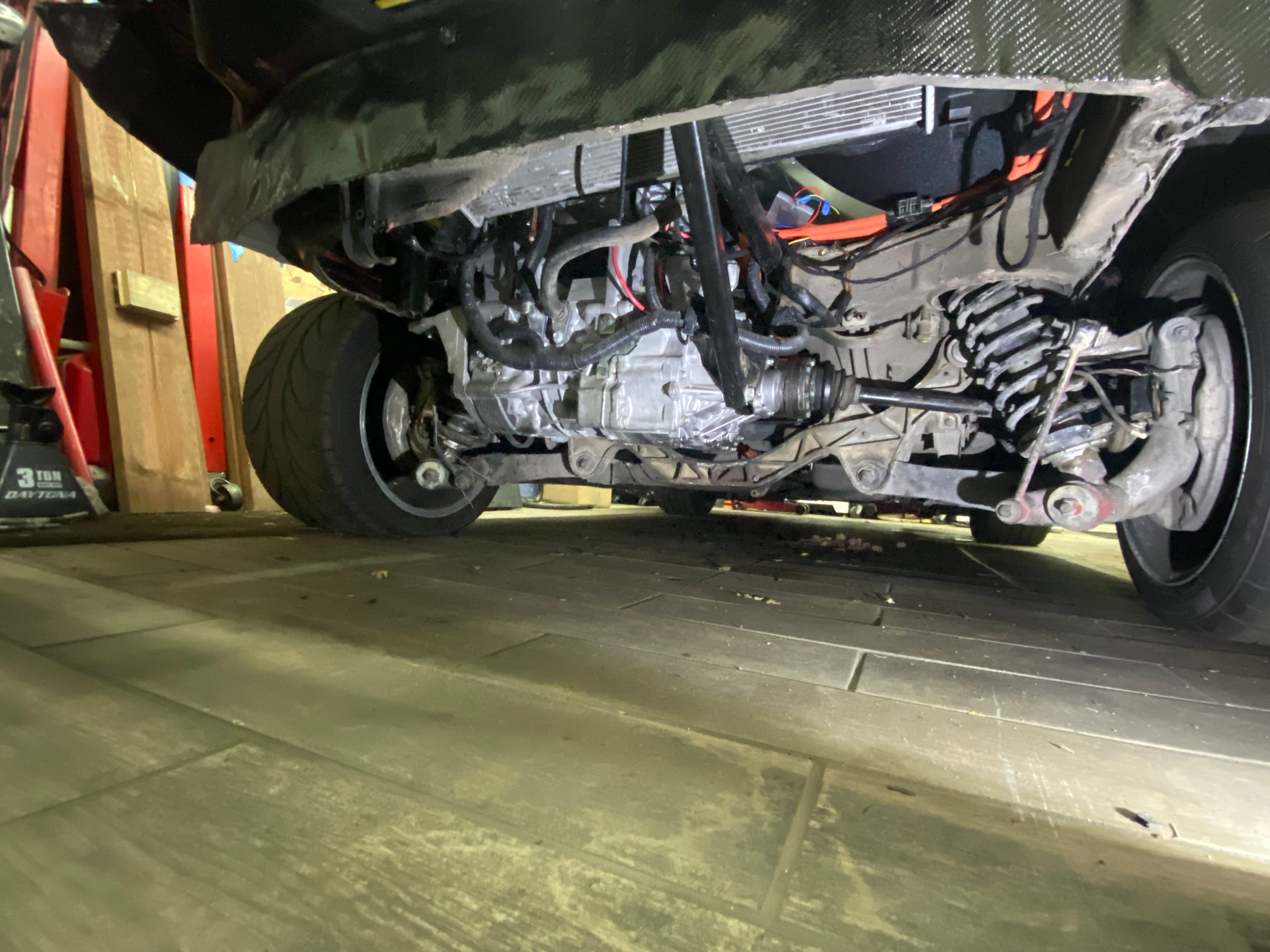
Motor Placement. The conversion would maintain the 928 RWD layout so the motor would be placed in the rear. No problems there. Find the car center line (not as easy as it sounds), measure the approximate angles of the driveshafts (making sure they maintain good angles throughout suspension travel and don’t foul any suspension components), brace the motor and build a structure/brackets that allow the motor to be easily installed. Right.
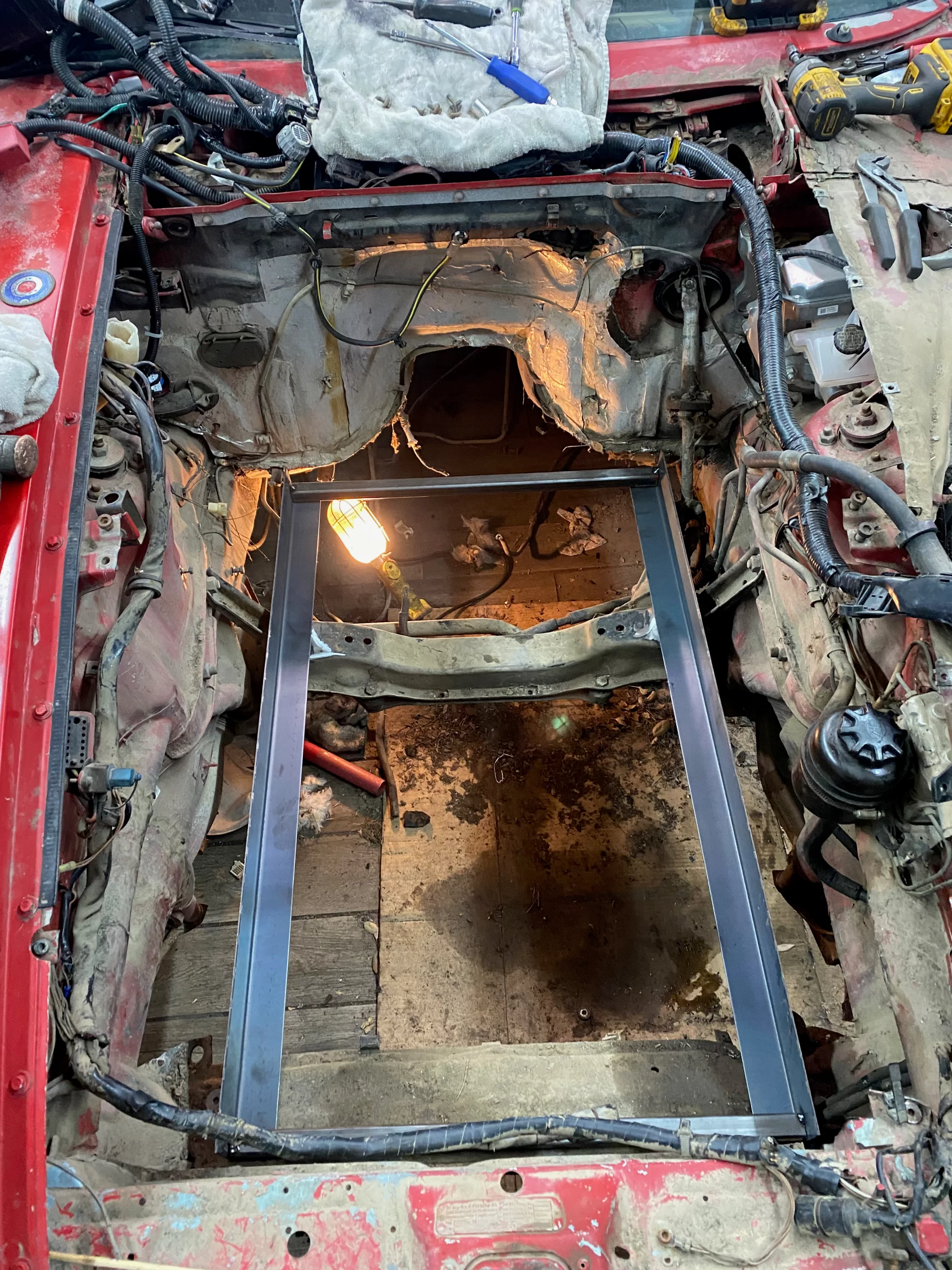
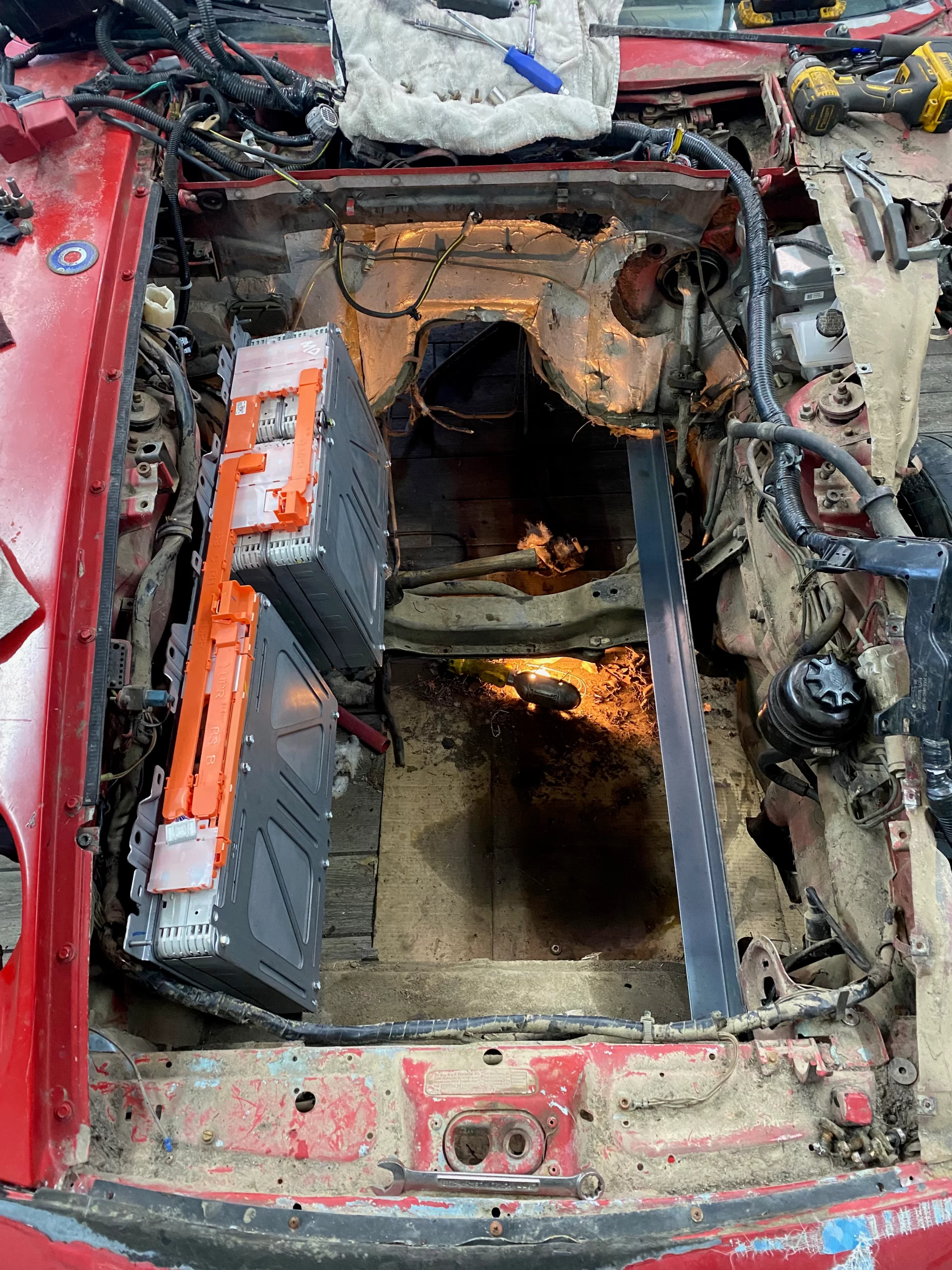
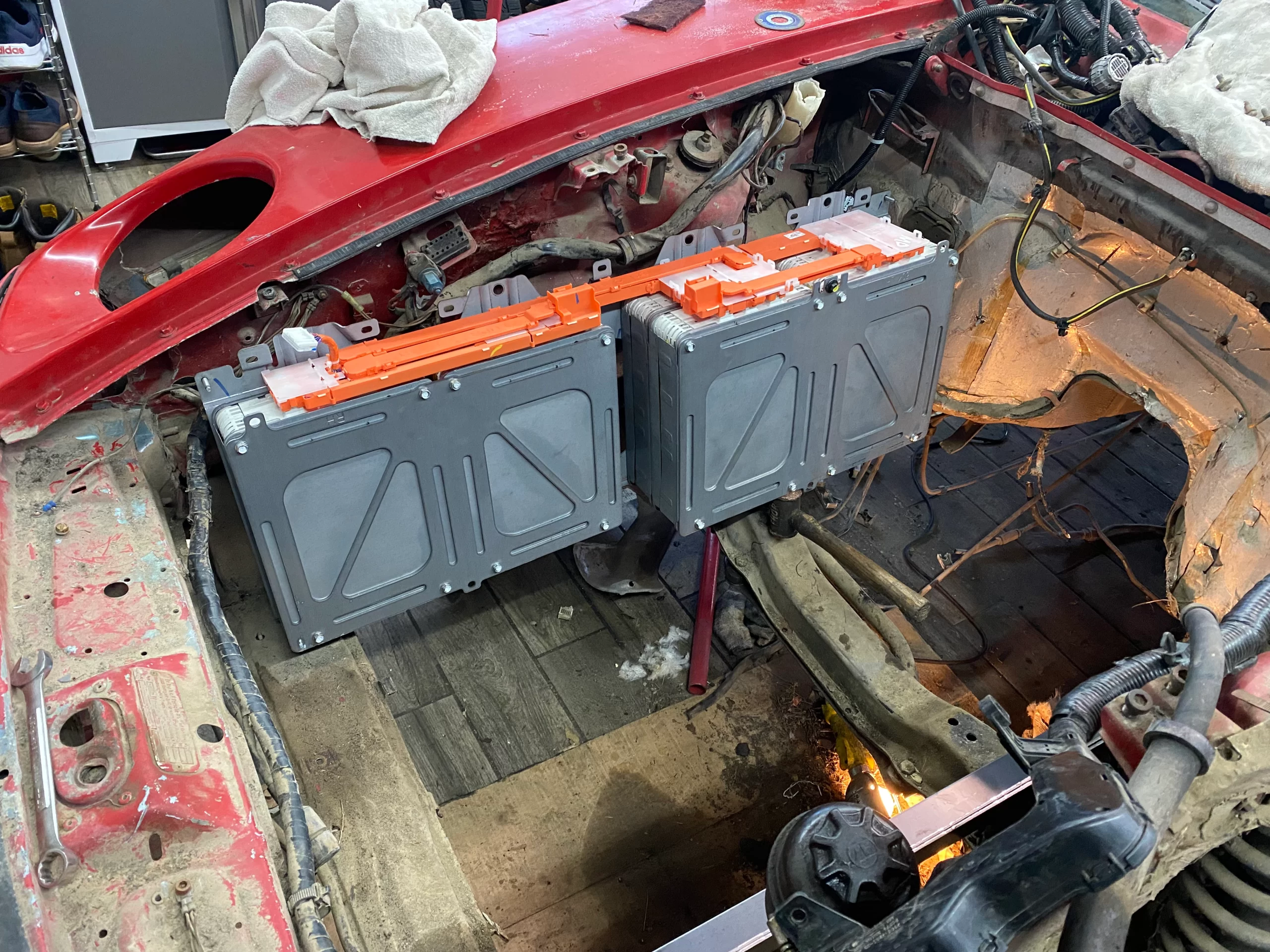
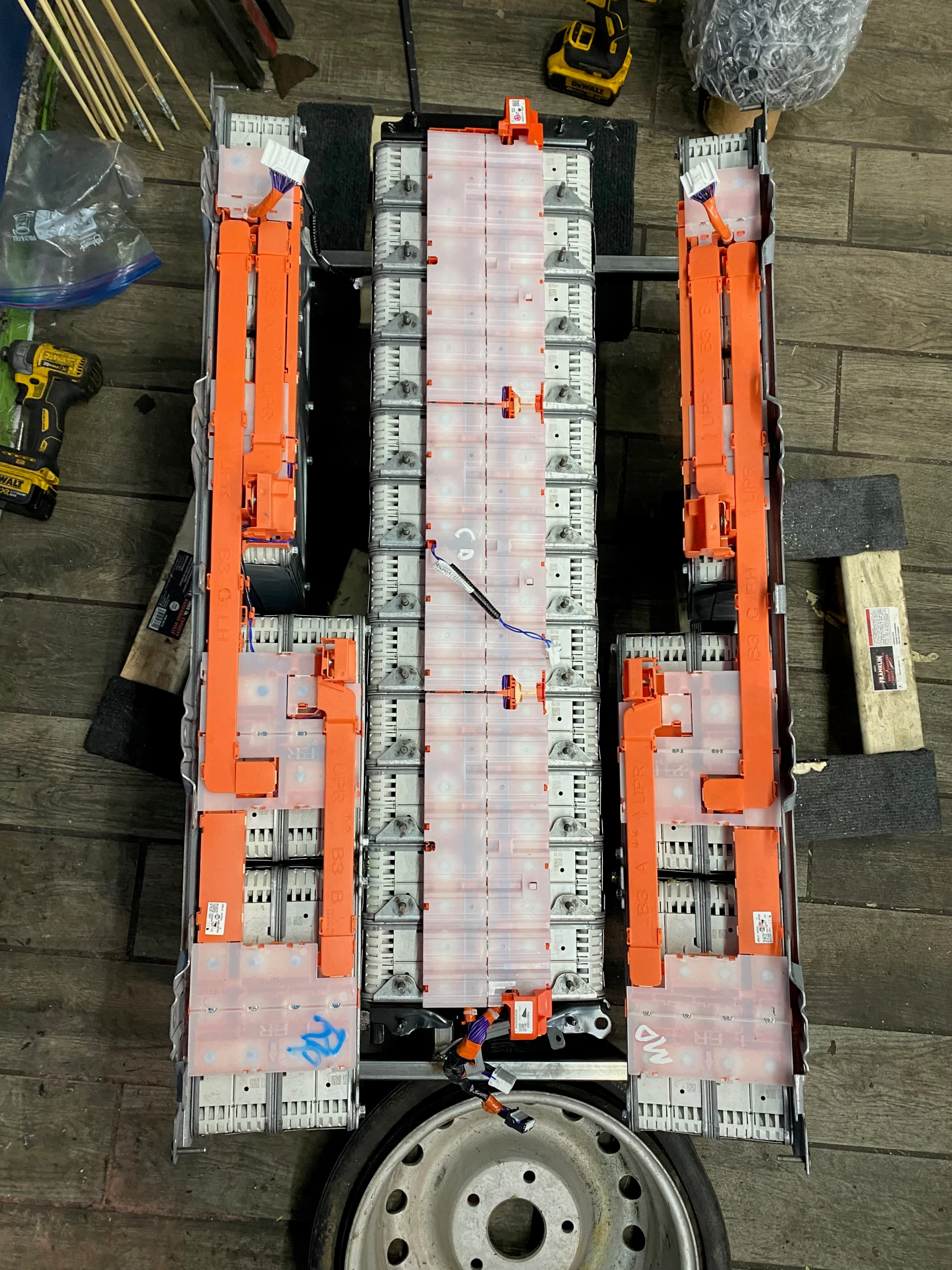
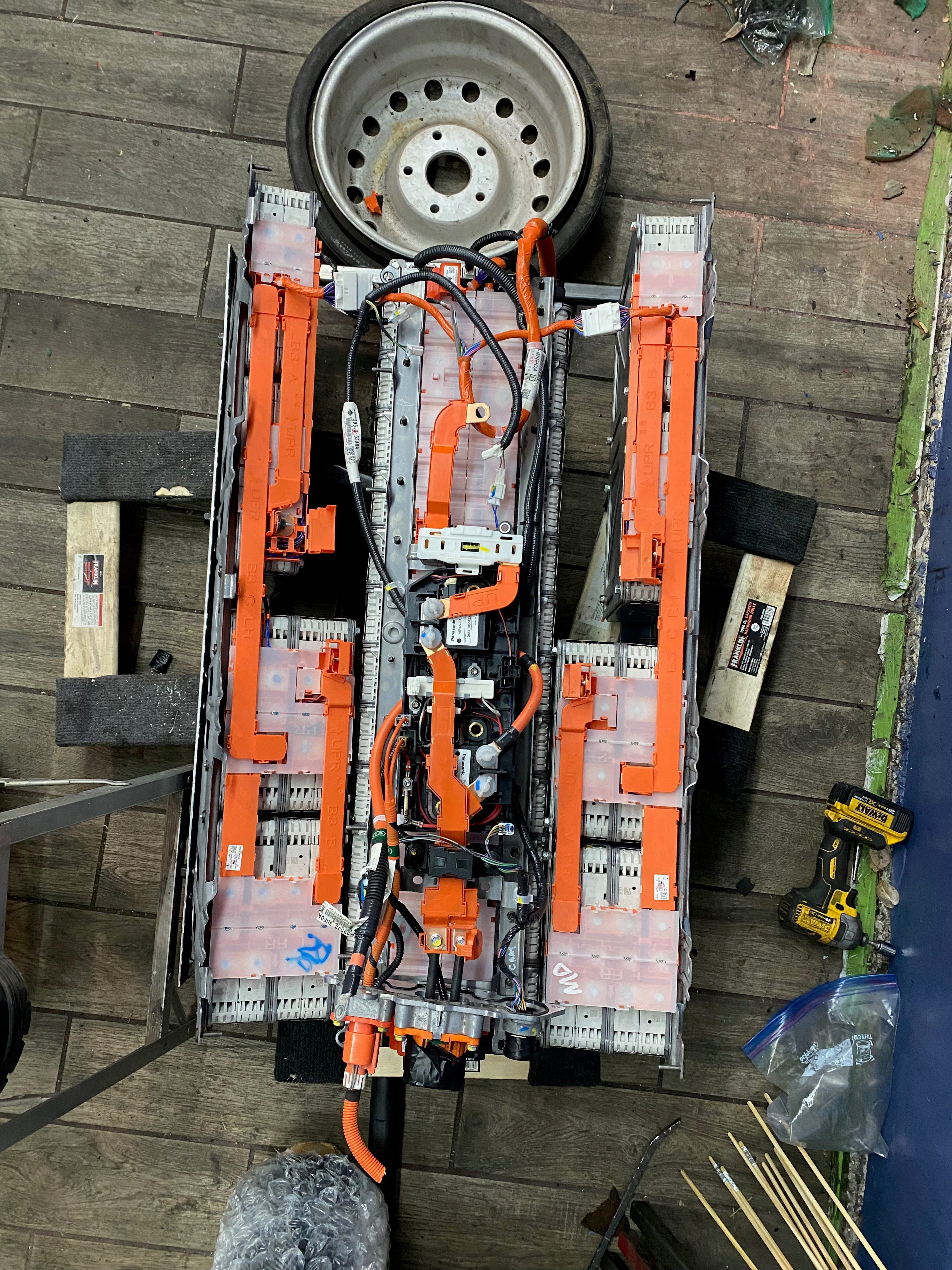
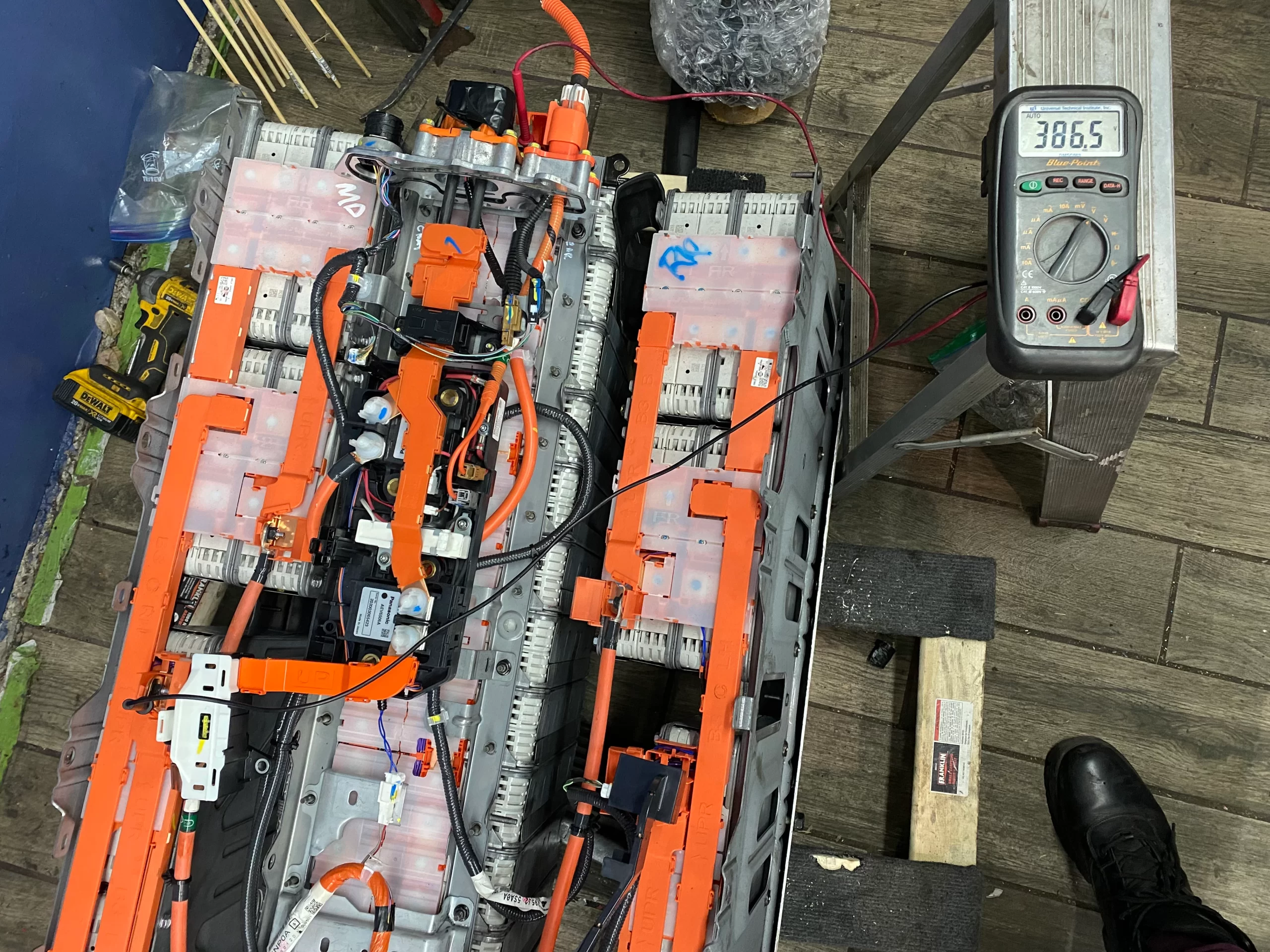
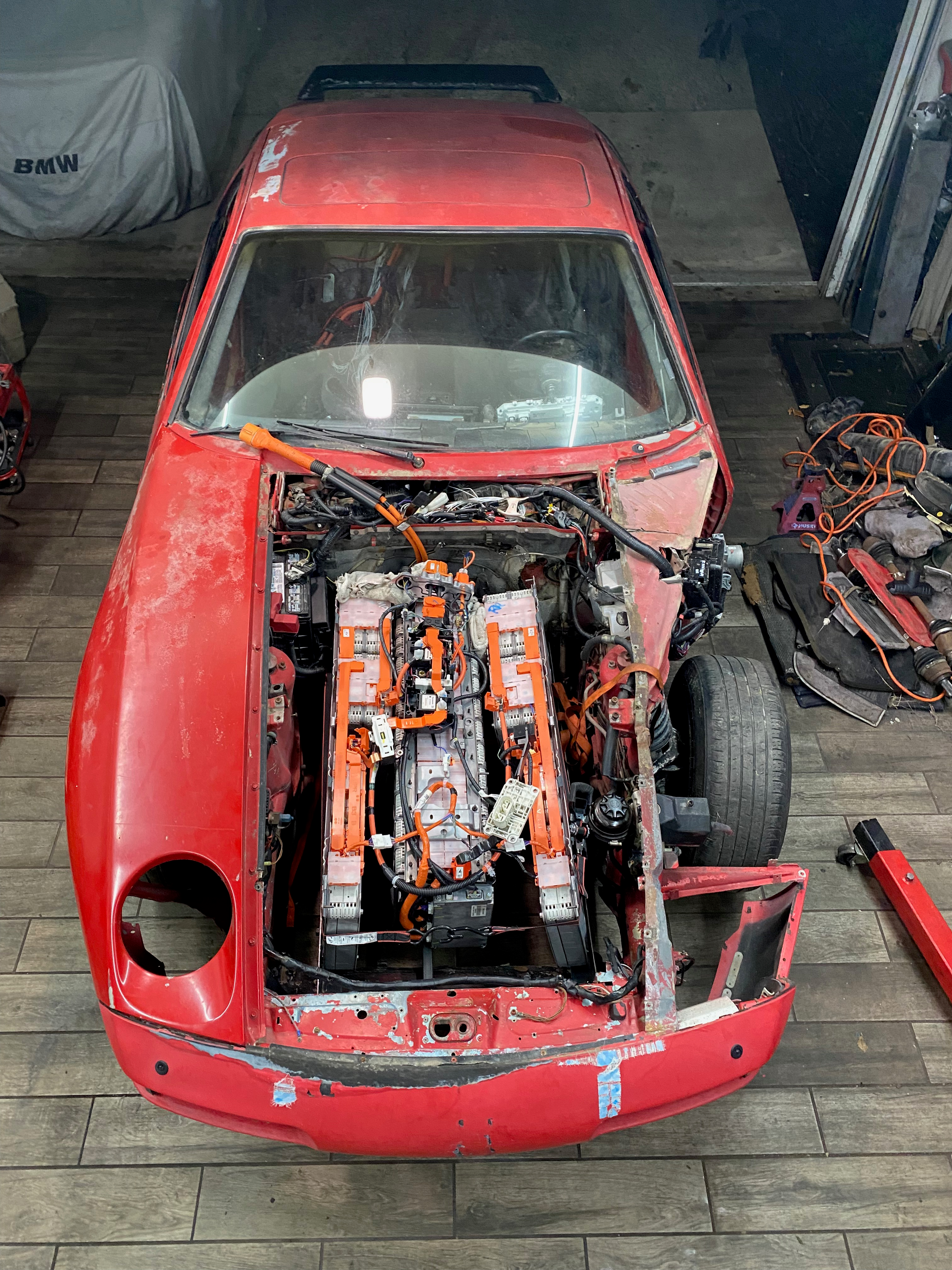
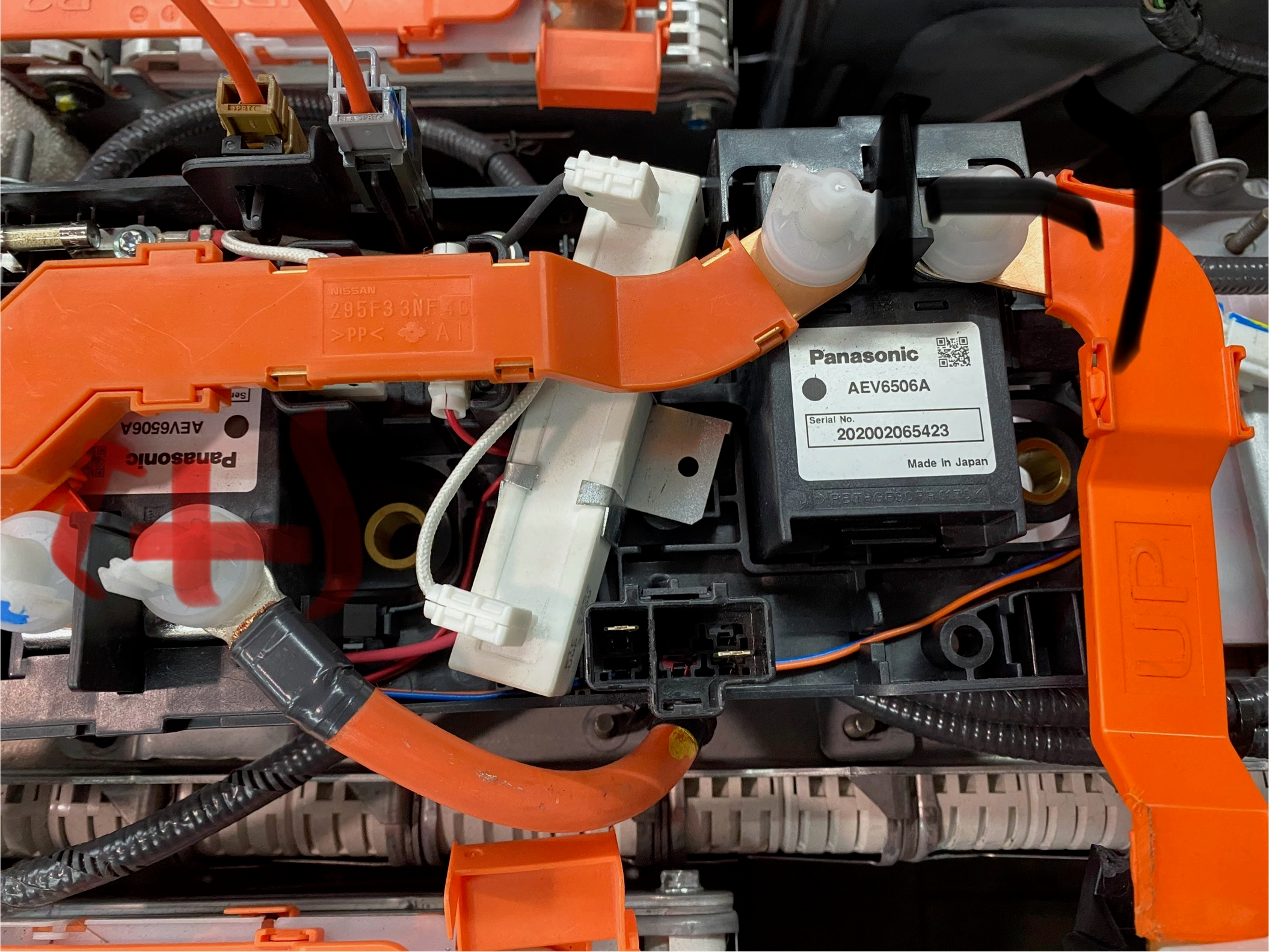
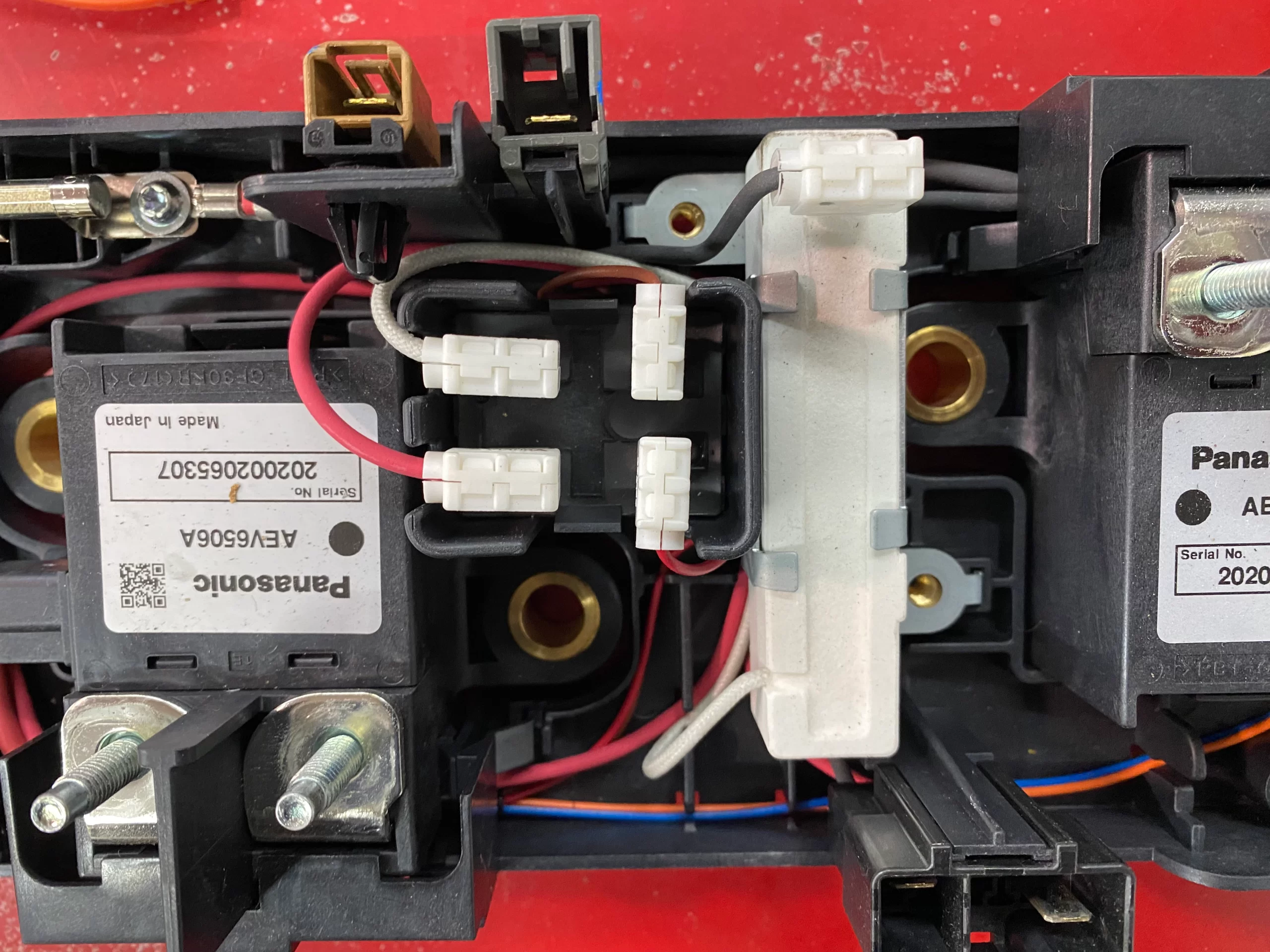
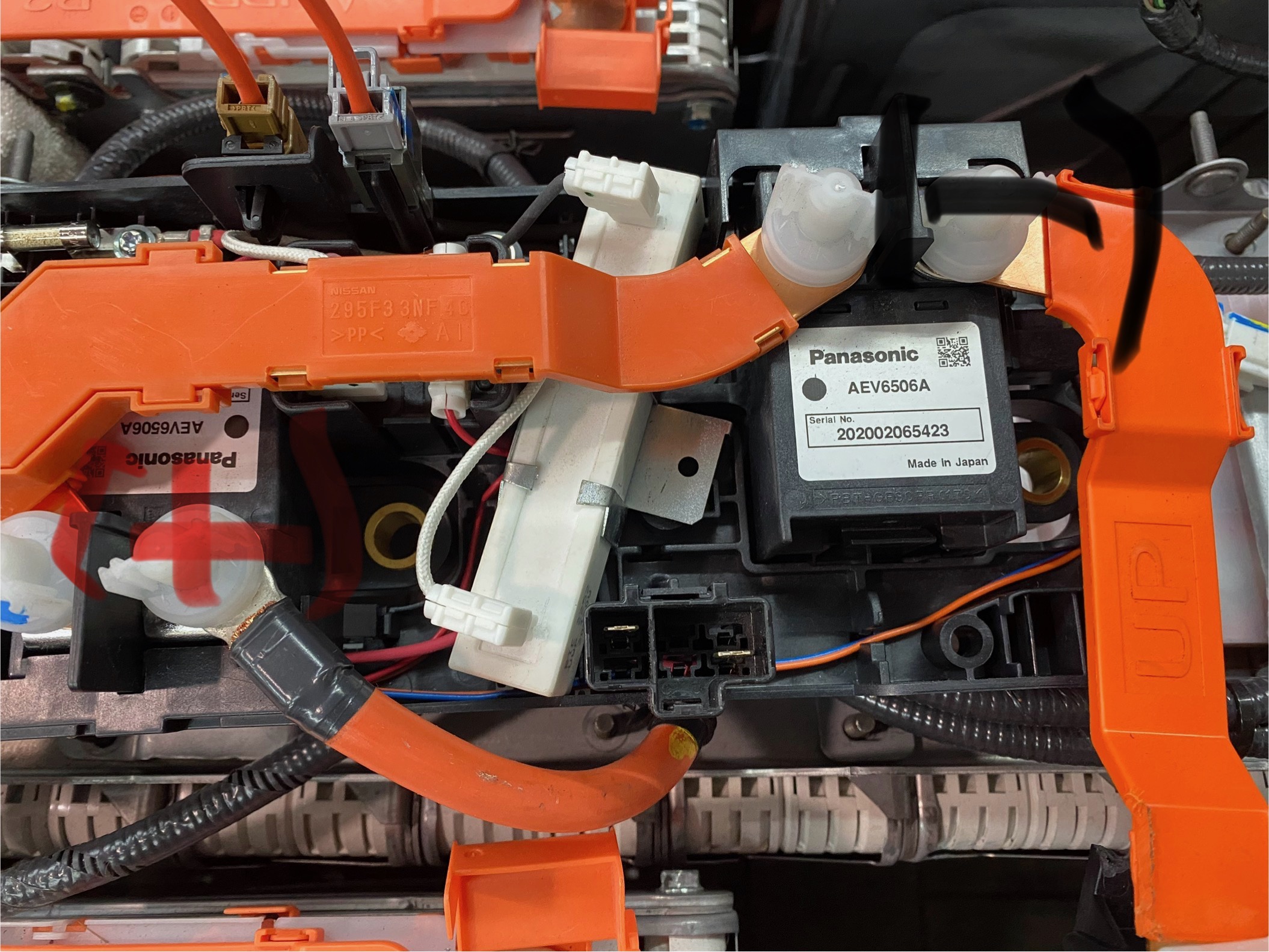
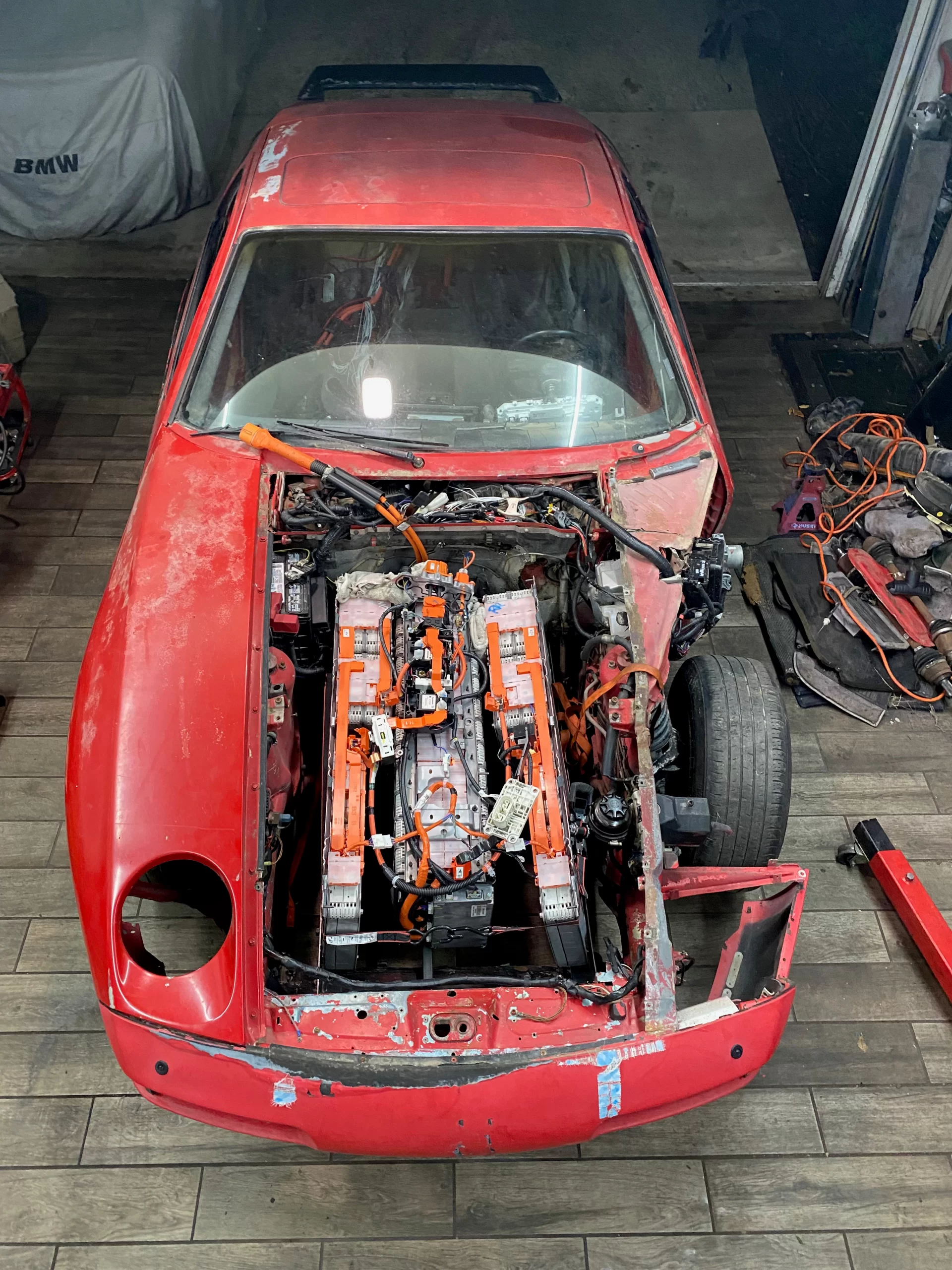
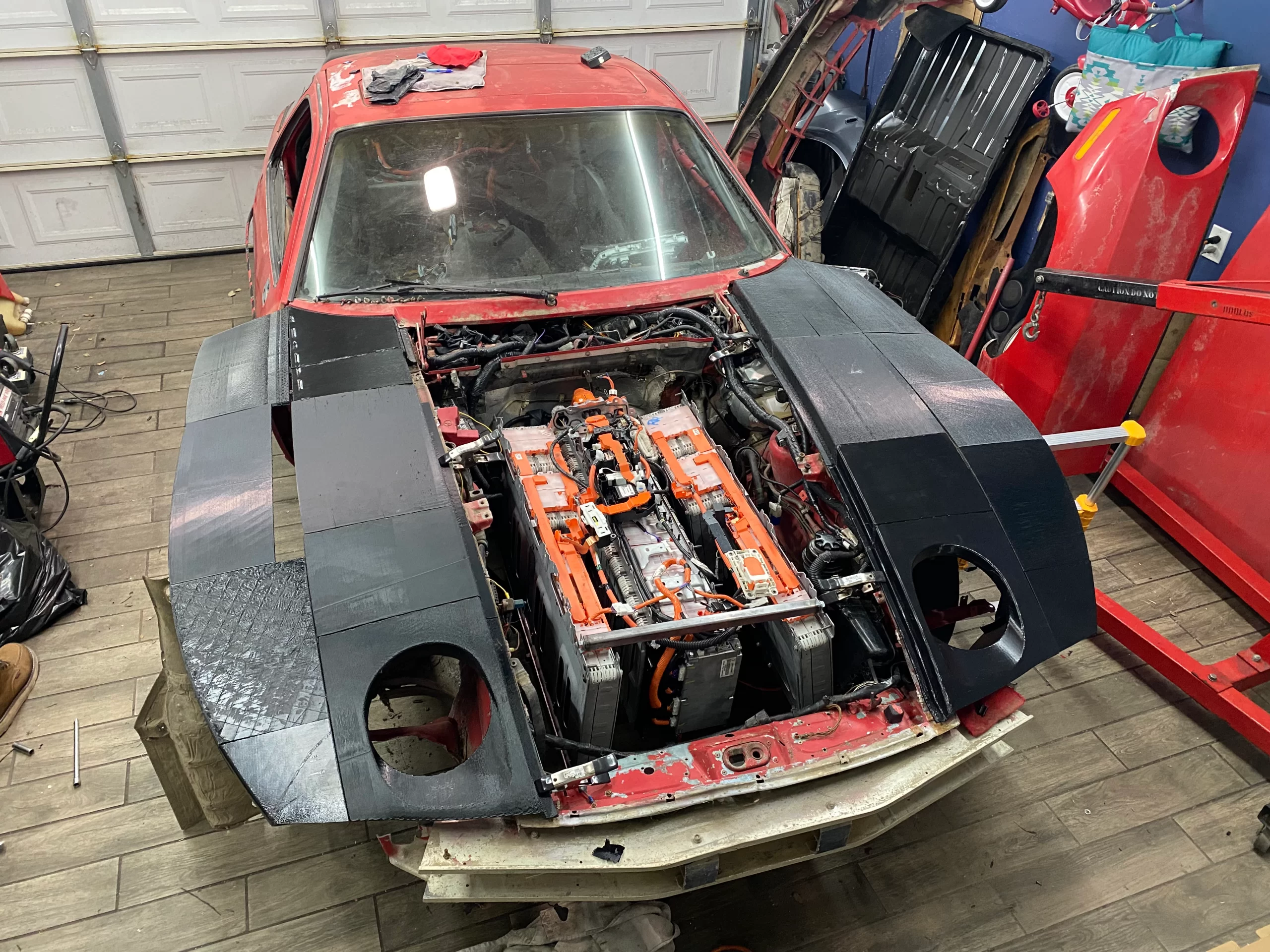
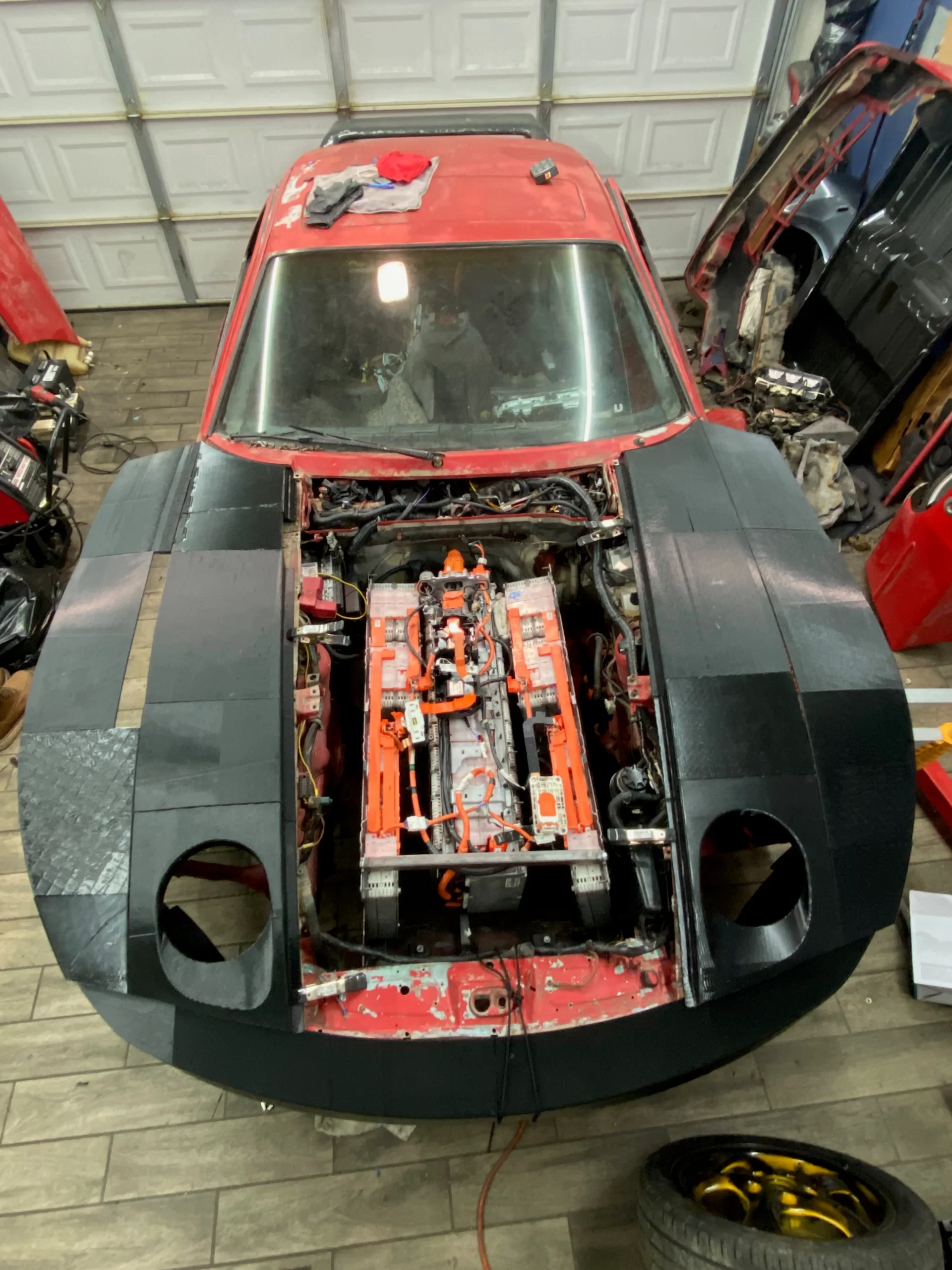
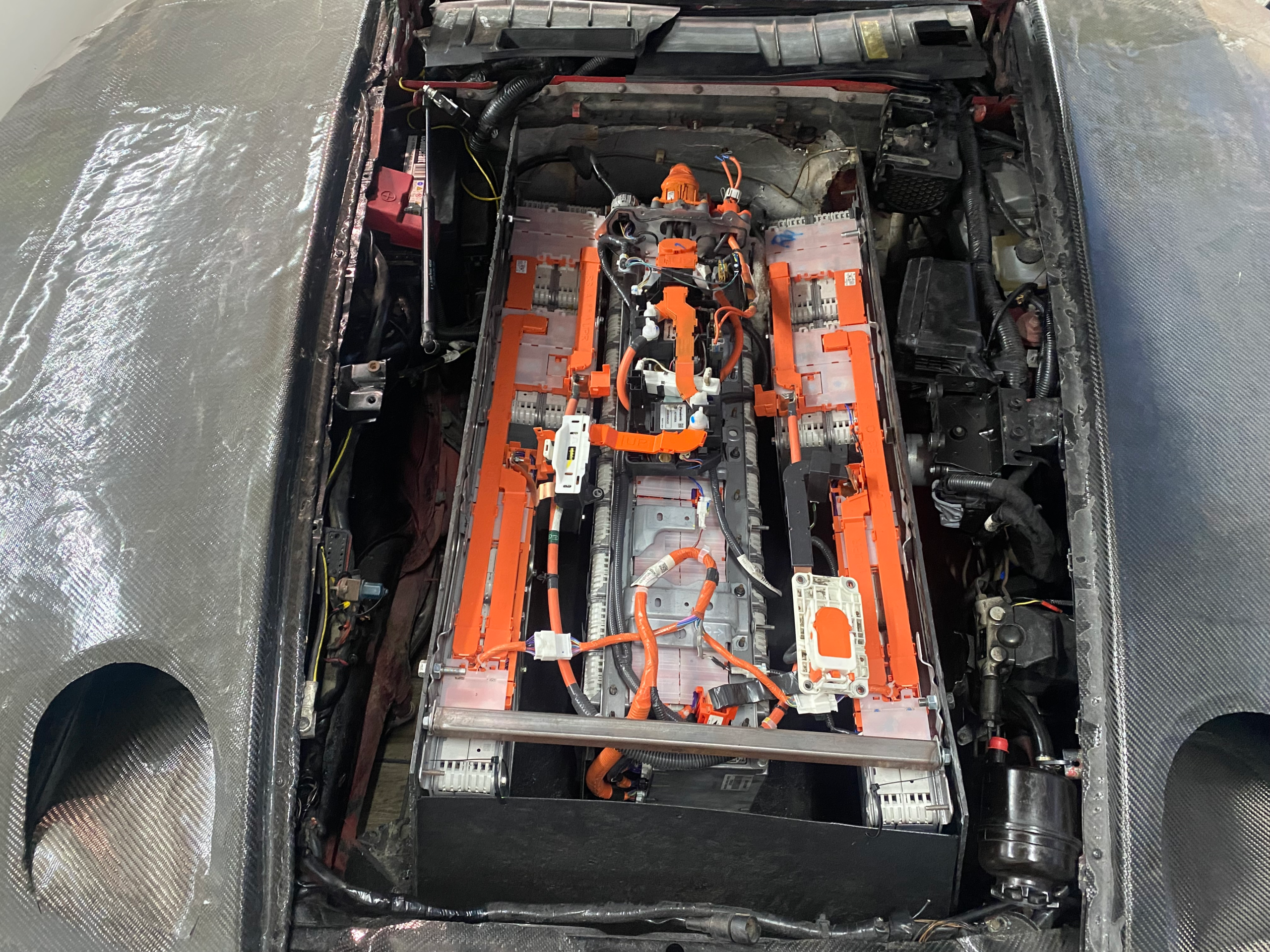
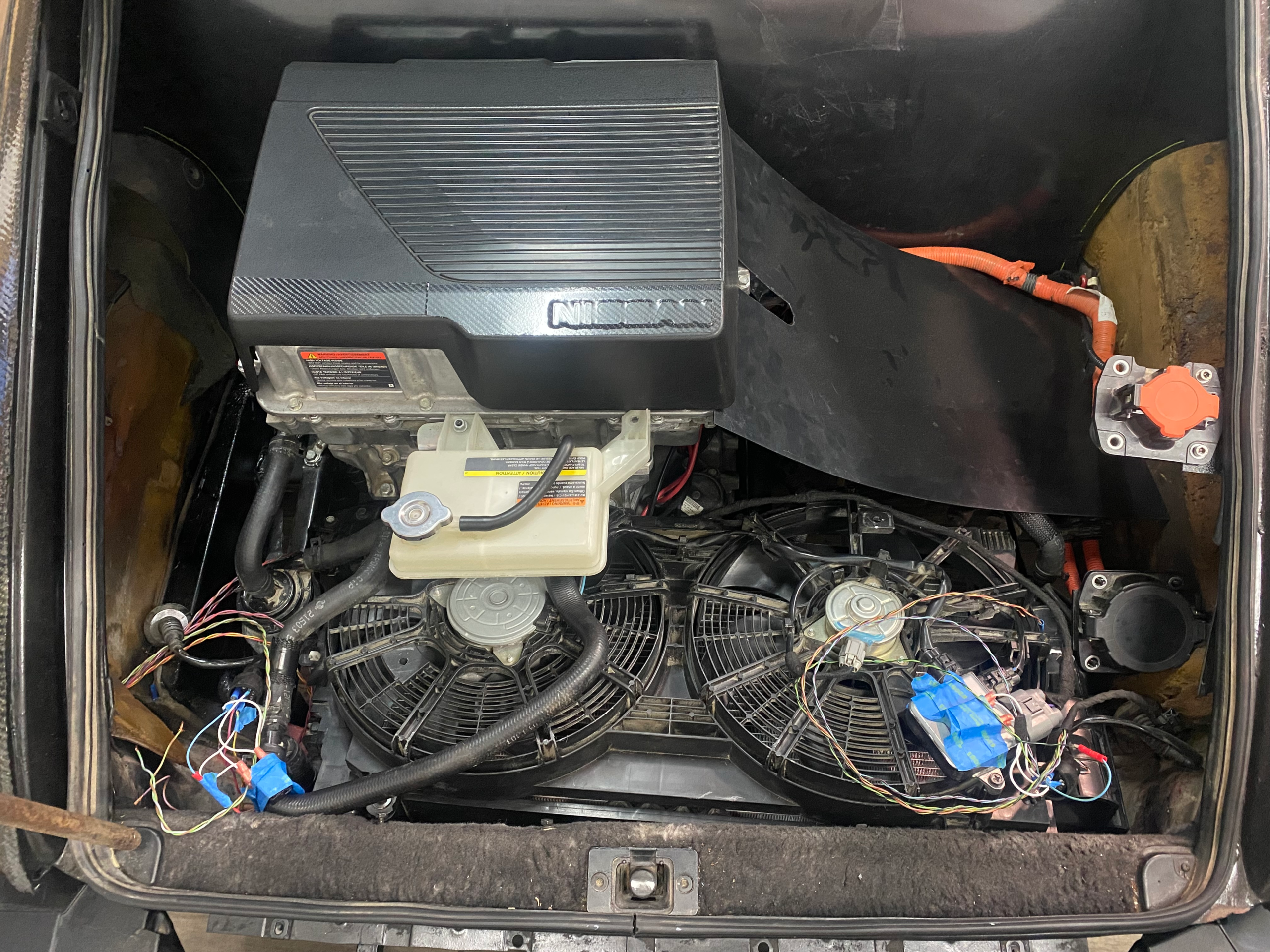
HV Battery Placement. Could the long V8 engine bay of the 928 house all 40kw high voltage batteries safely? Measurements of the disassembled battery modules and structure said yes. A few drawings later, the structure was built; taking inspiration from dinner the night before. When an original flat Leaf Battery (taco) is rolled, it becomes compact (like a baby burrito). The HV contactors, temperature sensors, current sensors and harnesses (Rice, Guacamole, Sour Cream, cheese) were all reformed into a compact cube of ABS Plastic (Foil).
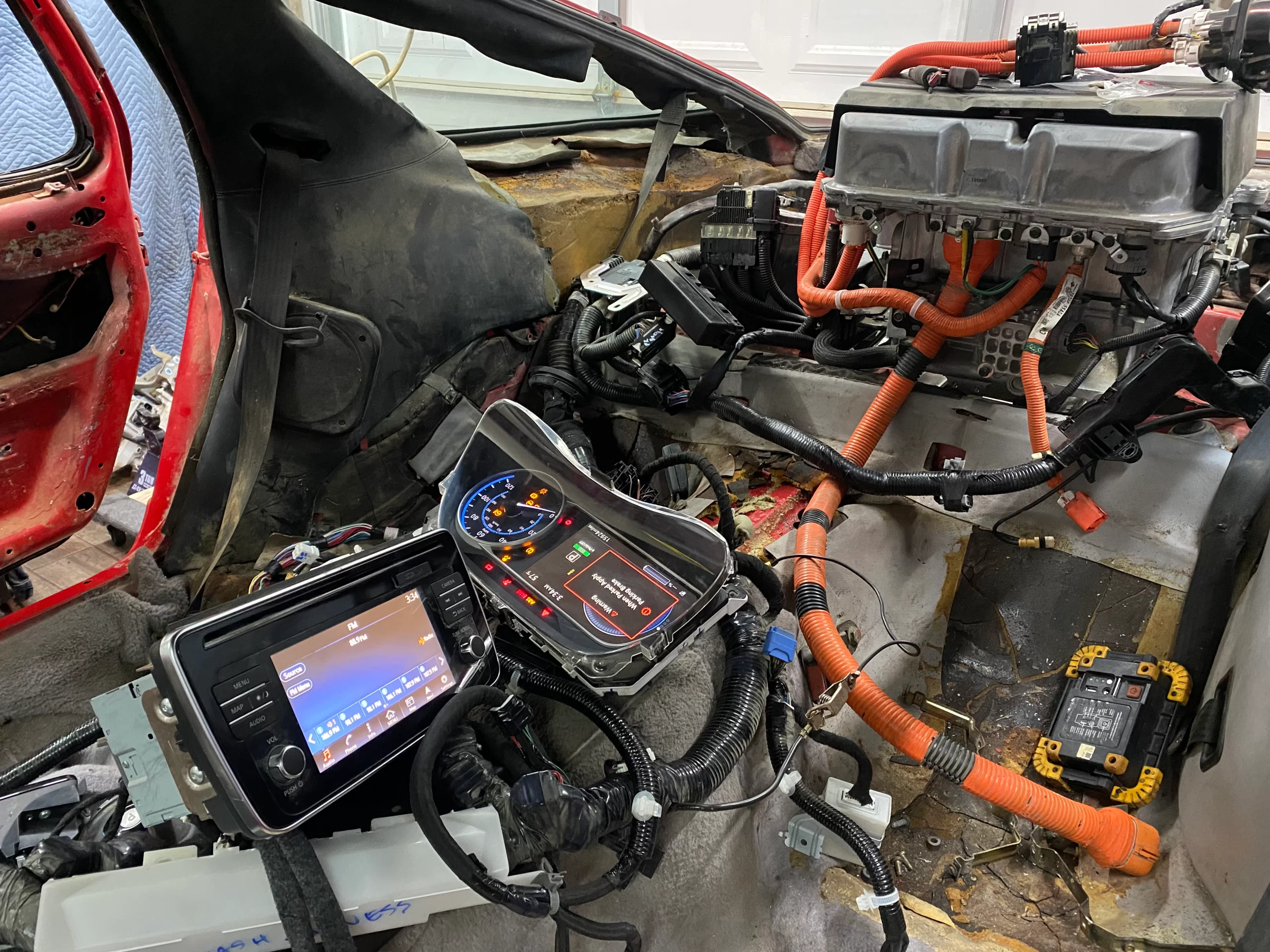
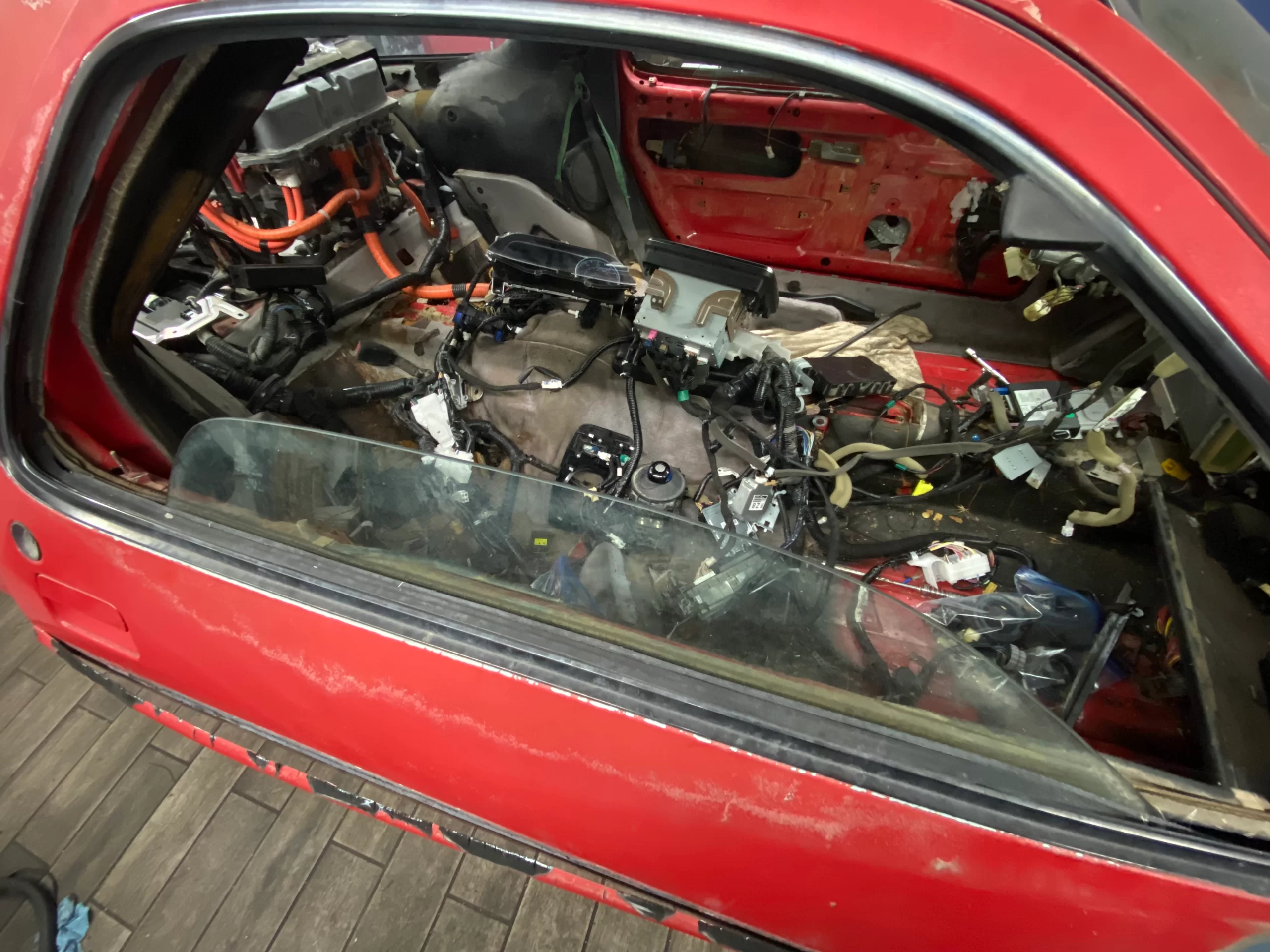
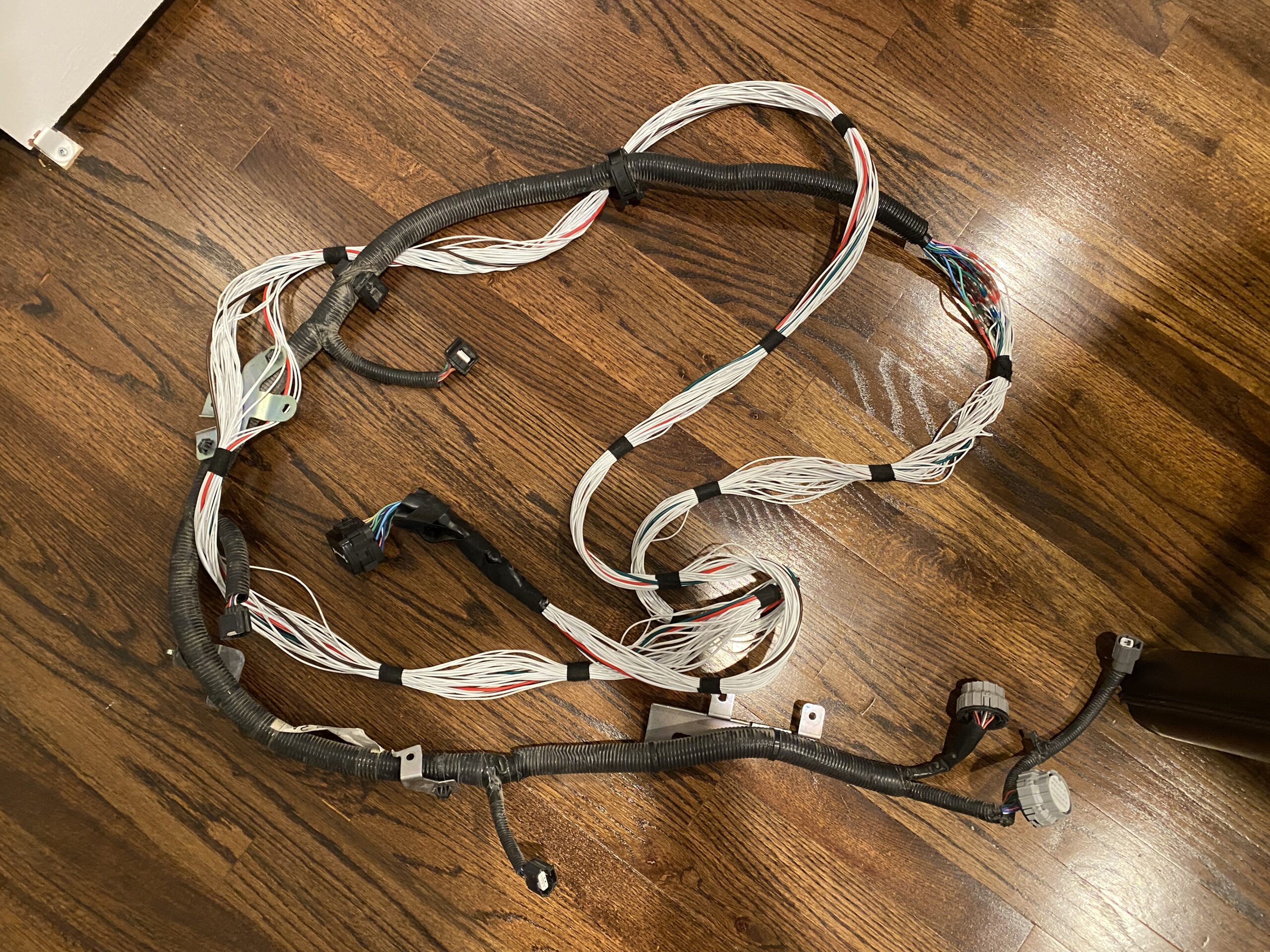
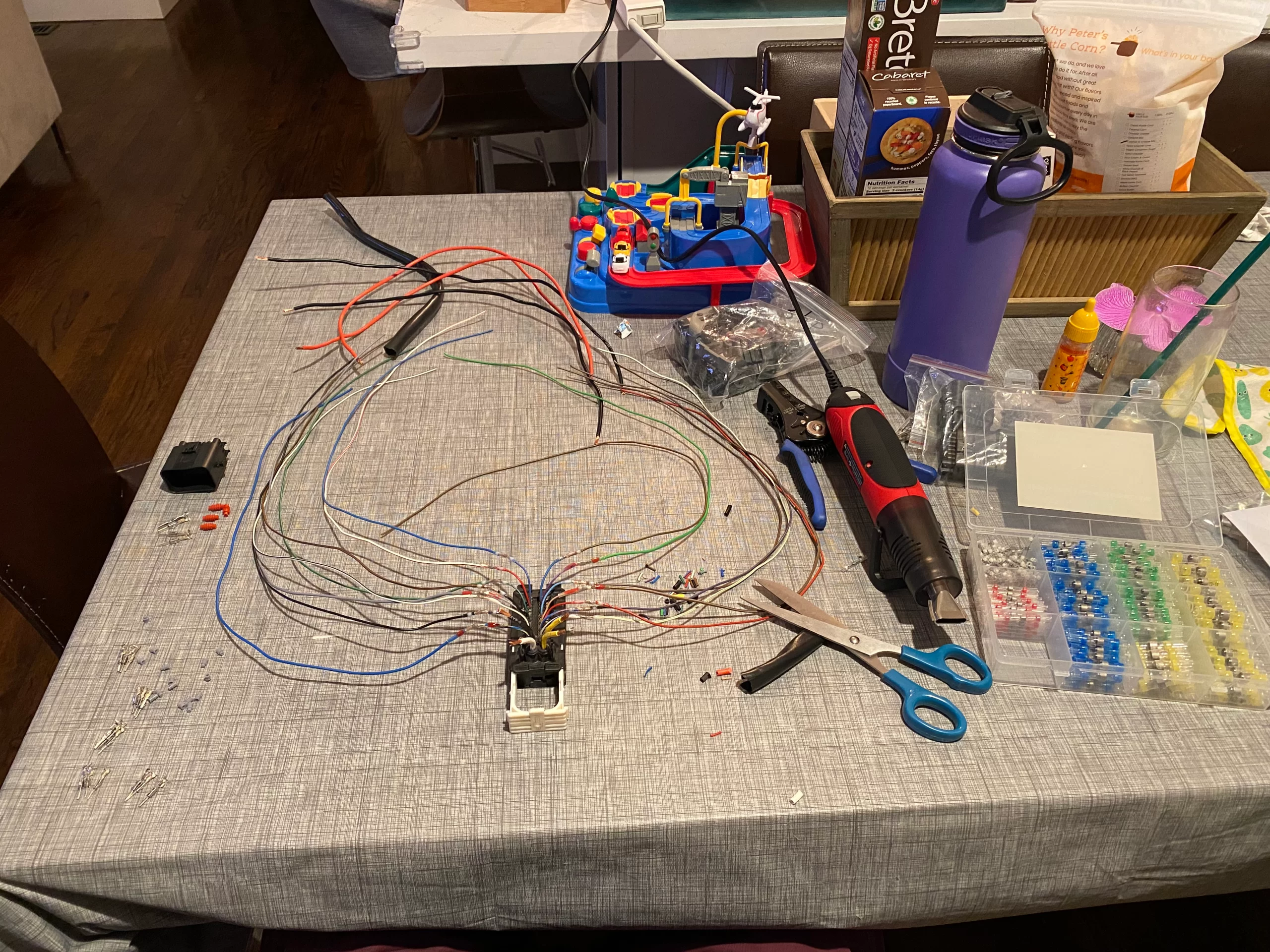
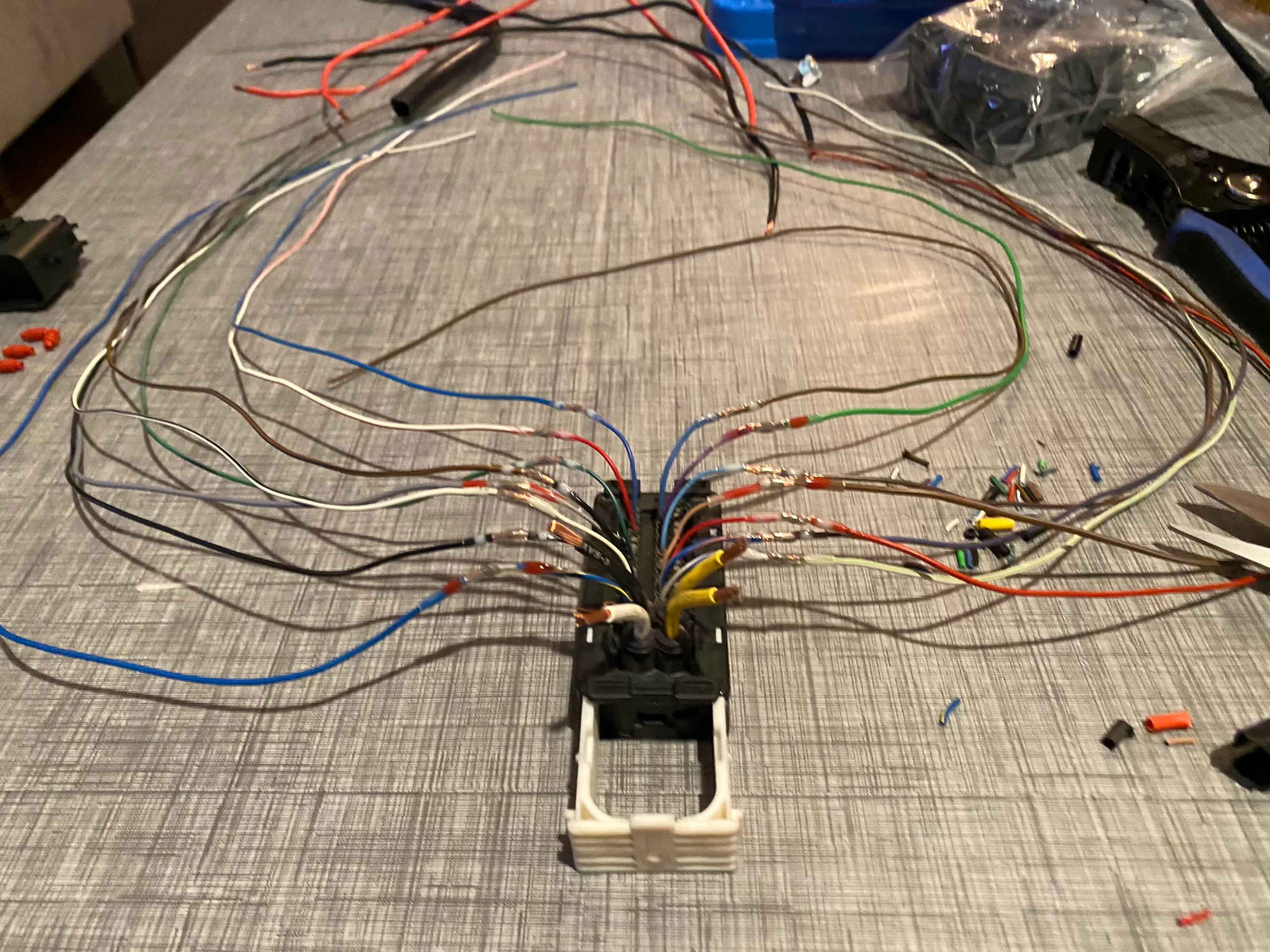
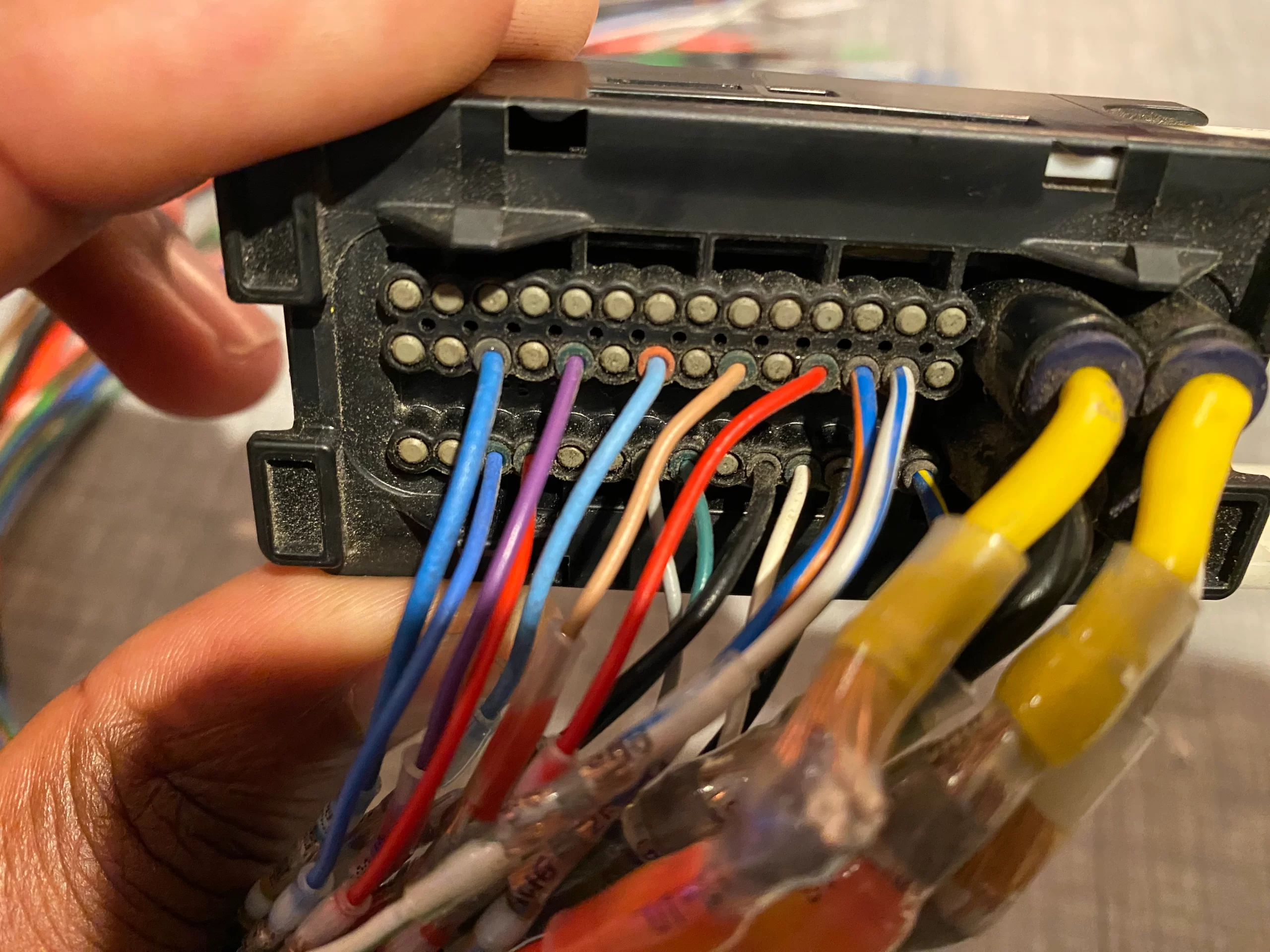
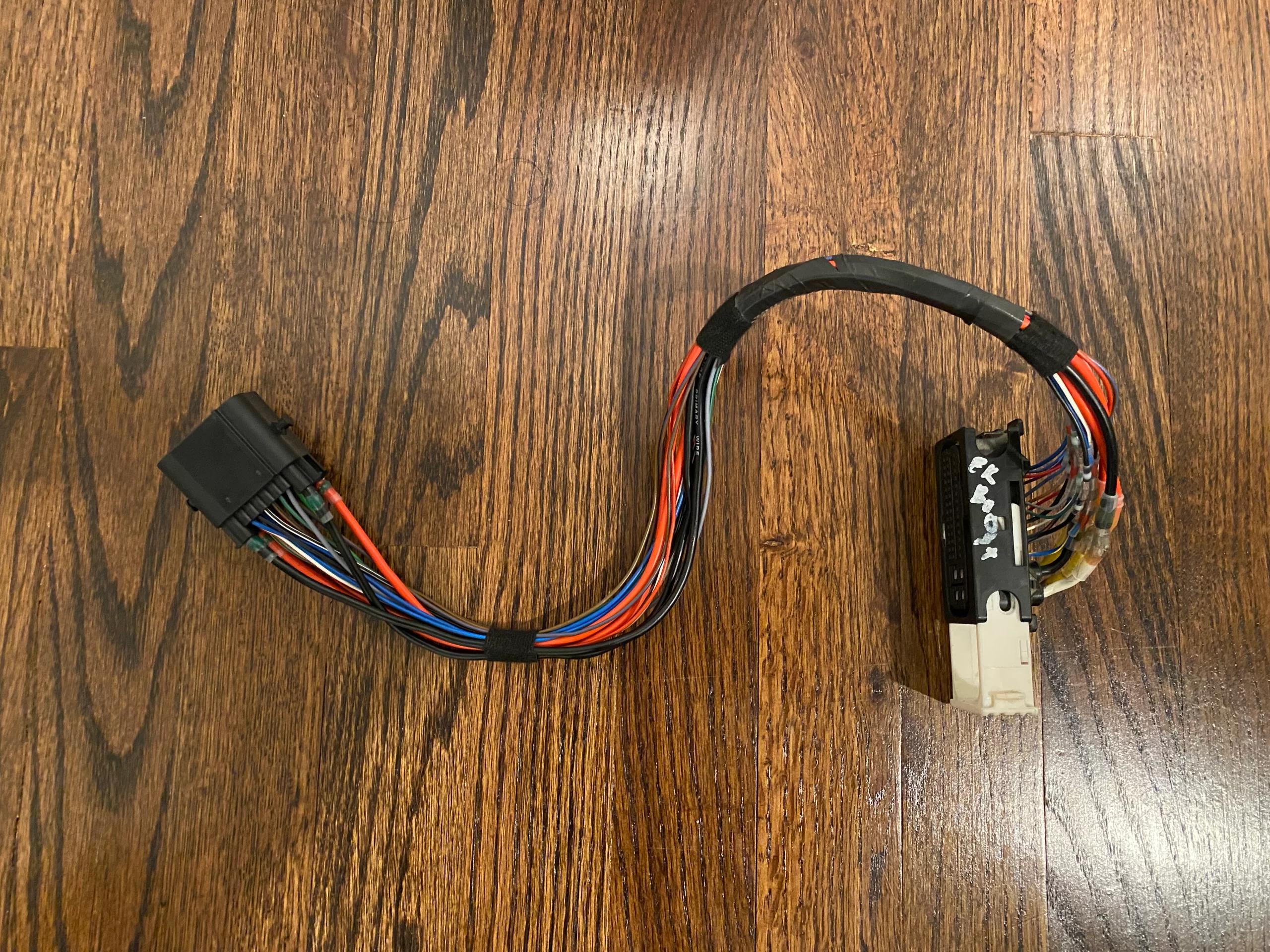
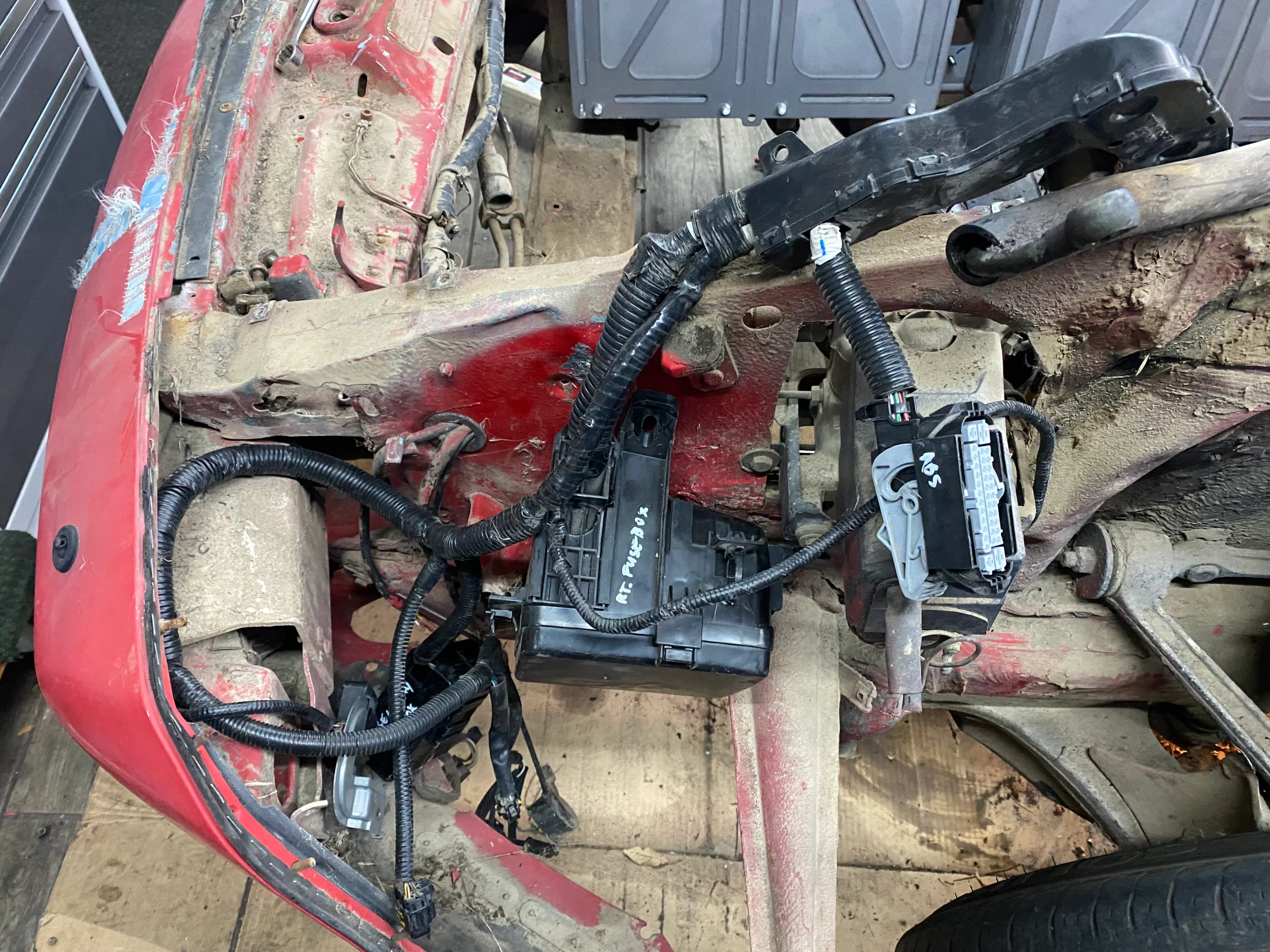
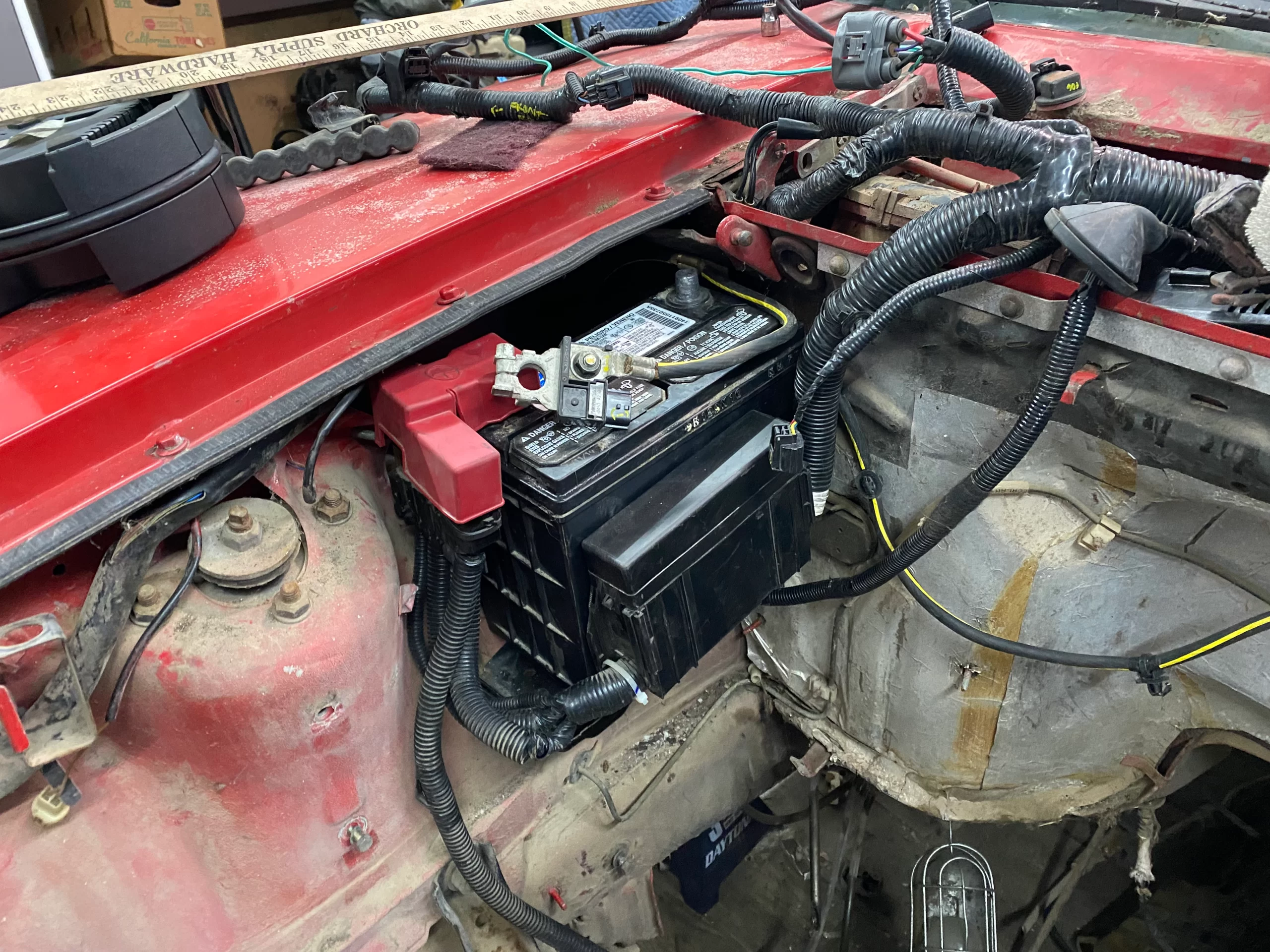
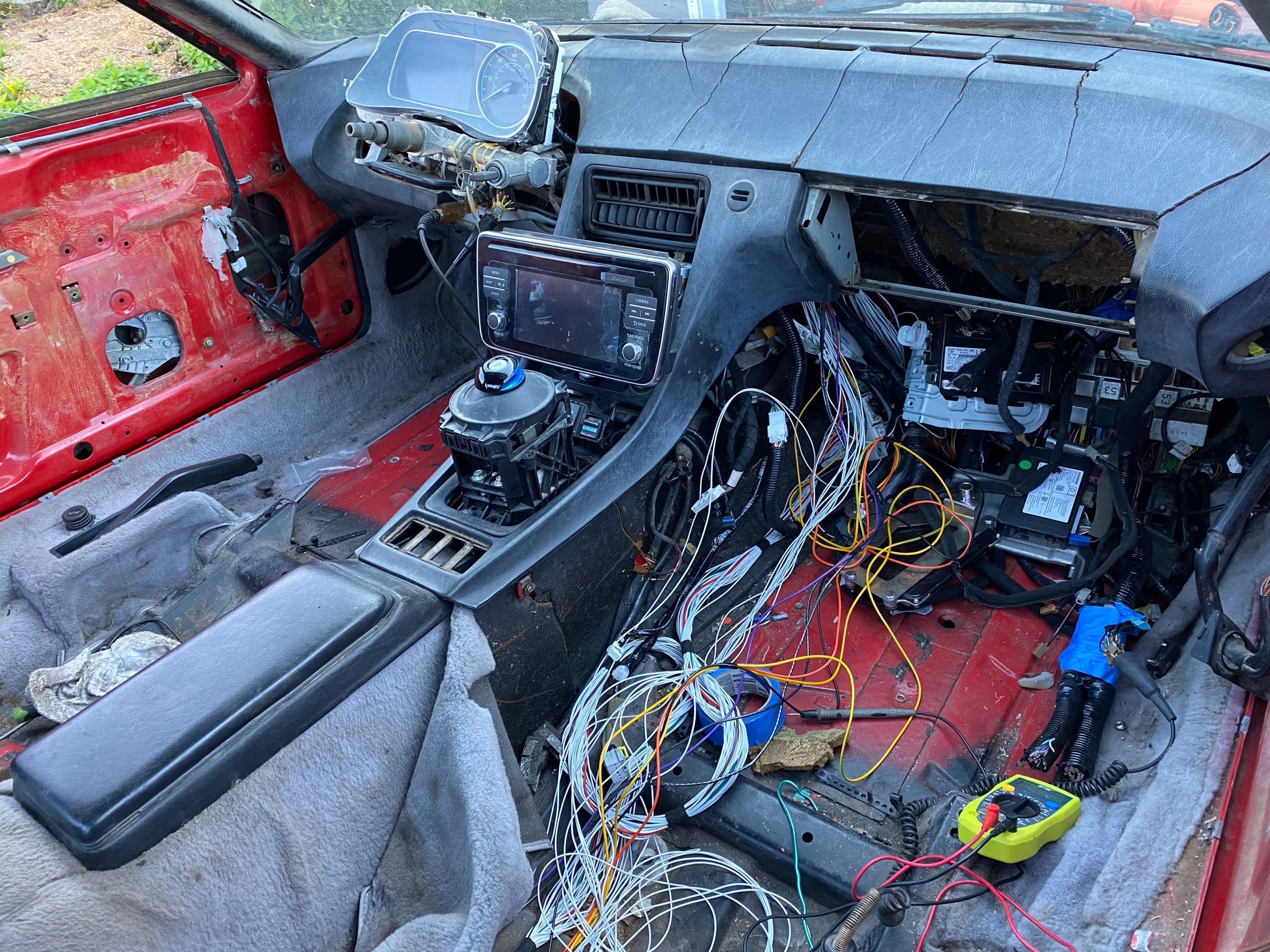
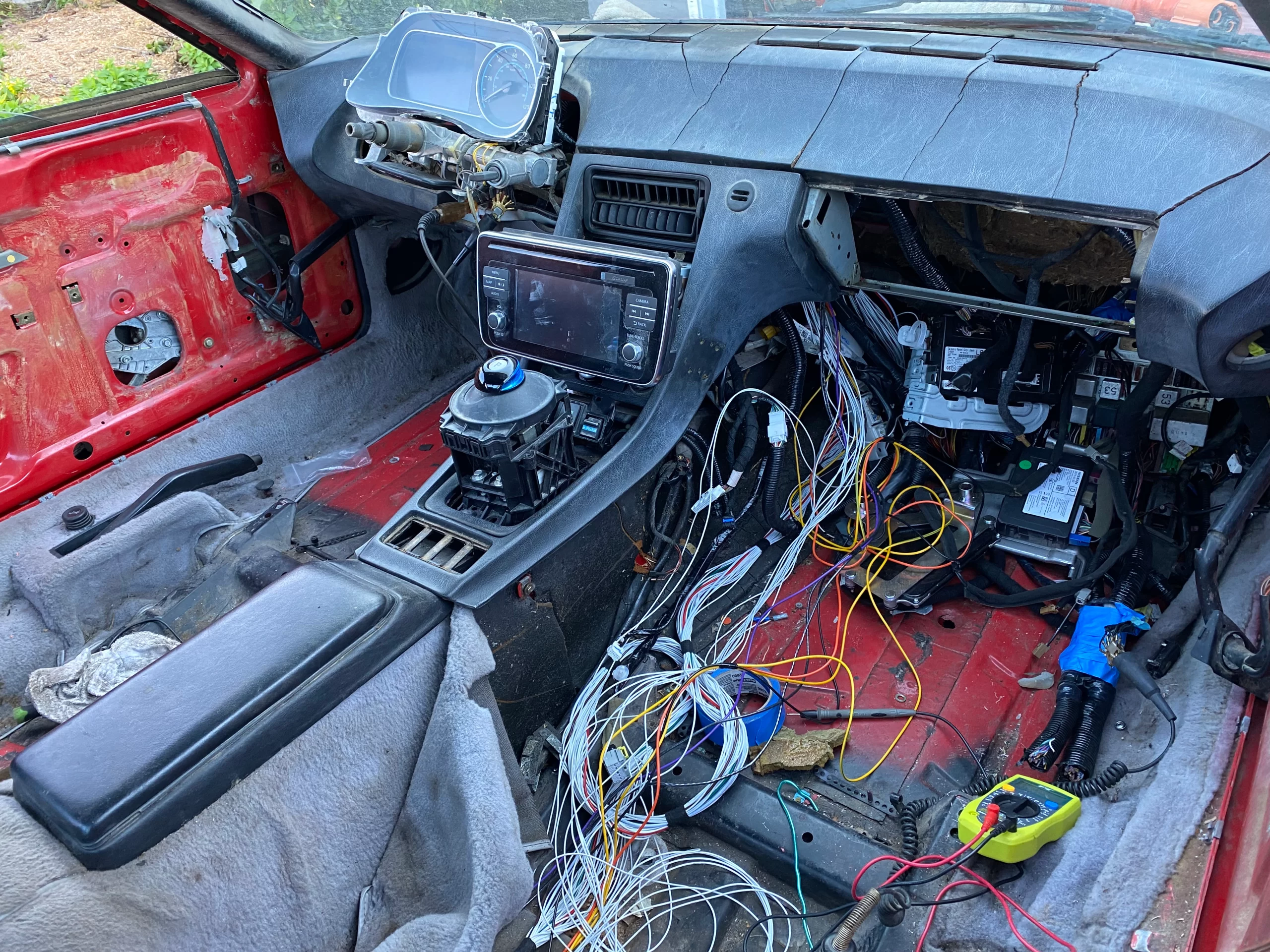
Wiring. With the battery in front and the motor in the rear, harness looms for various modules, sensors and plugs would need to be extended the length of the car. One swapped pin or missed wire could trigger errors, malfunctions or meltdown so extra care was taken with all connections. New harnesses were made for the electric brake booster, VCM, fan modules, charge connectors and many others. The small 12V battery was also relocated to the front for ease and space considerations.
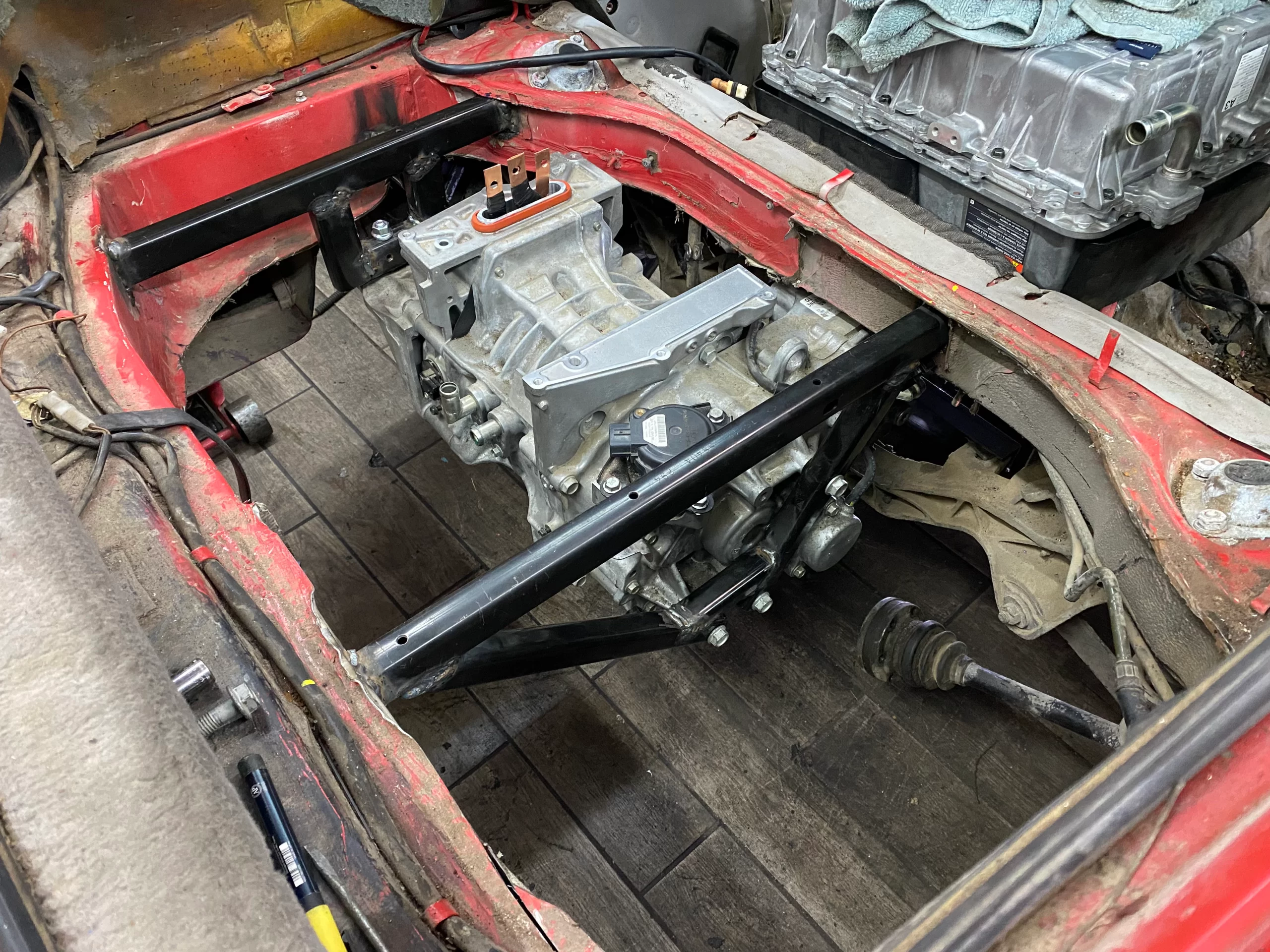
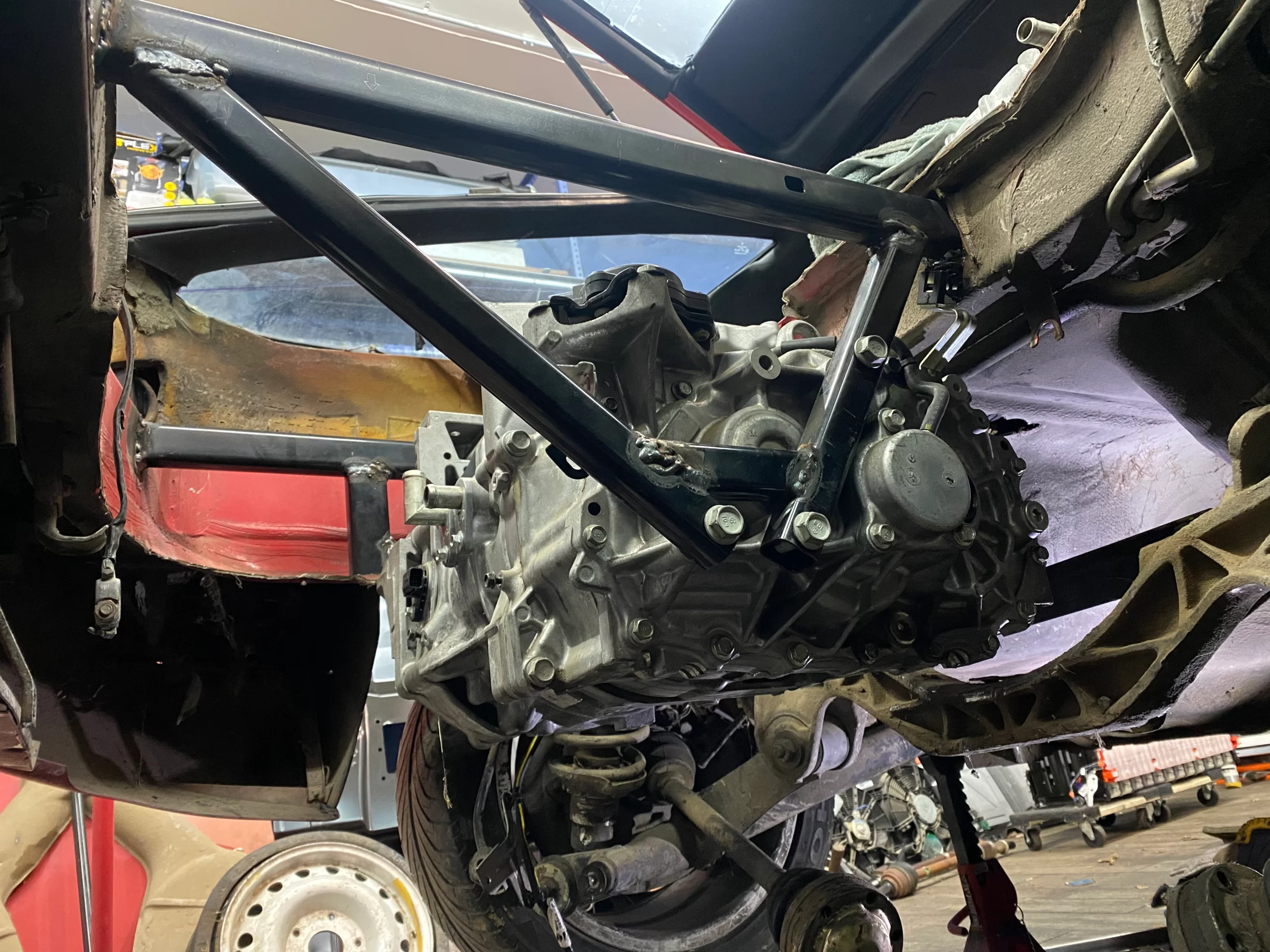
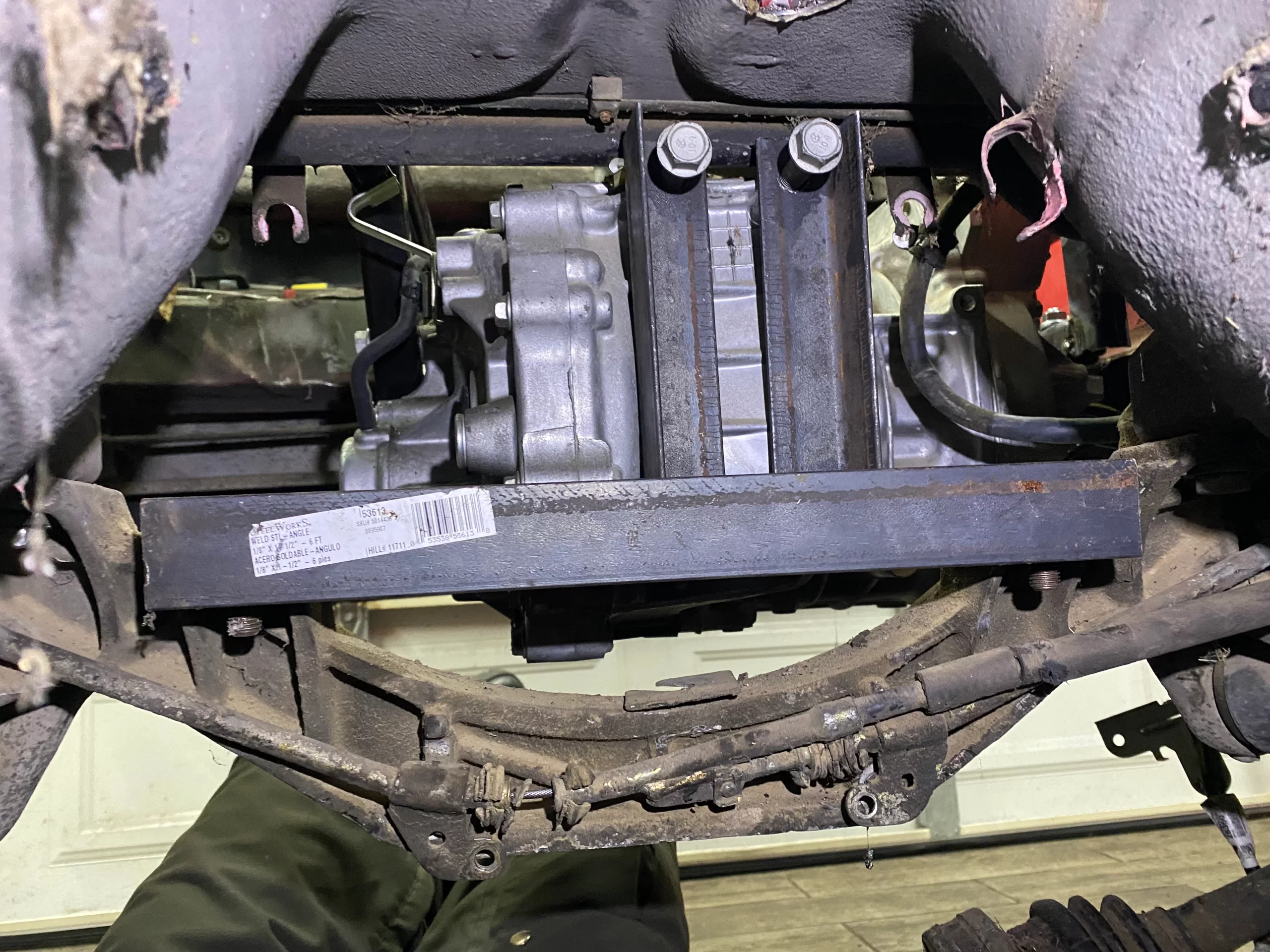
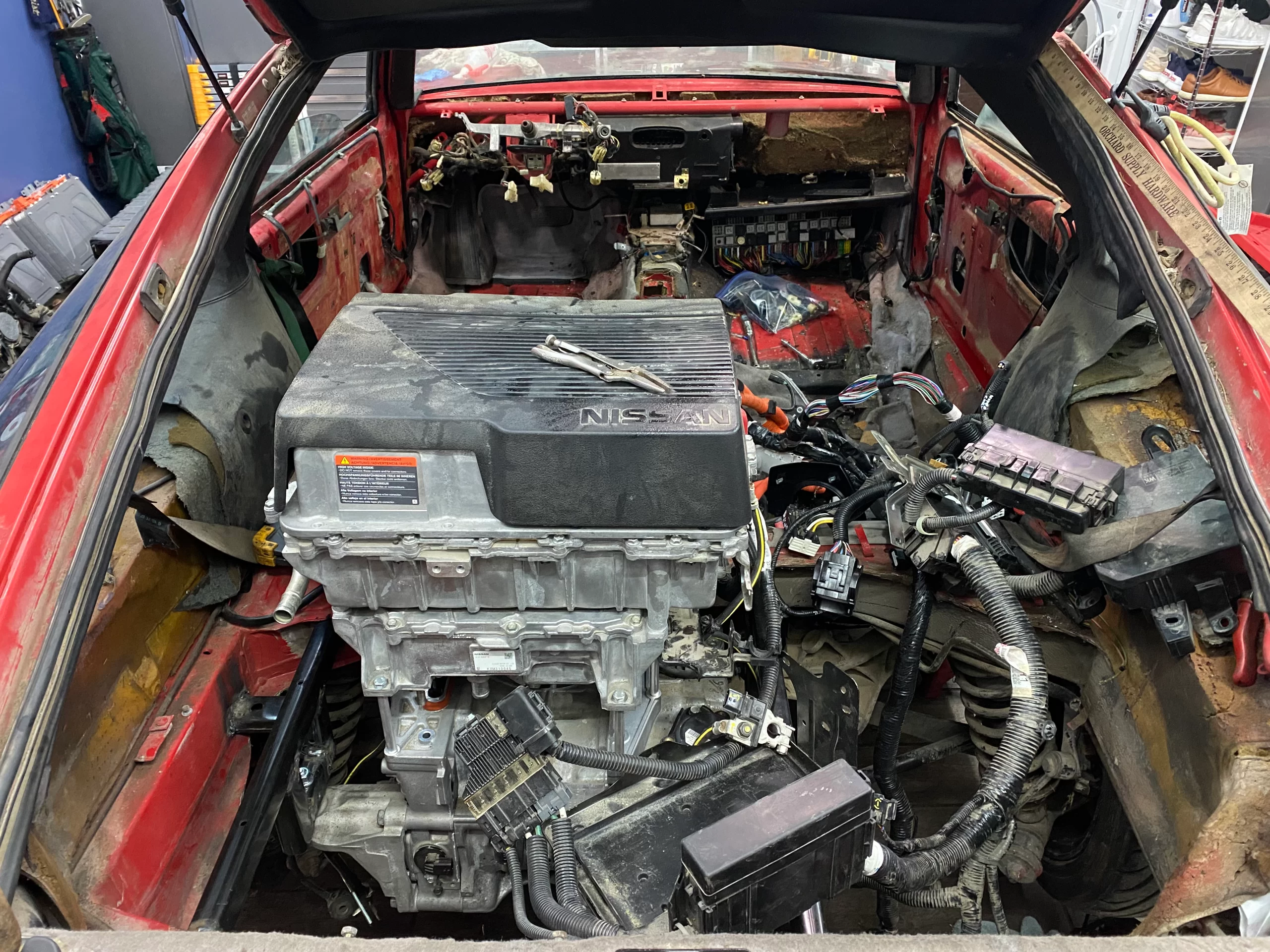
FRUSTRATION
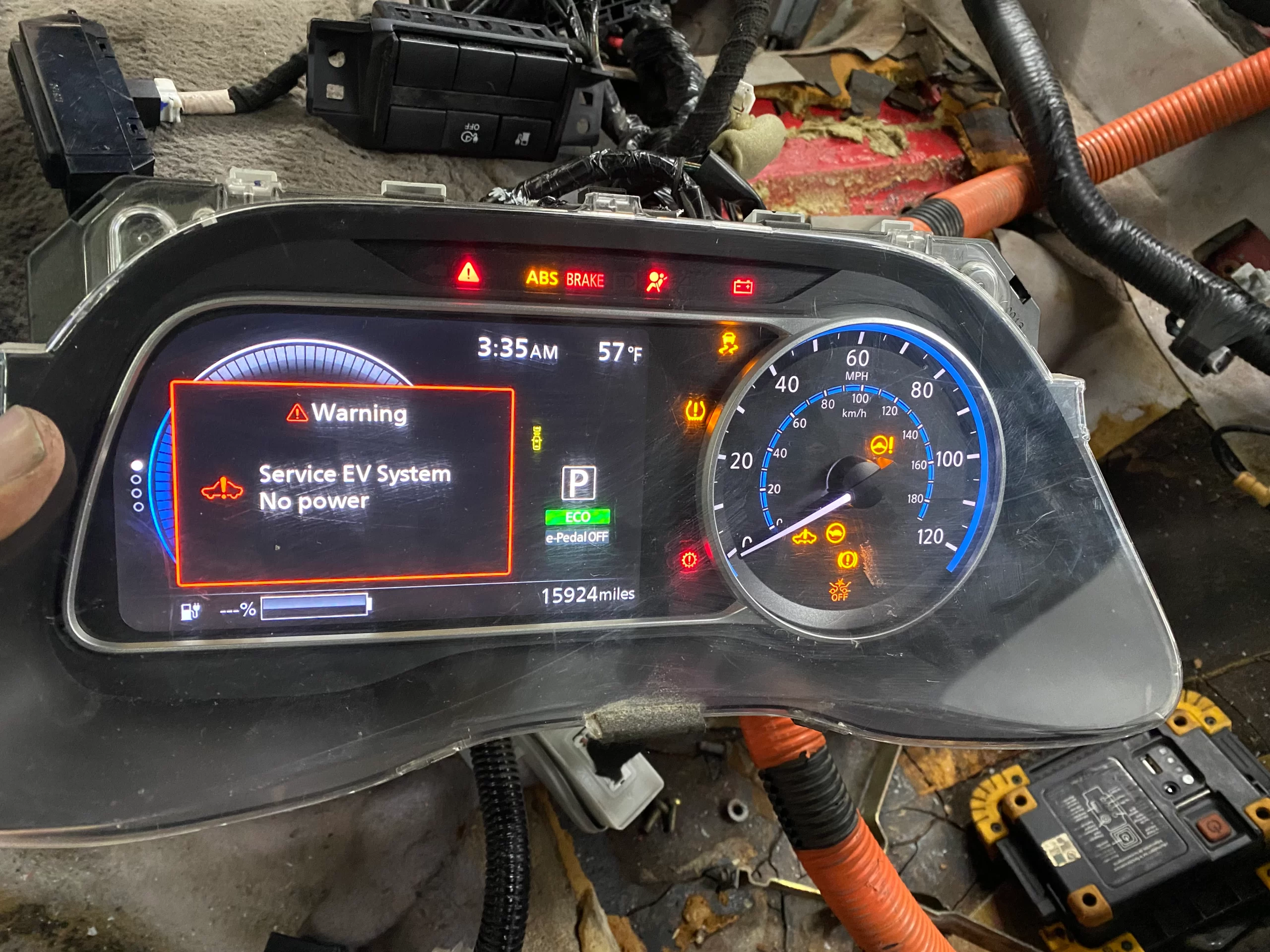
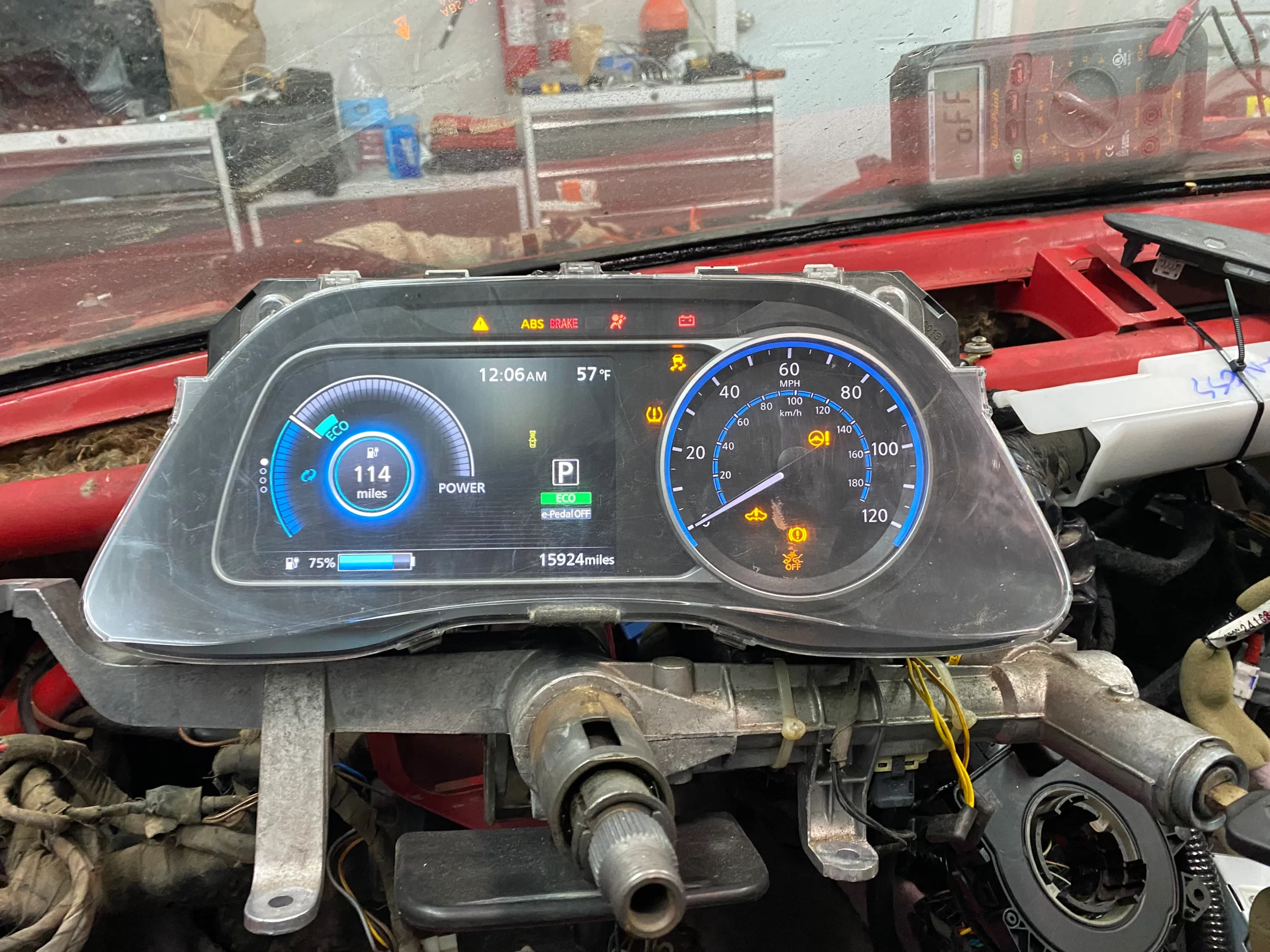
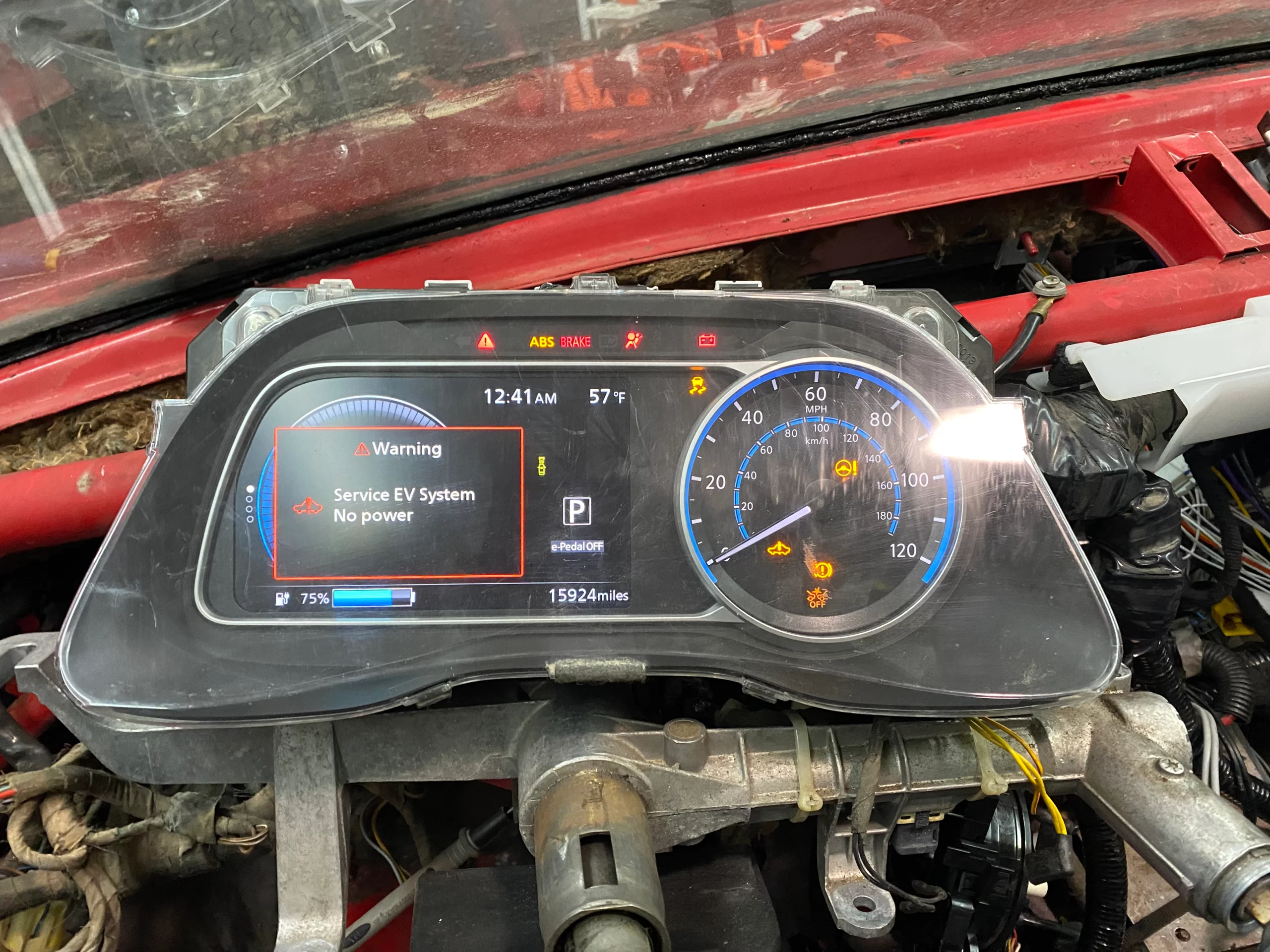
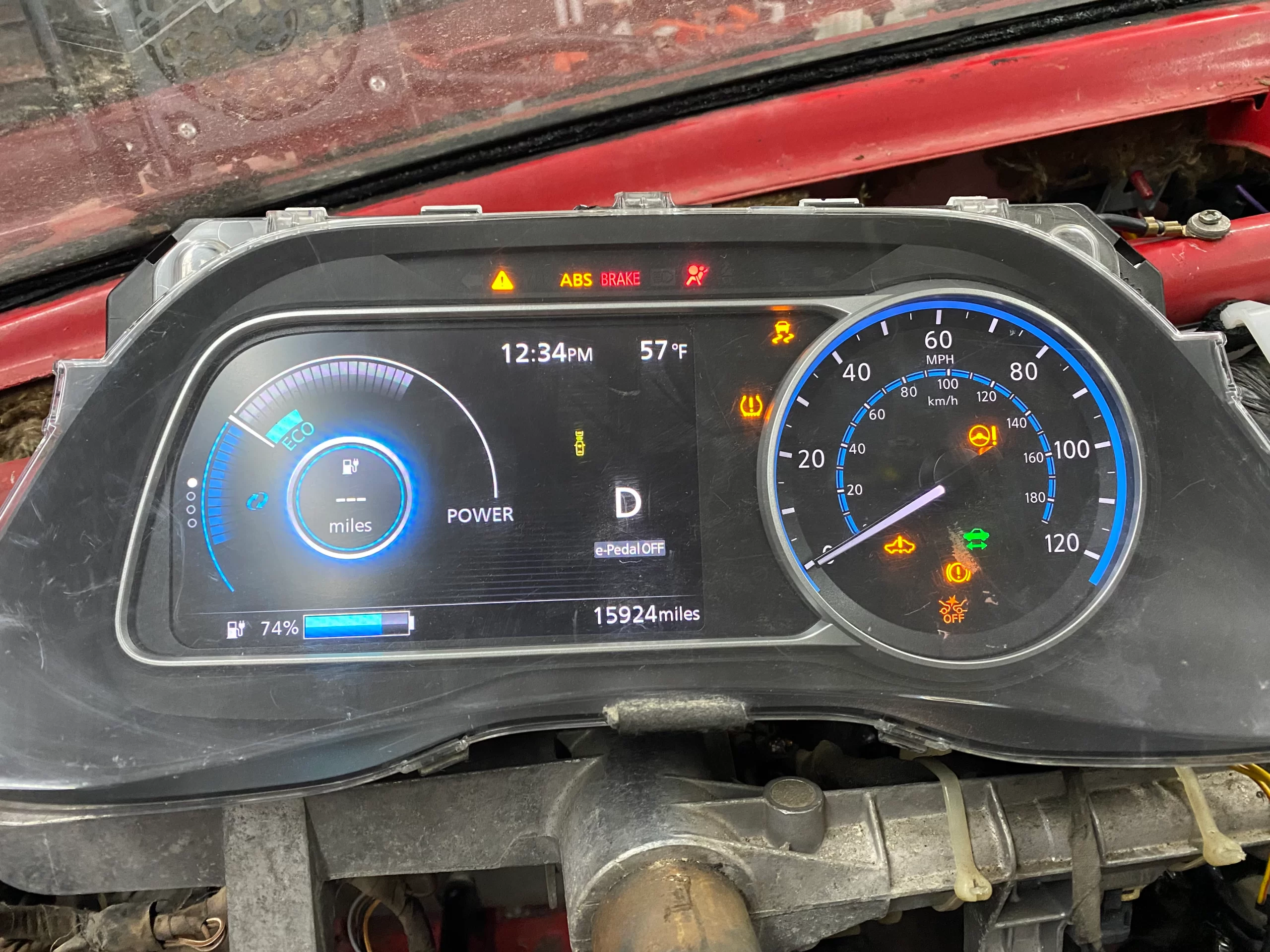
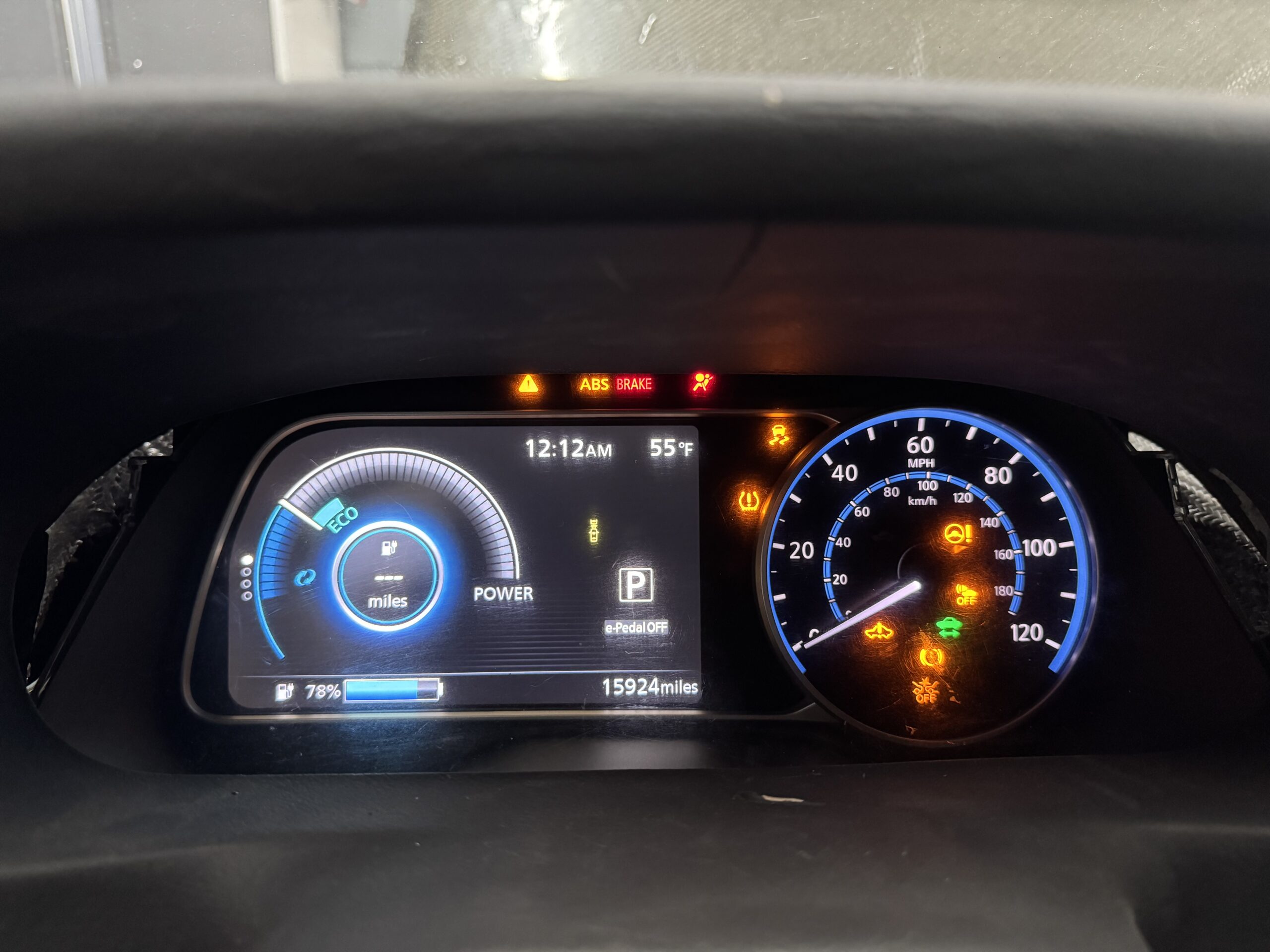
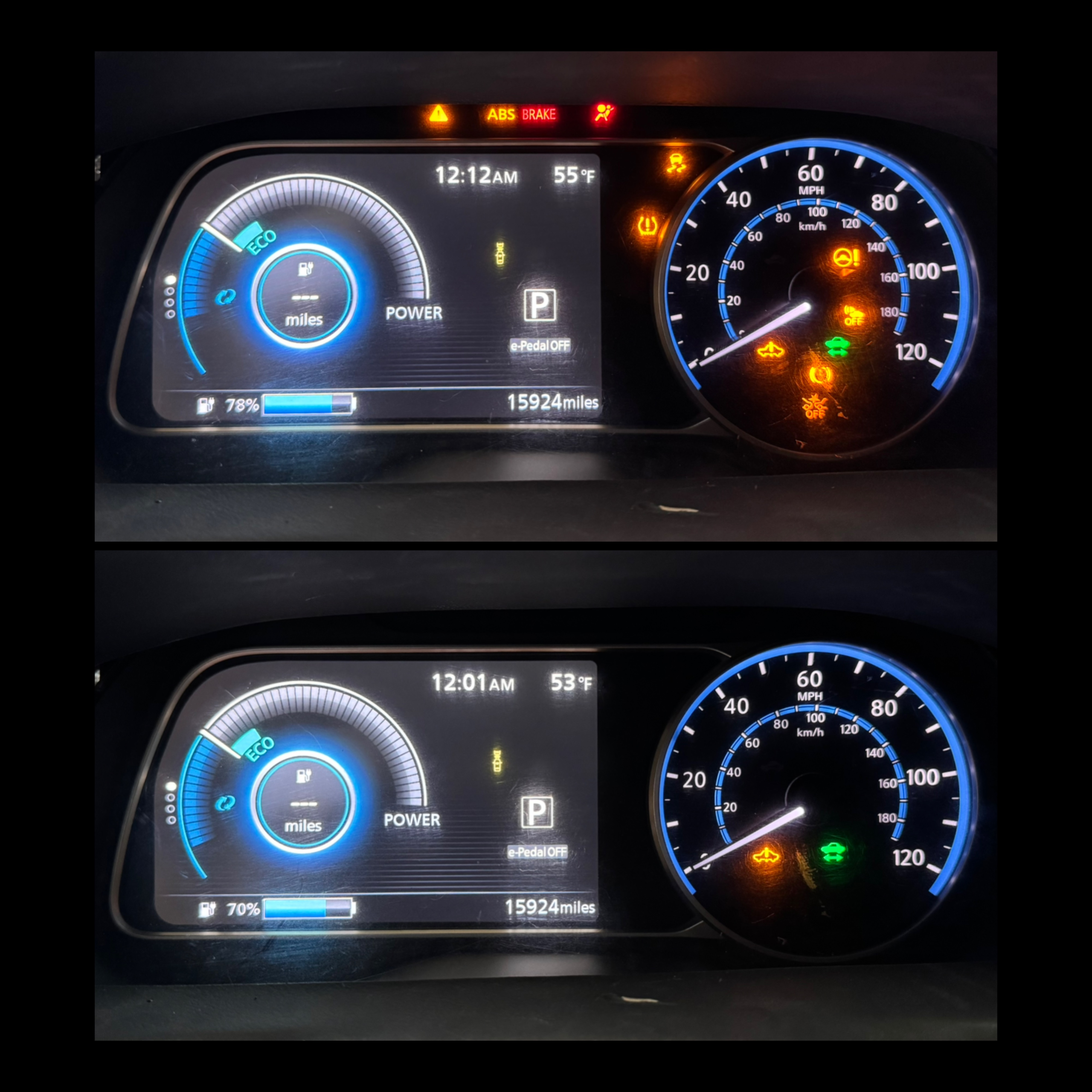
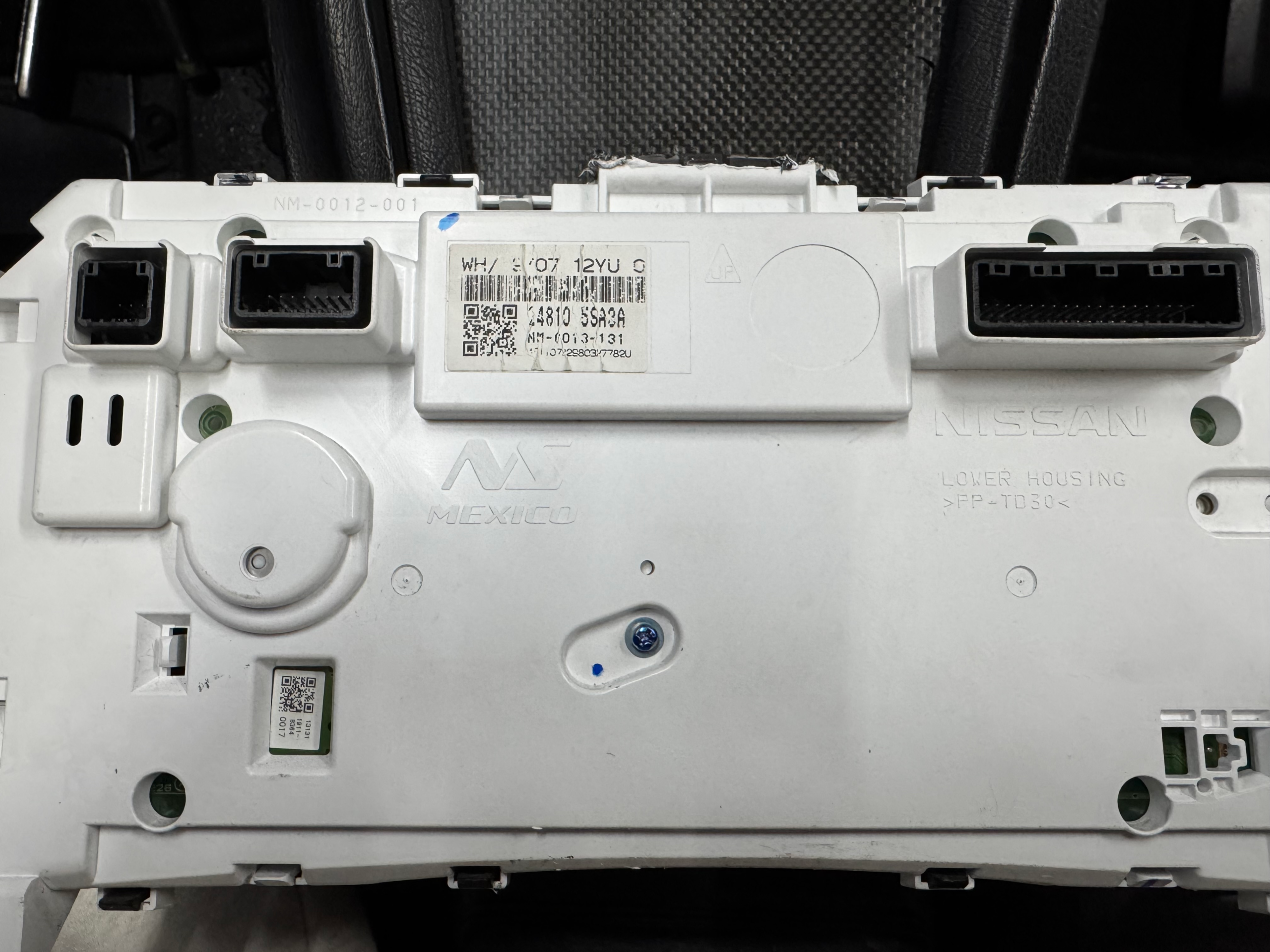
After checking the wiring, connections and plugs a 3rd and 4th time, it was time to power the system. With the positive cable connected, I boldly connected the negative cable. No smoke, no pops, no burning smells. A blinking red light of the security key on the dash affirmed that all was well so far. The blue glow of the Nissan power button beckoned a push. I obliged. The dash came alive with more lights than the Macy’s Xmas tree and an angry red message warning that the EV system requires service. One more press of the button? Sure. Here goes nothing I thought. And that’s exactly what I got. Nothing. No clicking or clacking of contractors closing. No beeping or blipping of boosters building brake pressure. No humming, hooting or hollering or horns happily howling. What went wrong? Everything was working before. I must’ve missed something. Grounds they say. They say you should check your grounds. Check the grounds. All of those codes must mean something. I should check them with a code reader I told myself.
LeafSpy Pro is an app that when paired with an OBD plug, can read all OEM Nissan Codes and provide brief descriptions. It’s perhaps the most valuable tool I’ve had so far in diagnosing issues. The stored codes read like Santa’s naughty list. Clearing the codes and seeing what remained and attempting a fix would be the exercise for the next 6 weeks; and still would not end in the successful initiation of high voltage and “Ready” mode. What have I done?
WHAT IF...??? WHAT WOULD...?? HOW...?
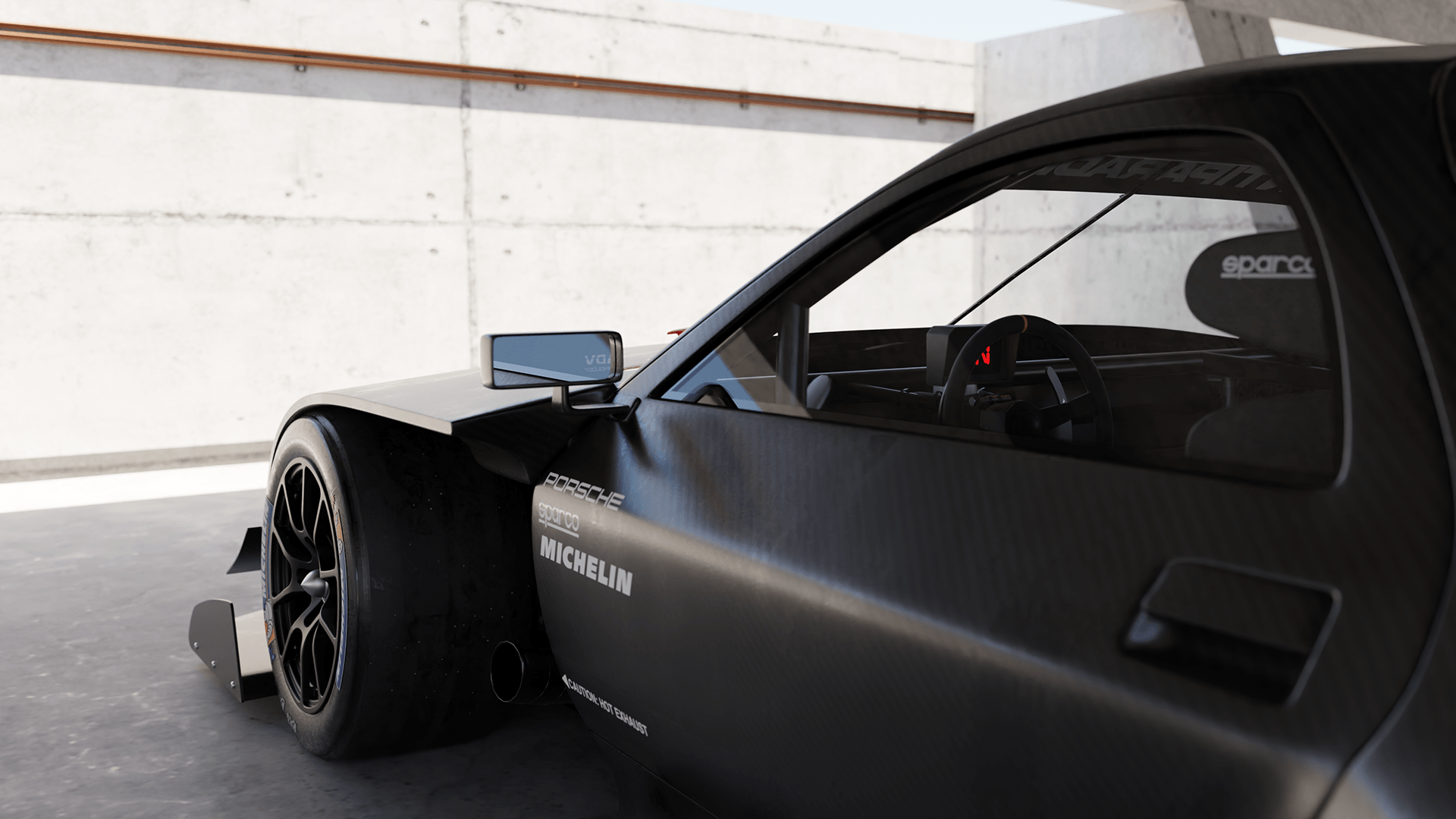
Stepping away from one project allowed me to finish another 928S4 rescue; another 1988 that needed someone foolish and interested enough to put it back on the road. Success found me this time and provided motivation to completely shift the scope of the EV conversion. Keen on accomplishing the aim of the project (Fail. Learn. Repeat), I began to ask myself questions about what this project could be. What if made it look more modern? What if we could completely redesign the body panels? What if they were made in carbon fiber? What if it had bigger wheels and tires? What if it had aero disc covers? What if the headlights looked more modern? What if it was lighter and offered more range that the original Leaf? Could racing seats and steering wheel complement the look? How would you increase the power of the stock Leaf Motor/Inverter? I set out to answer those questions….and failed…and learned…a lot…and repeated again.
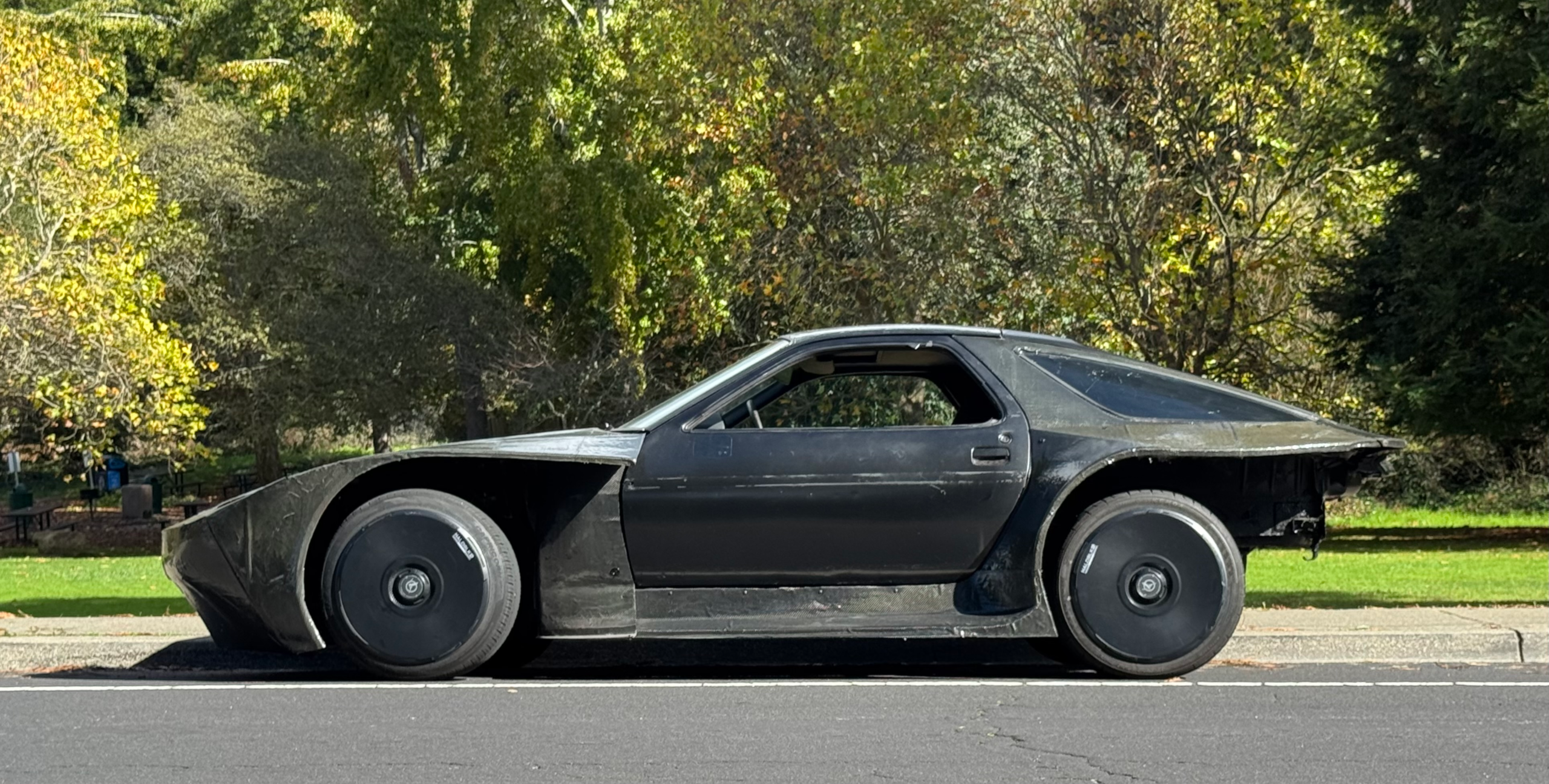
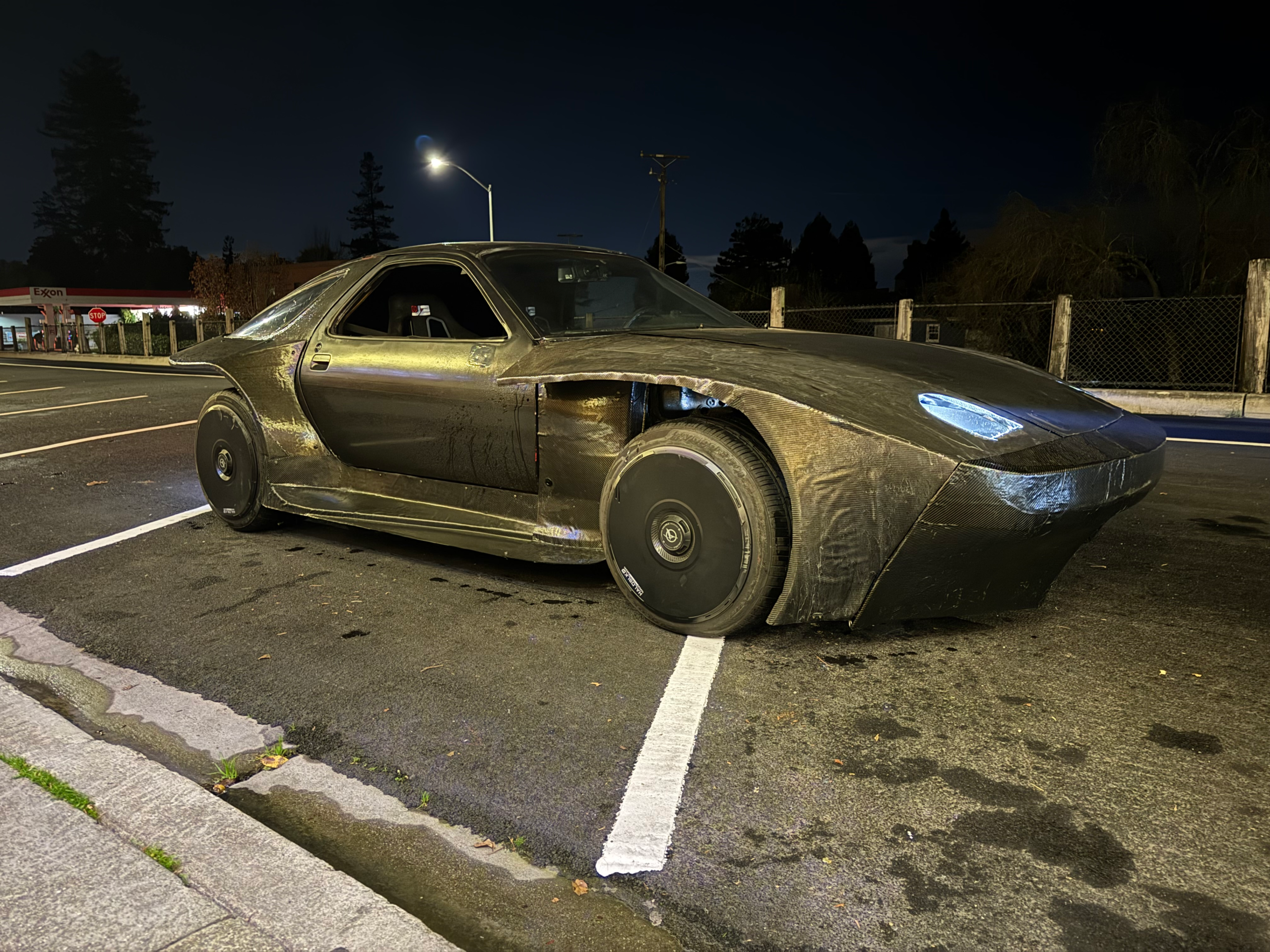
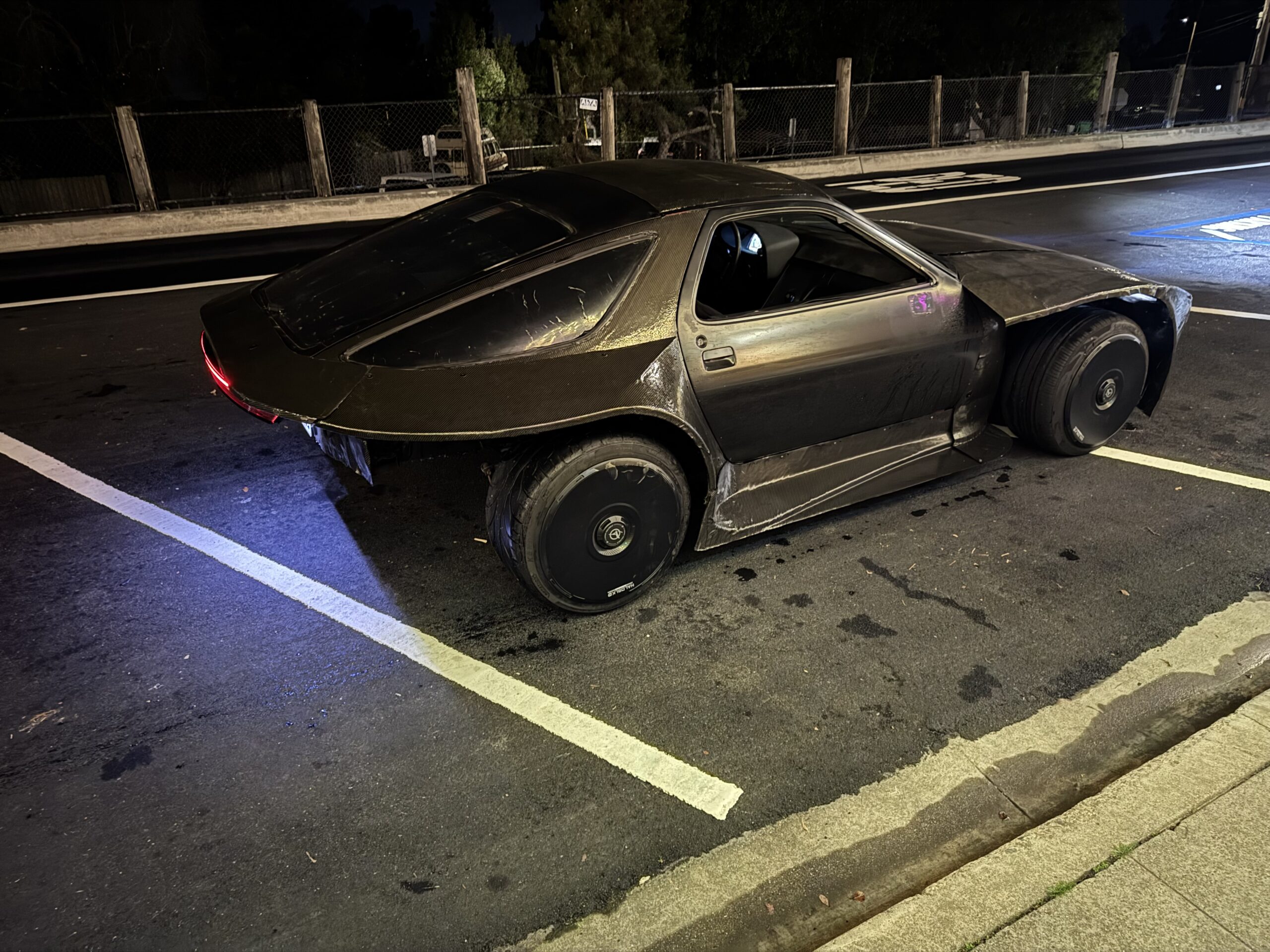
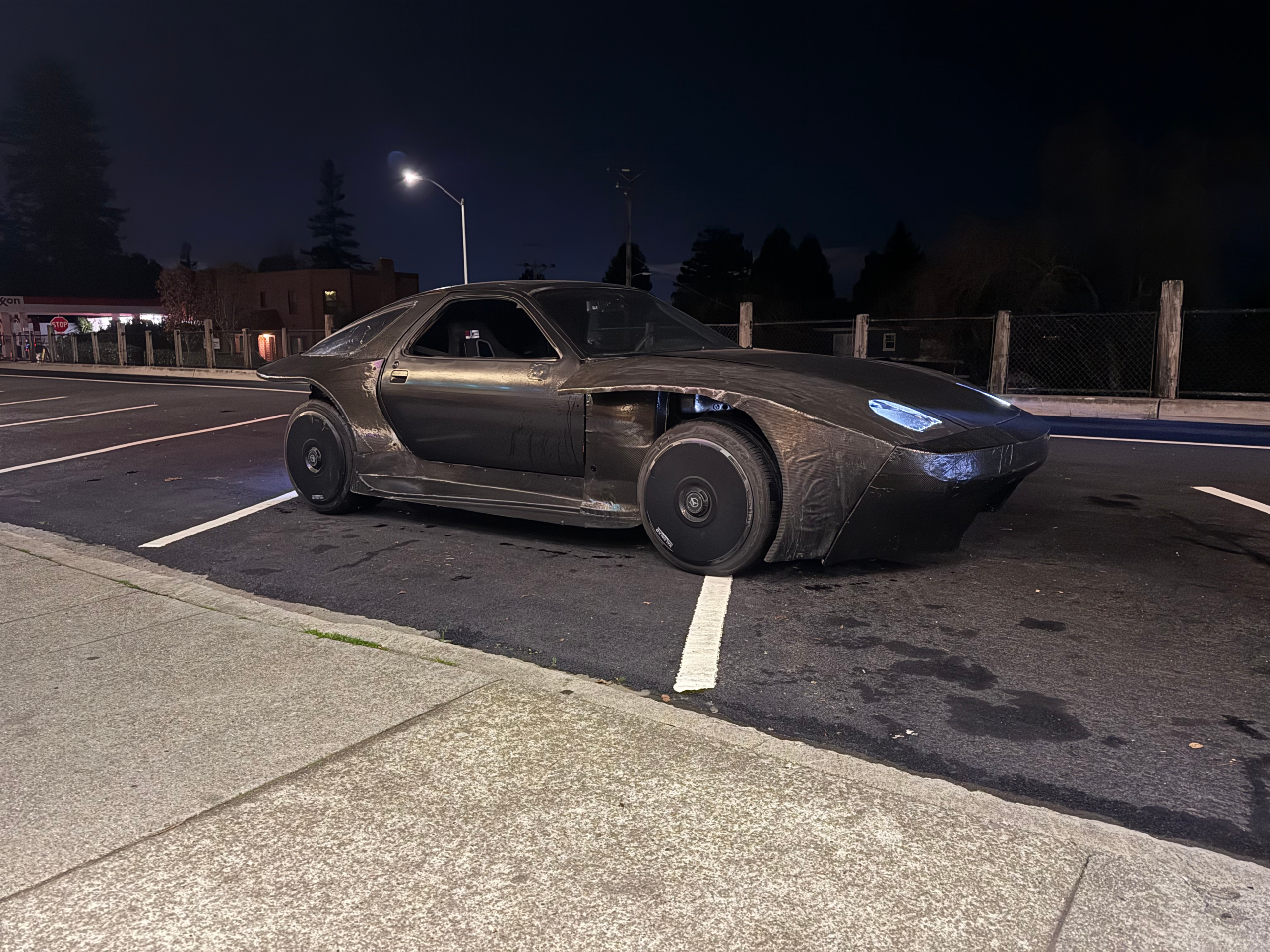
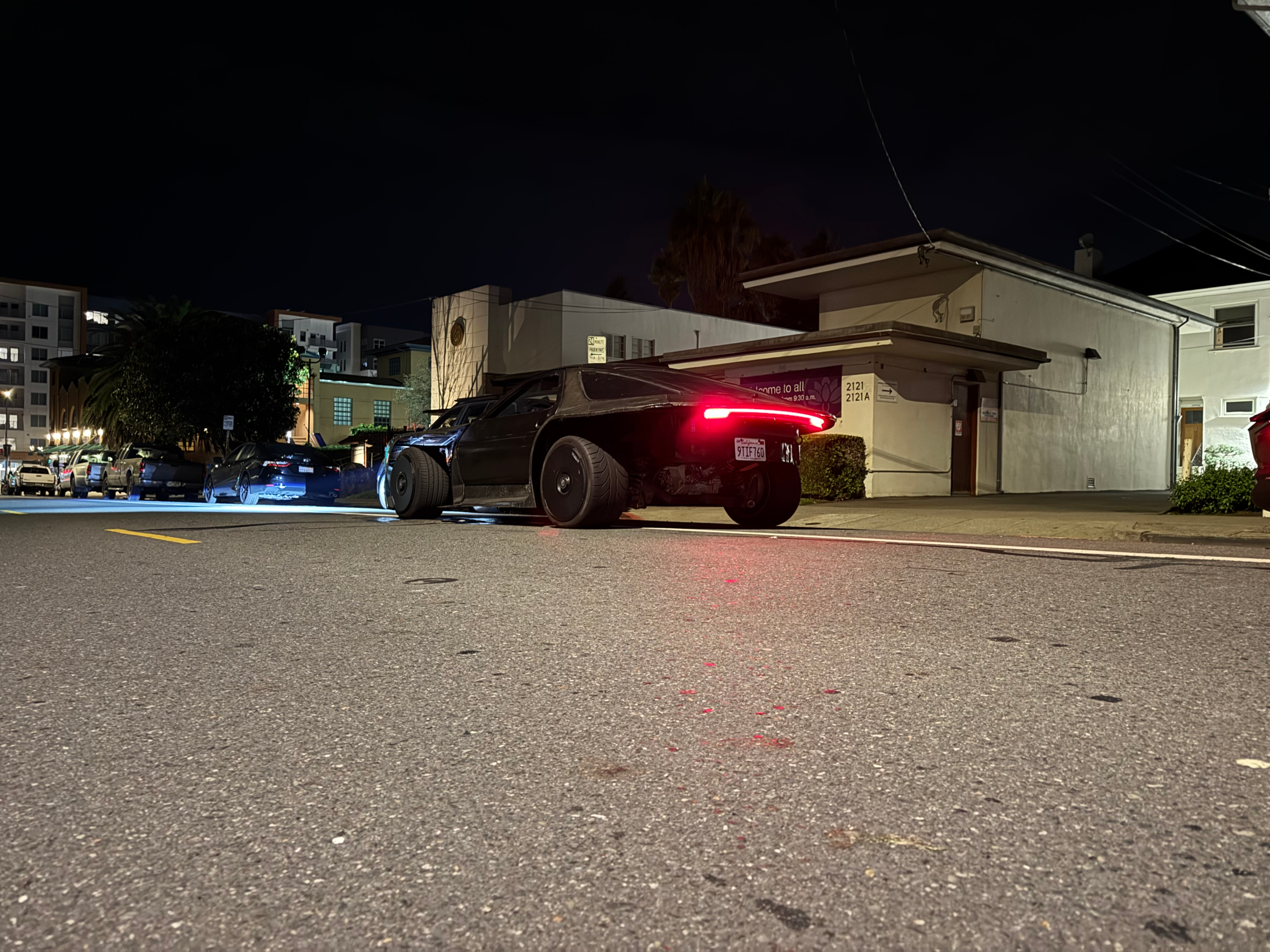
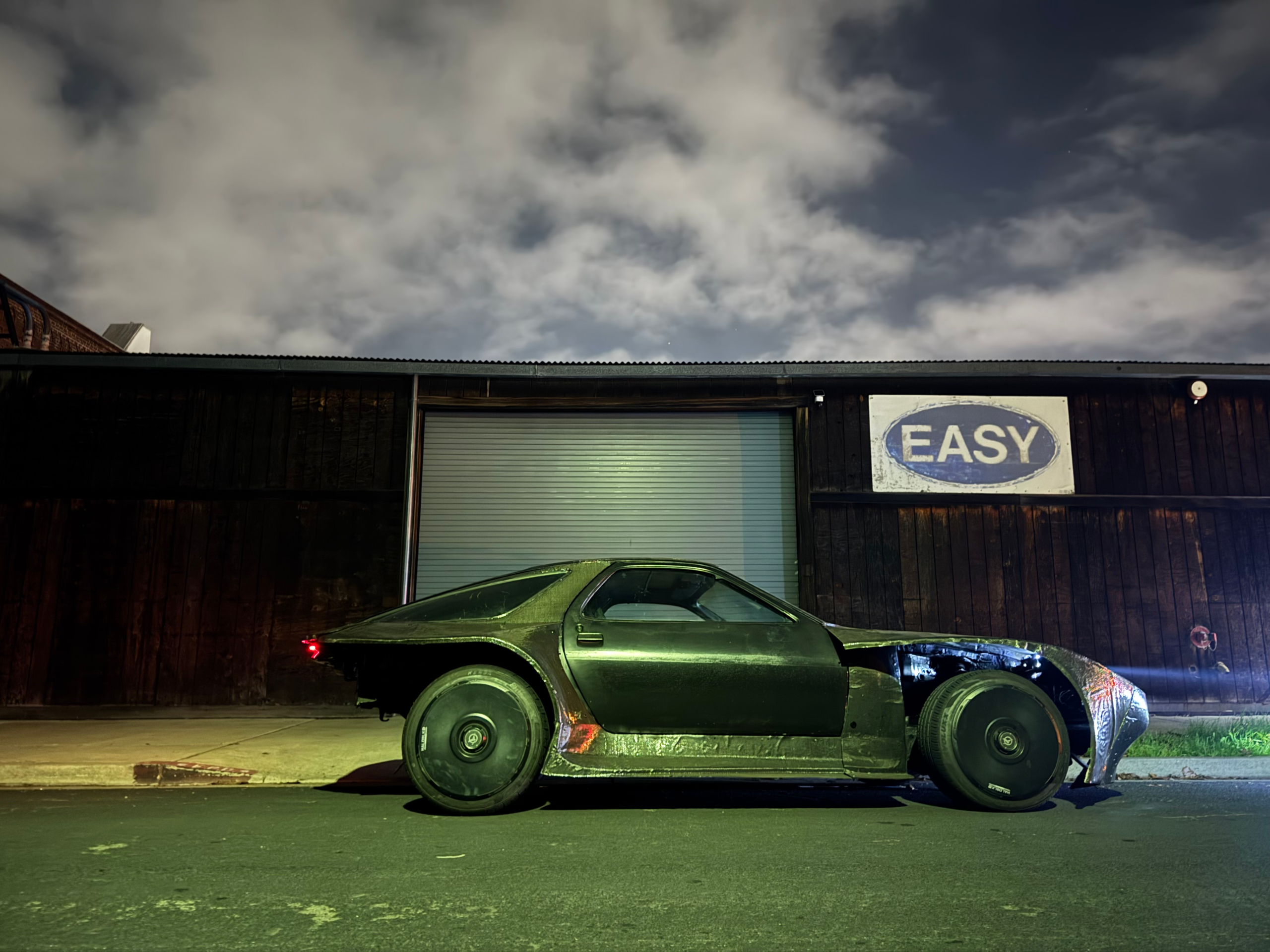
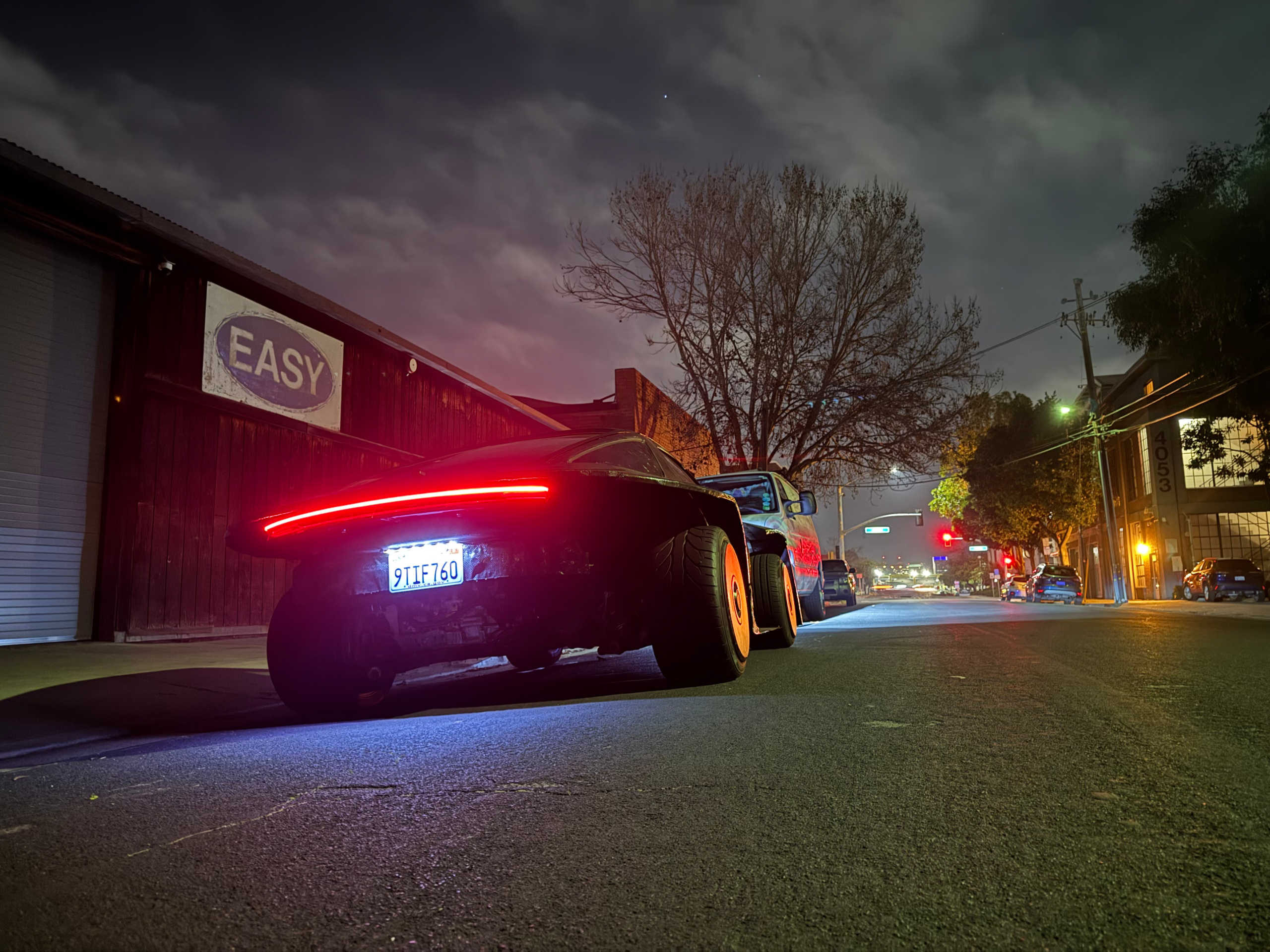
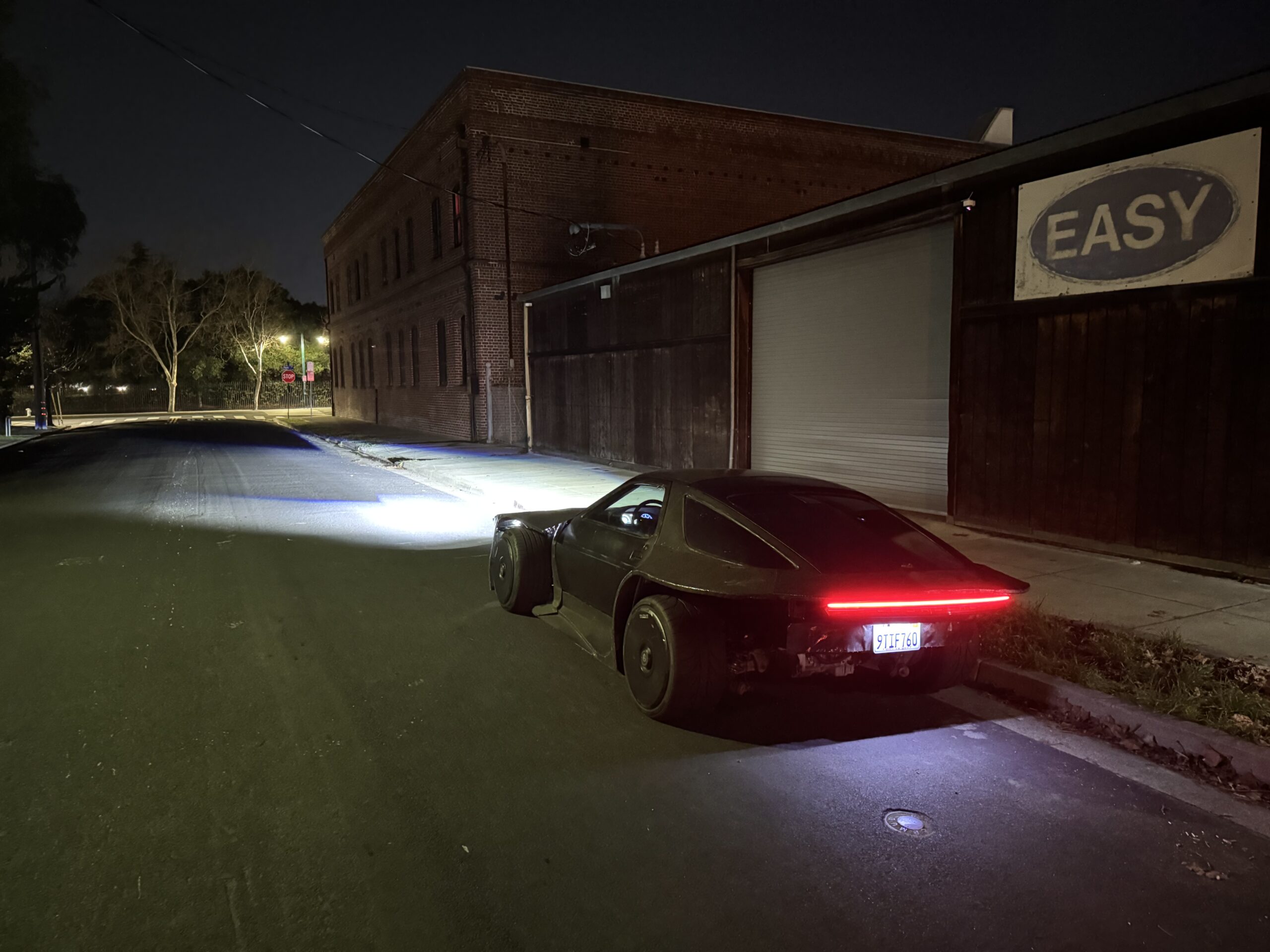
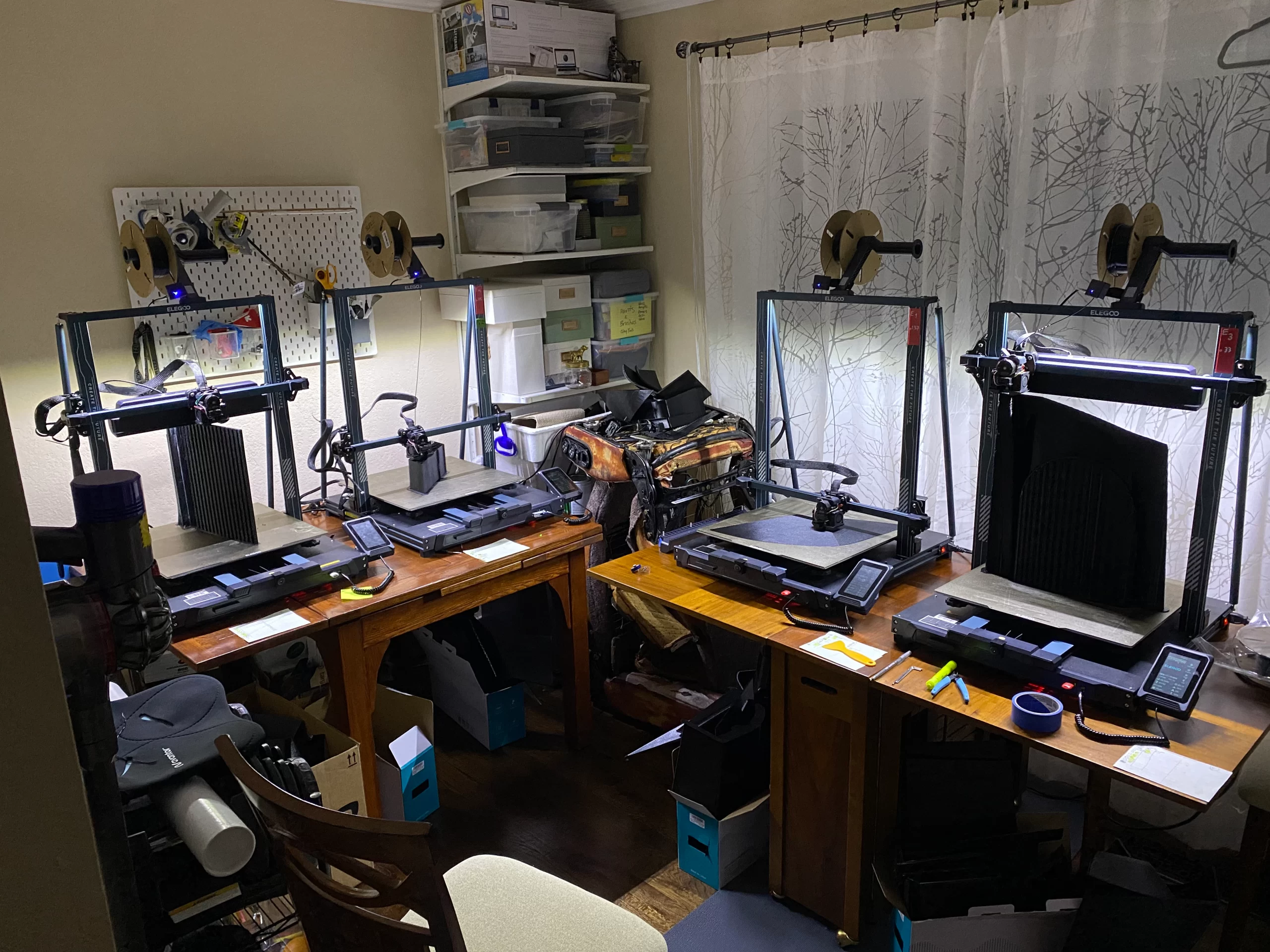
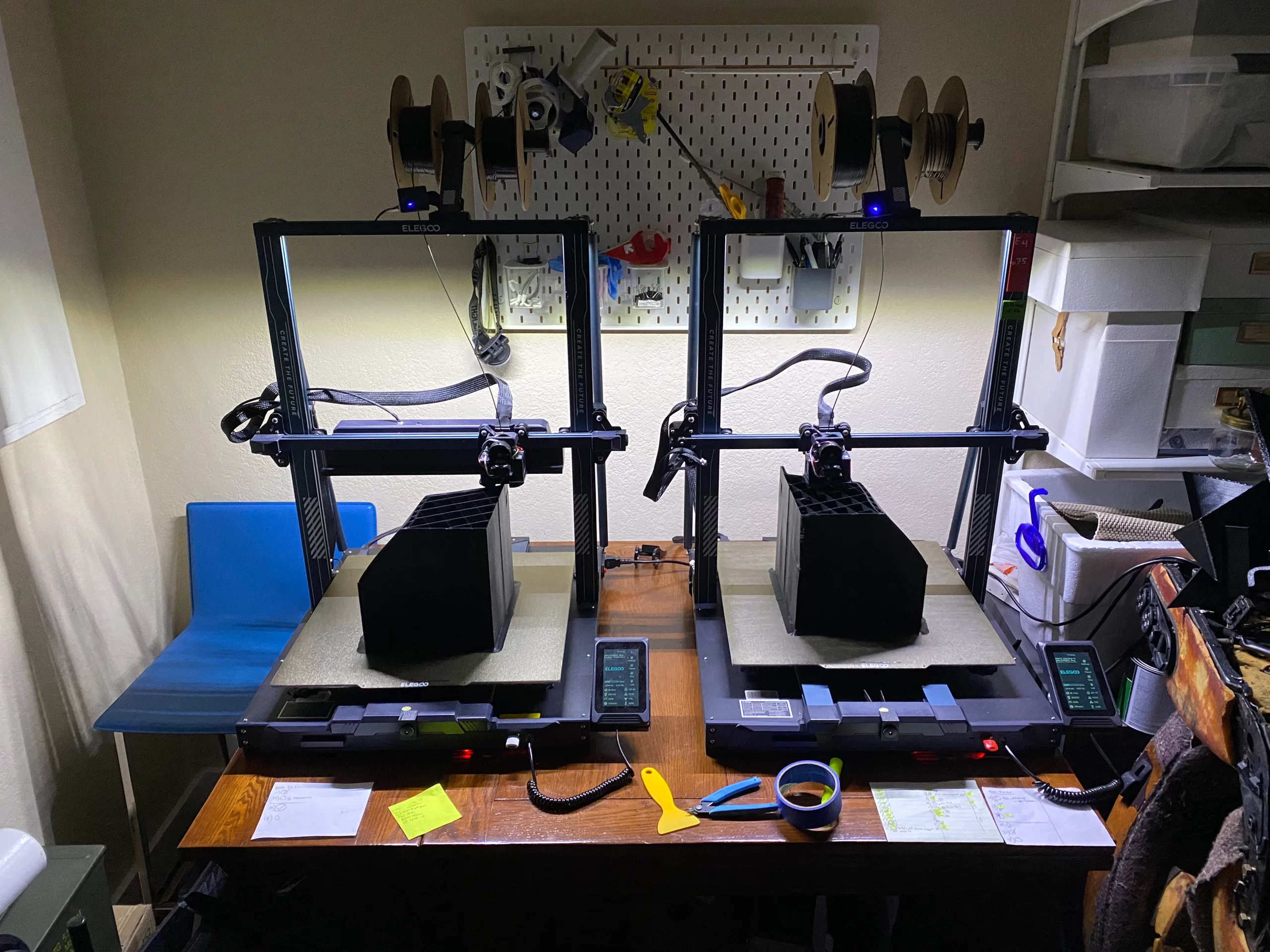
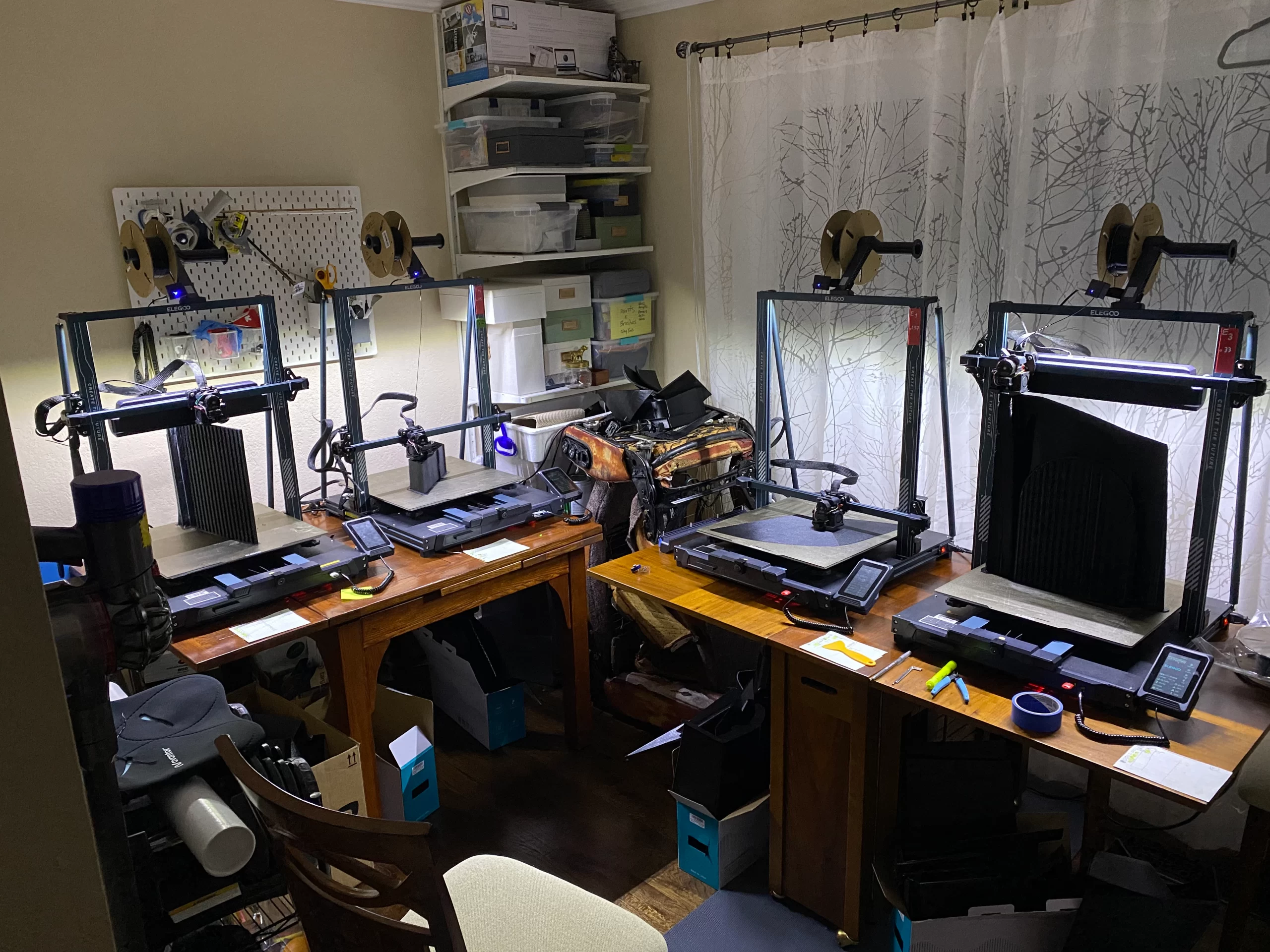
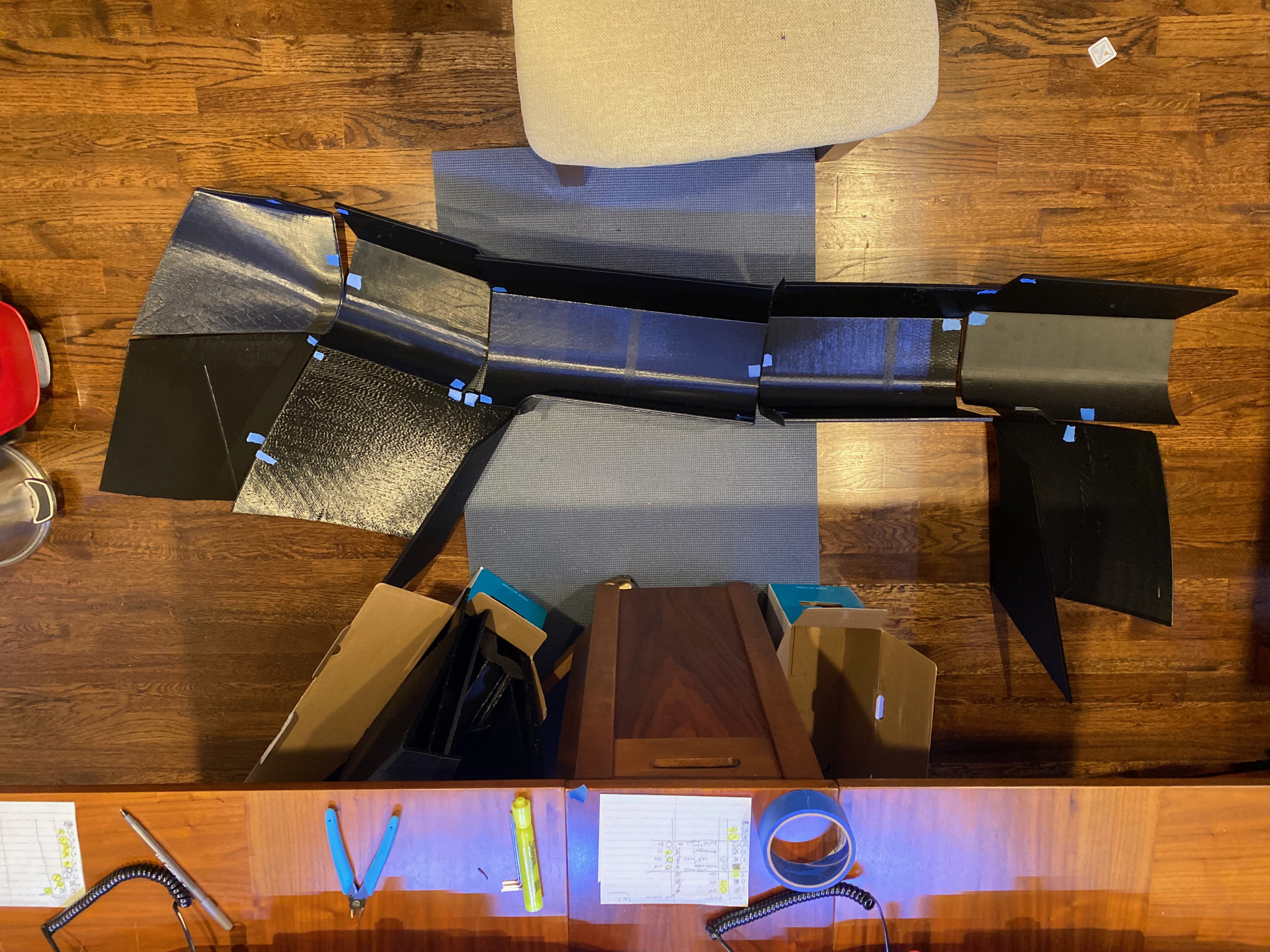
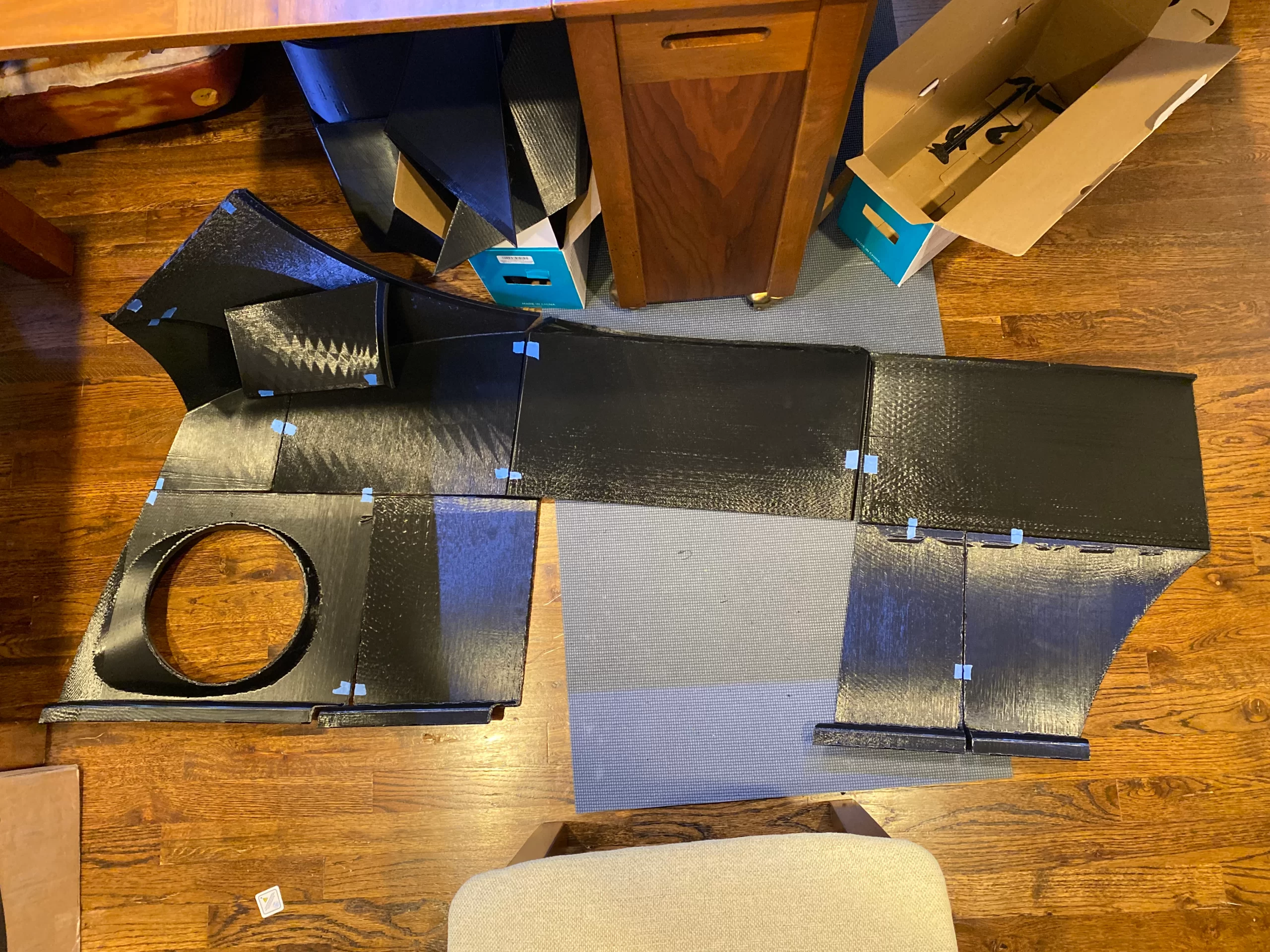
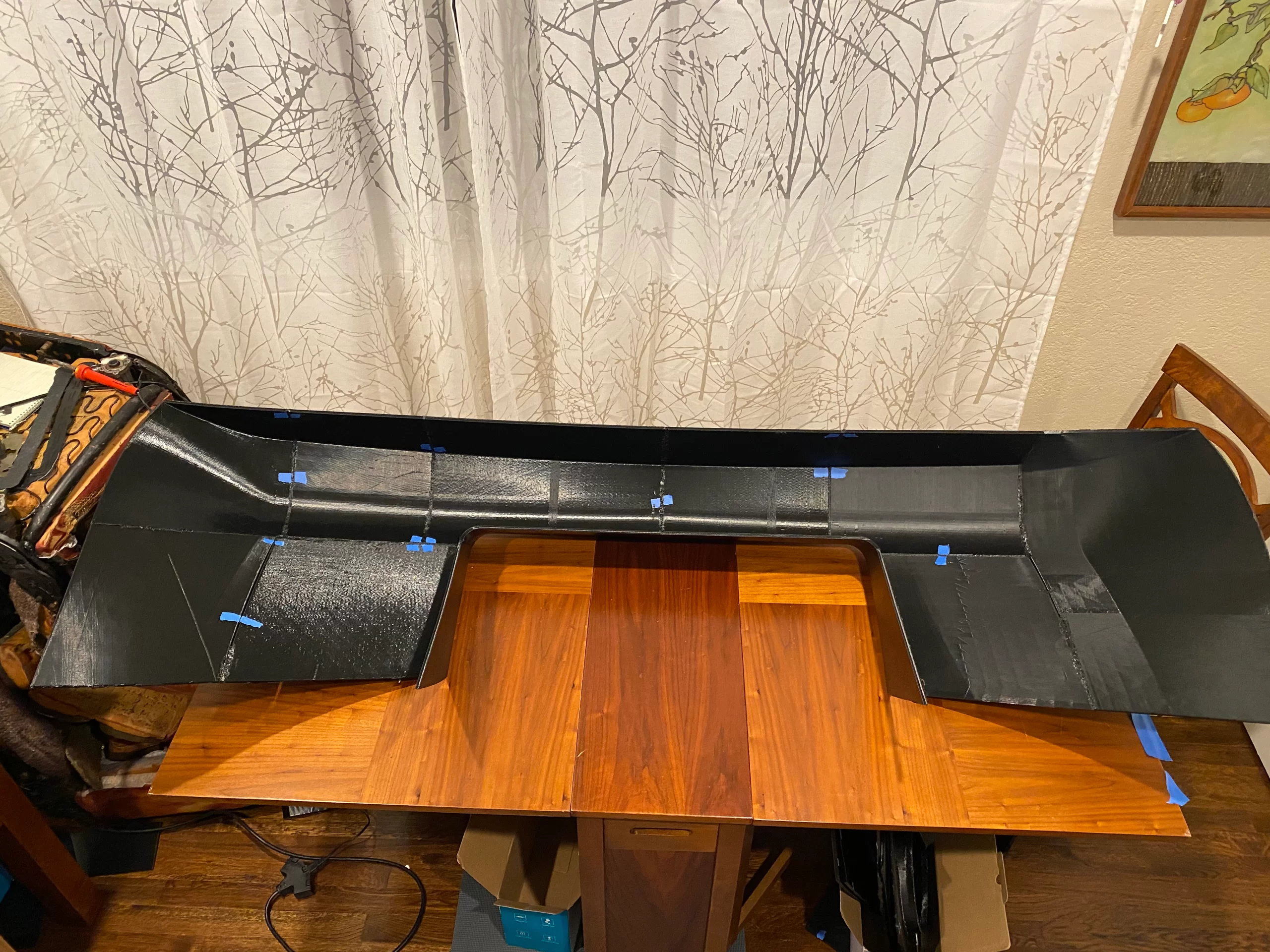
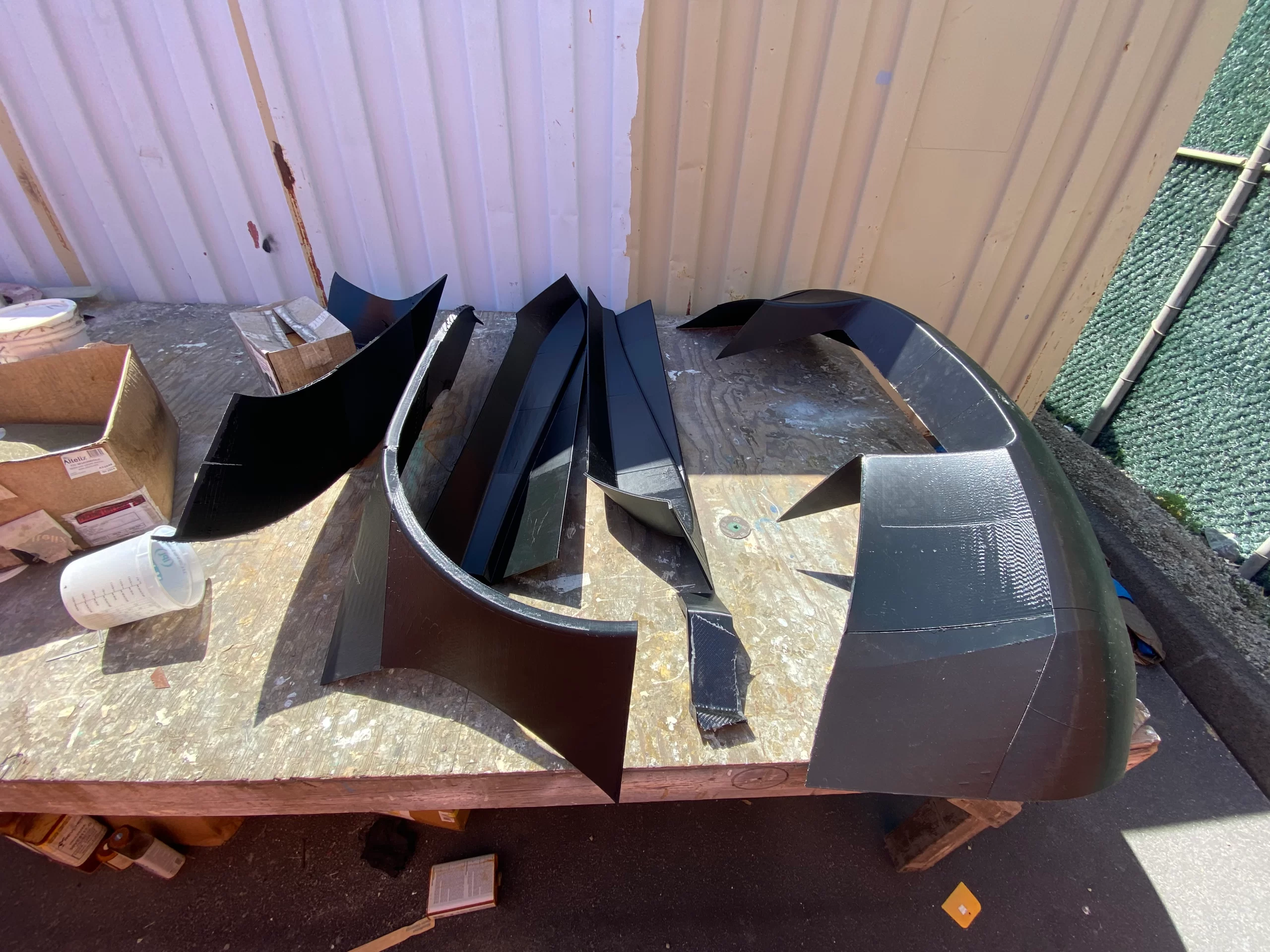
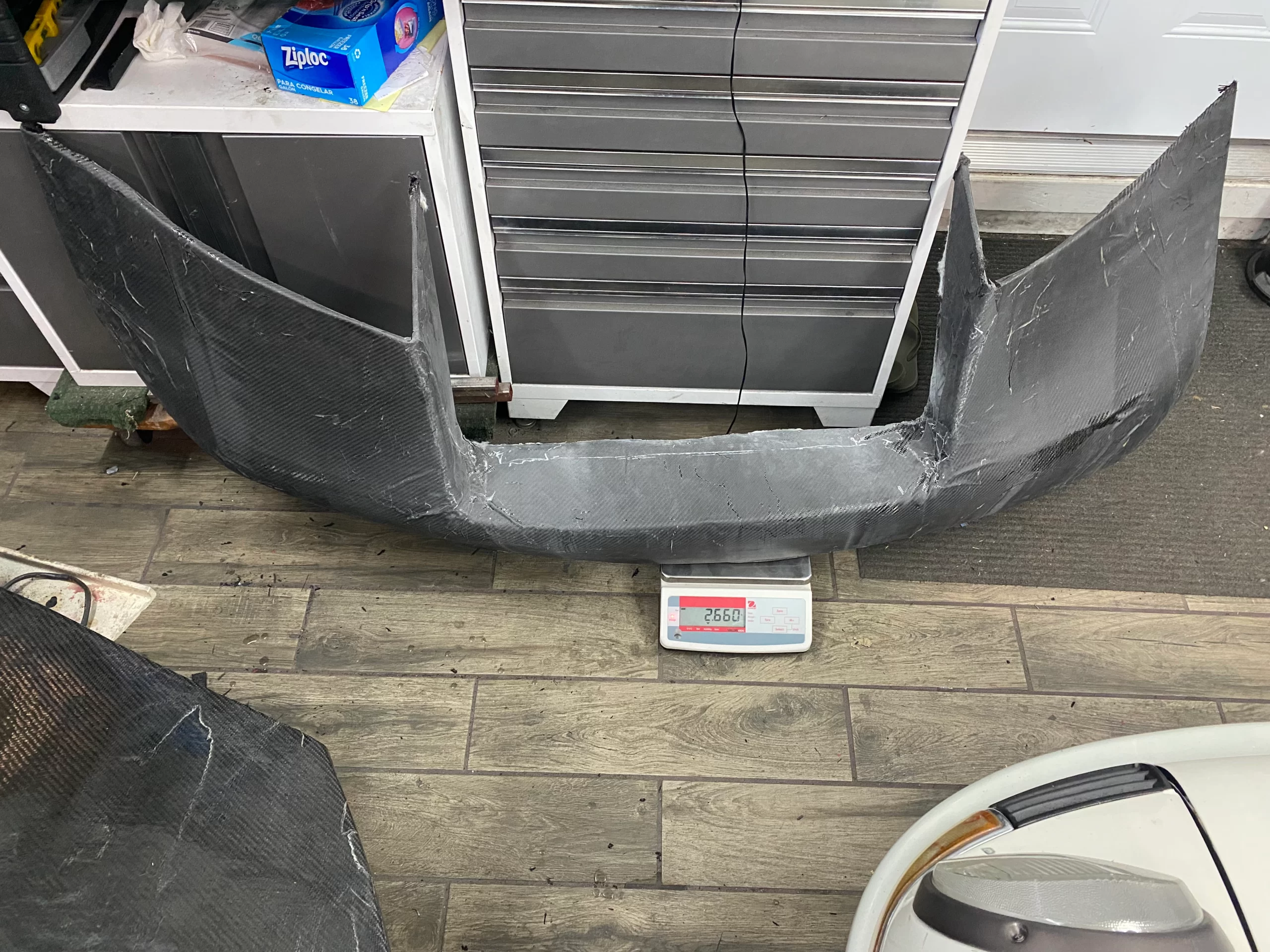
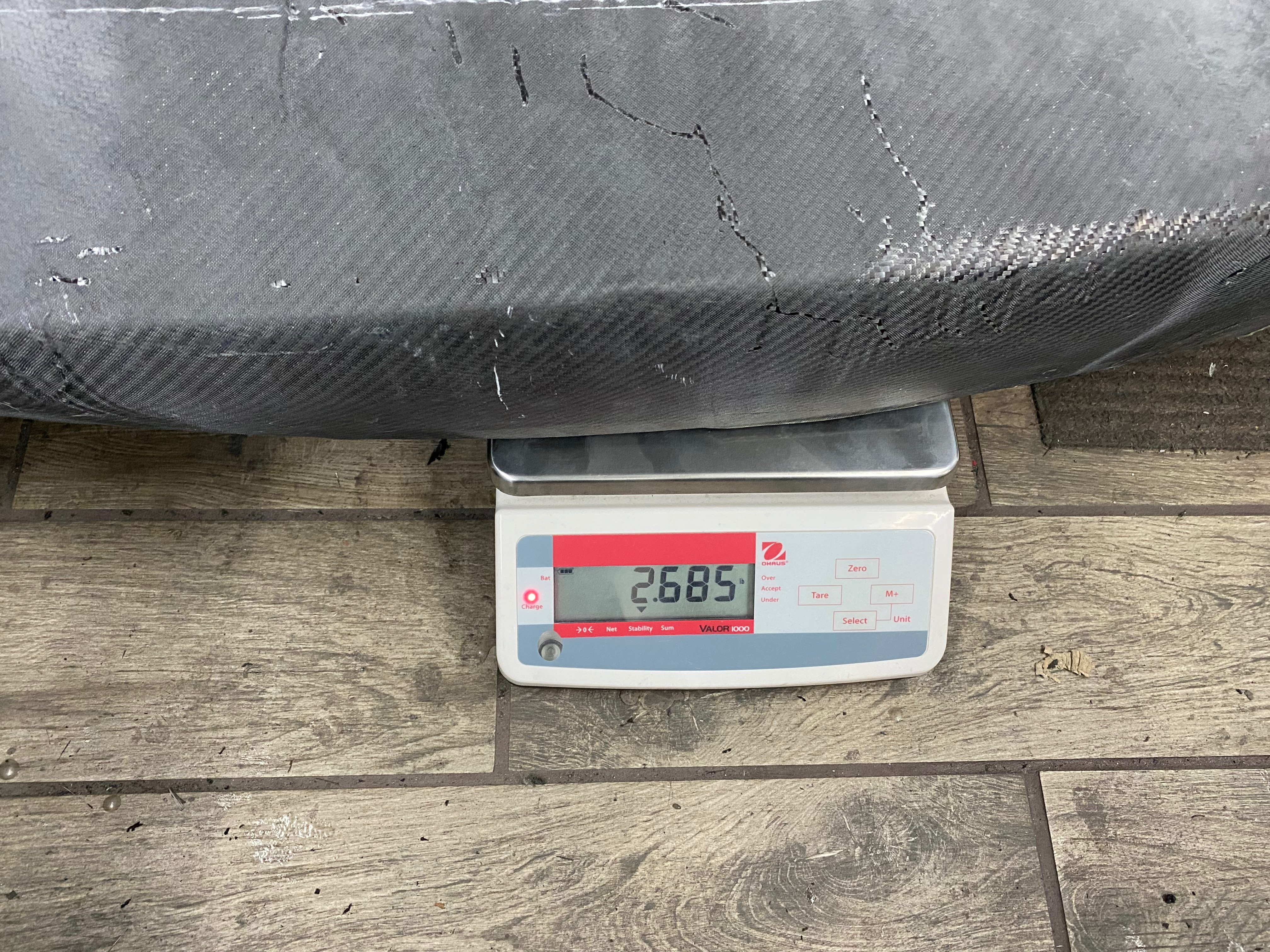
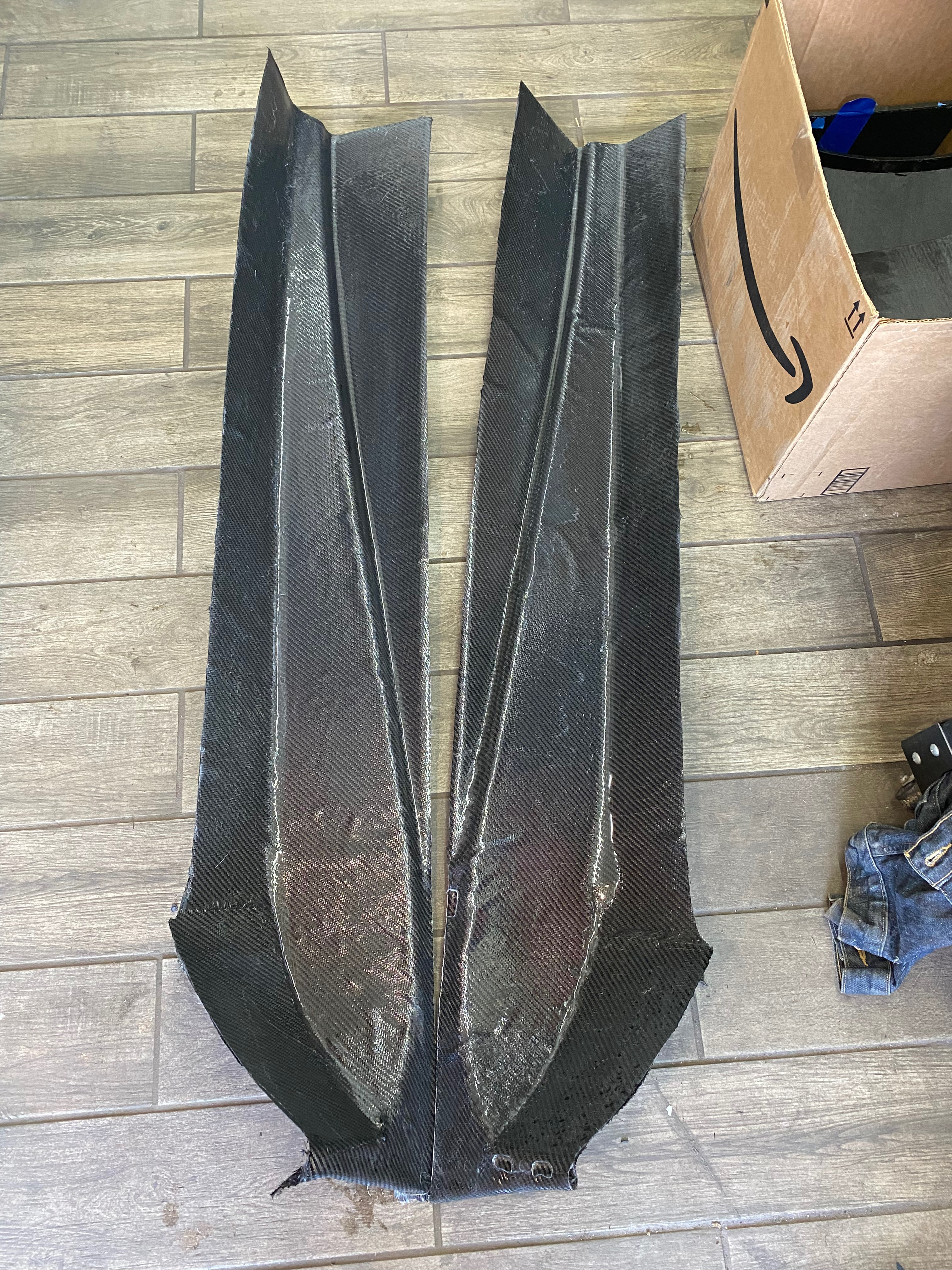
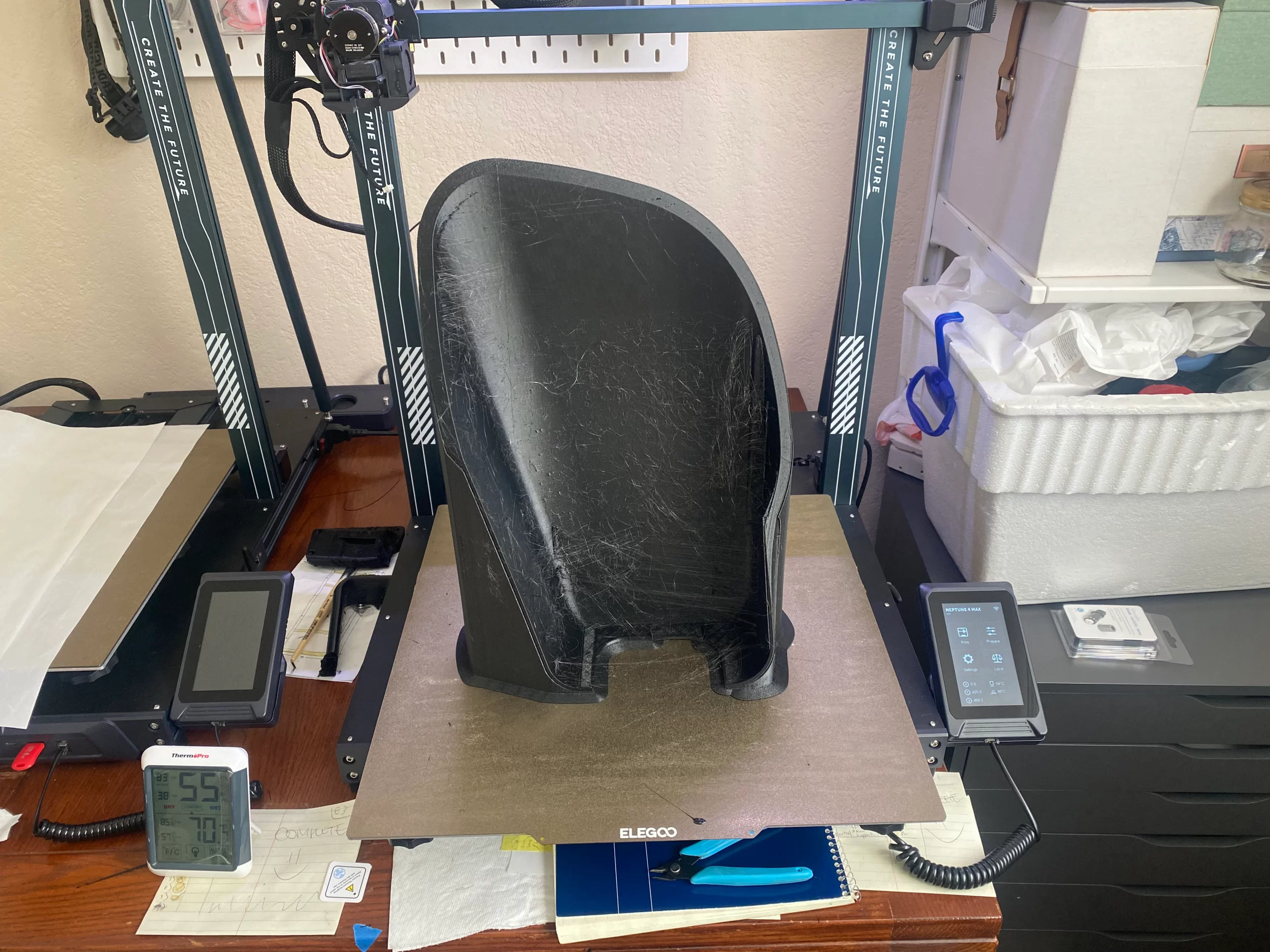
The Body…is a striking concept that deserved to be brought to life. A 3D scanner to scan the 928 body, hours of designs and edits, (5) 3D Printers and countless rolls of PETG Filament to print molds, over 100 yards of carbon fiber and epoxy resin came together to create the design.
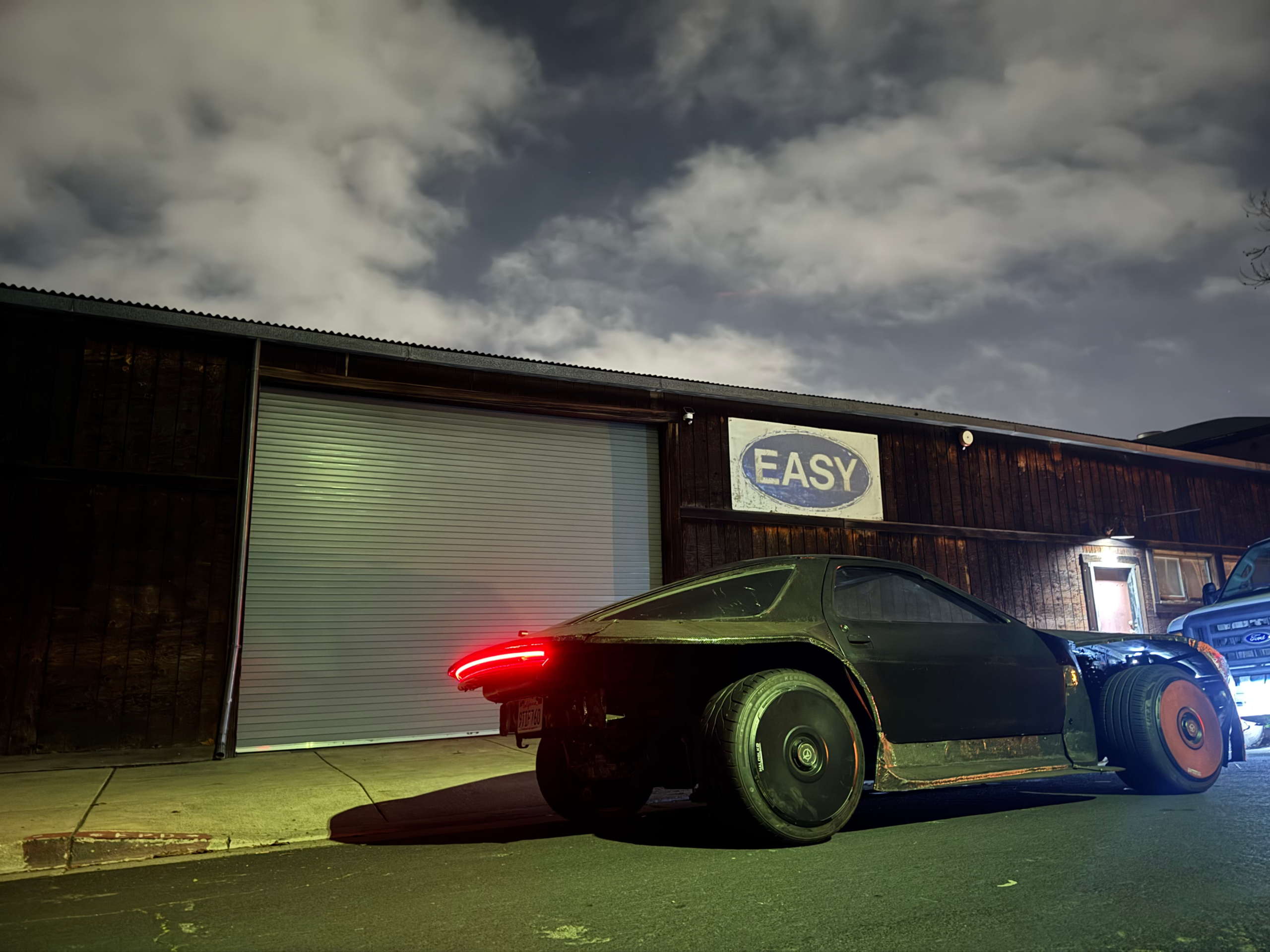
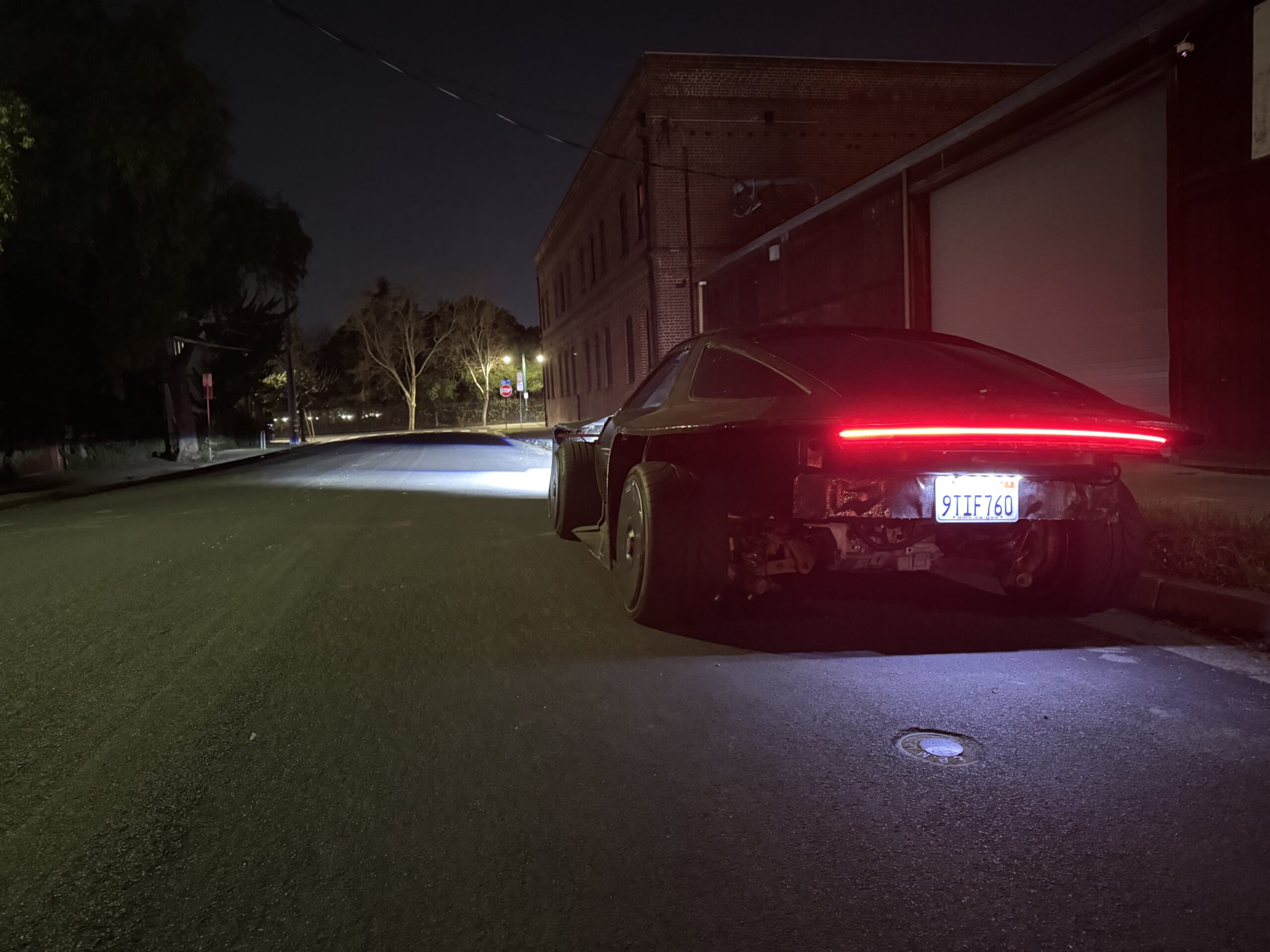
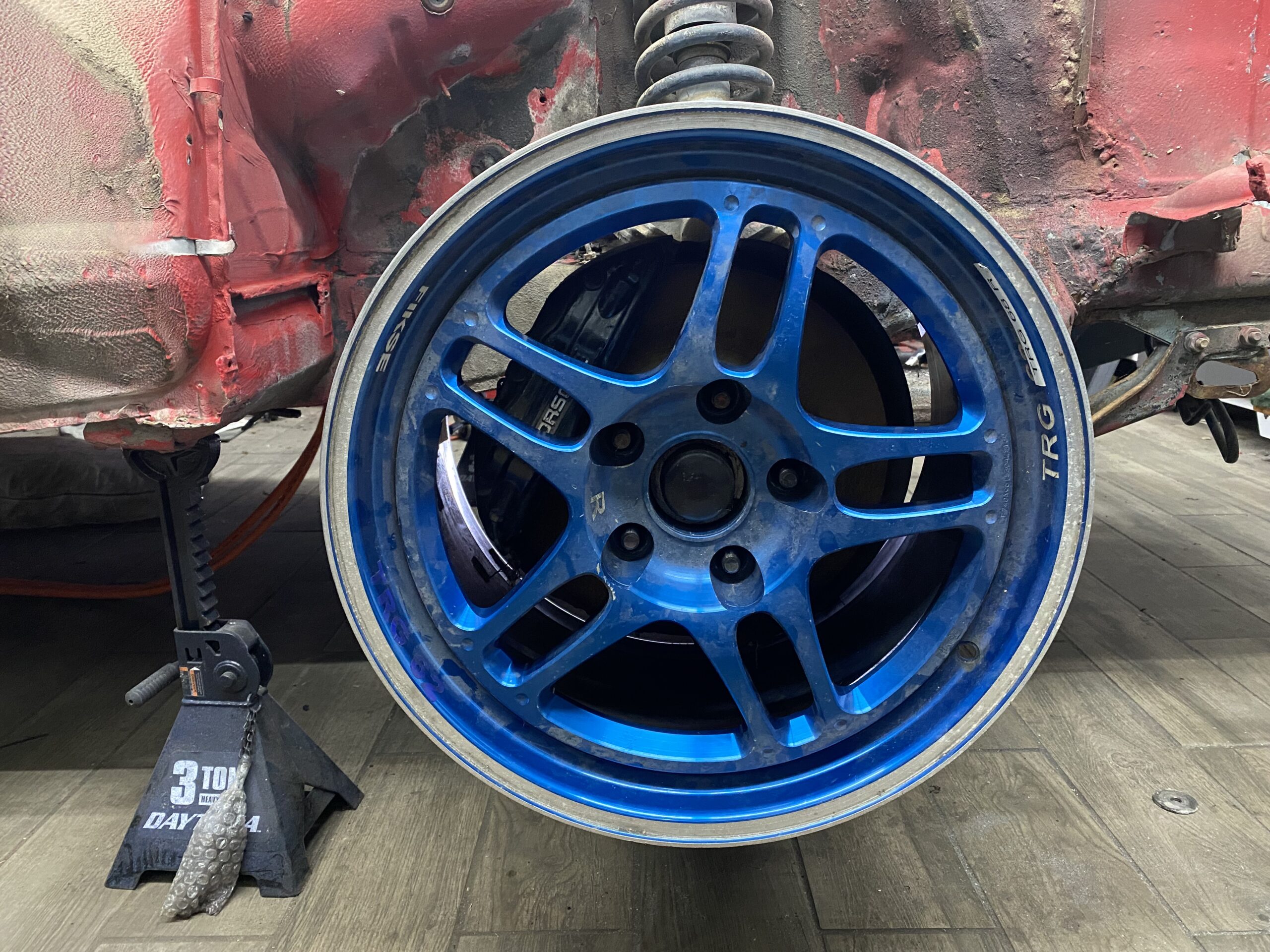
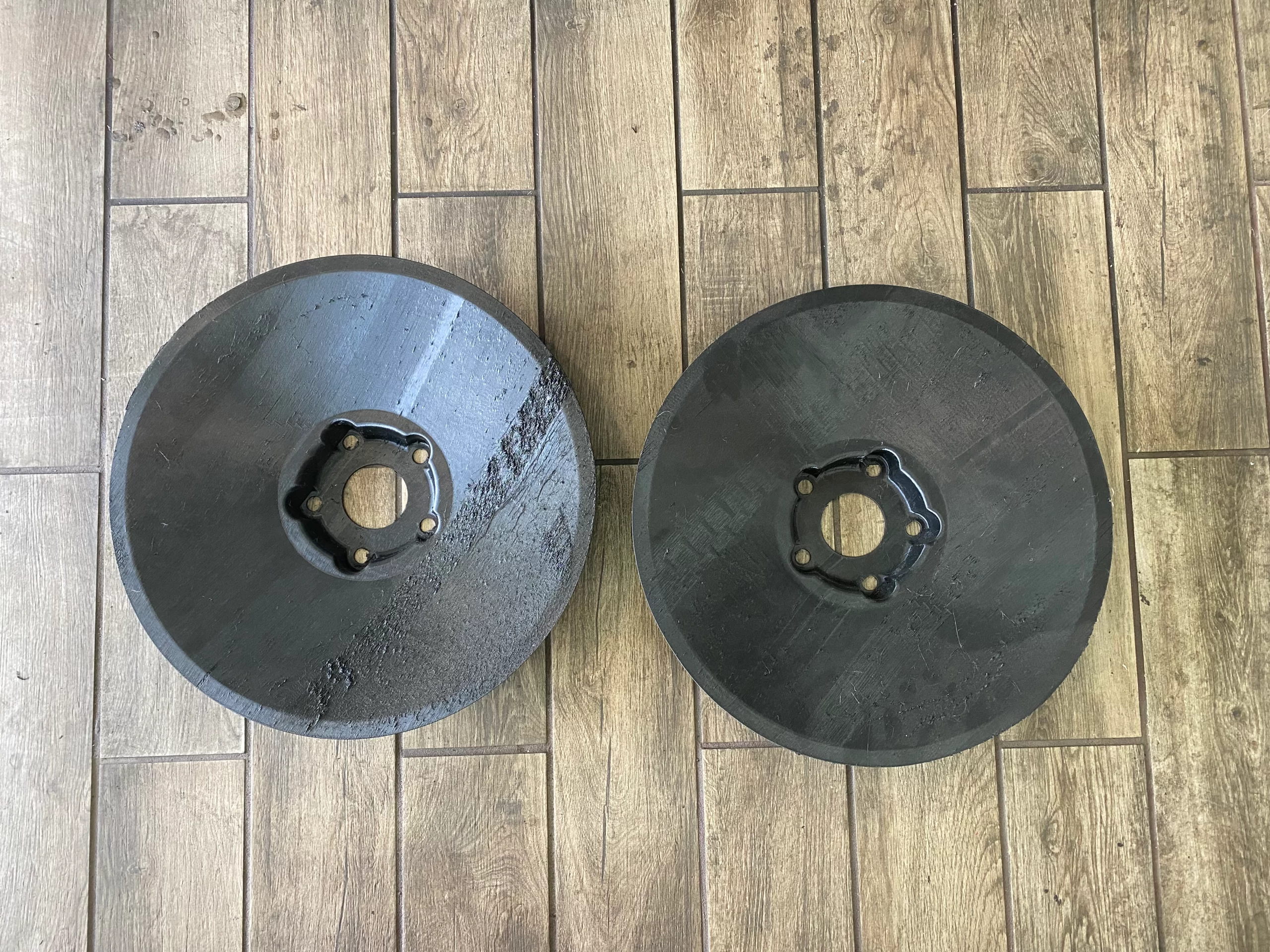
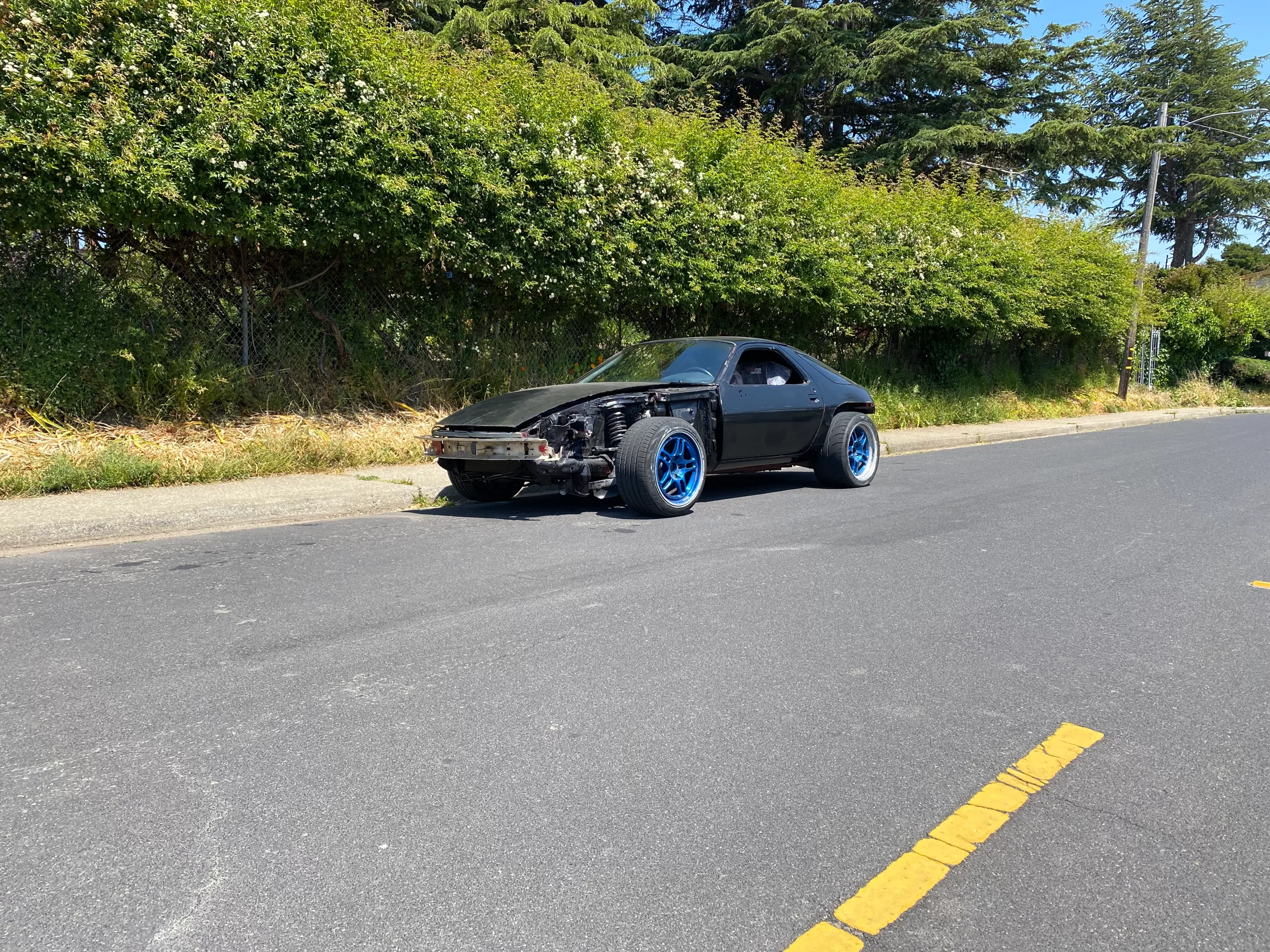
The Wheels…are a lightweight design from a disbanded racing team. The 18×10 / 18×12 with massive tires struggle to fill the arches of the airy fenders. Aerodiscs compliment the wheels using hardware designed on a popular design software and made via 3D printed adapters.
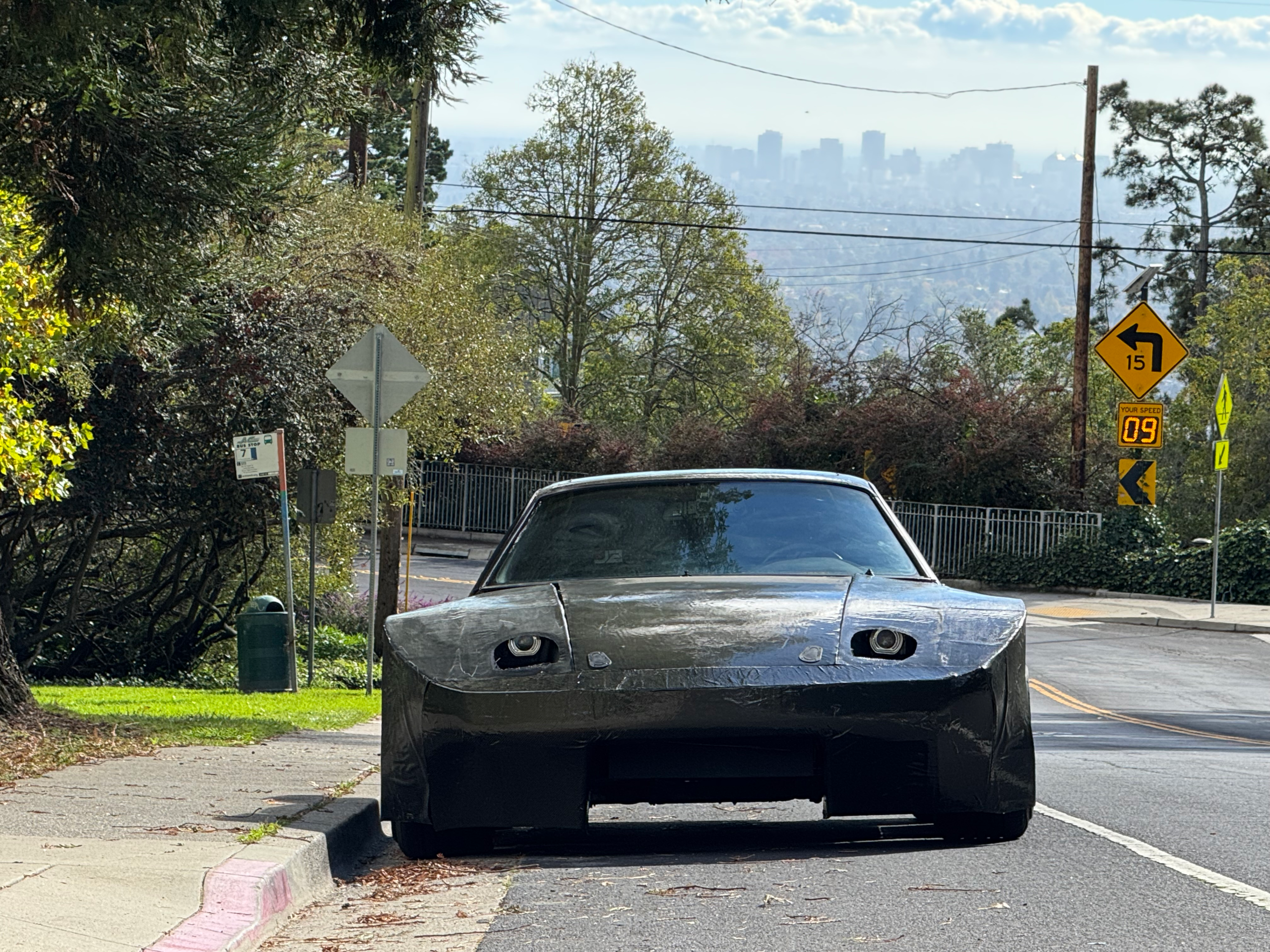
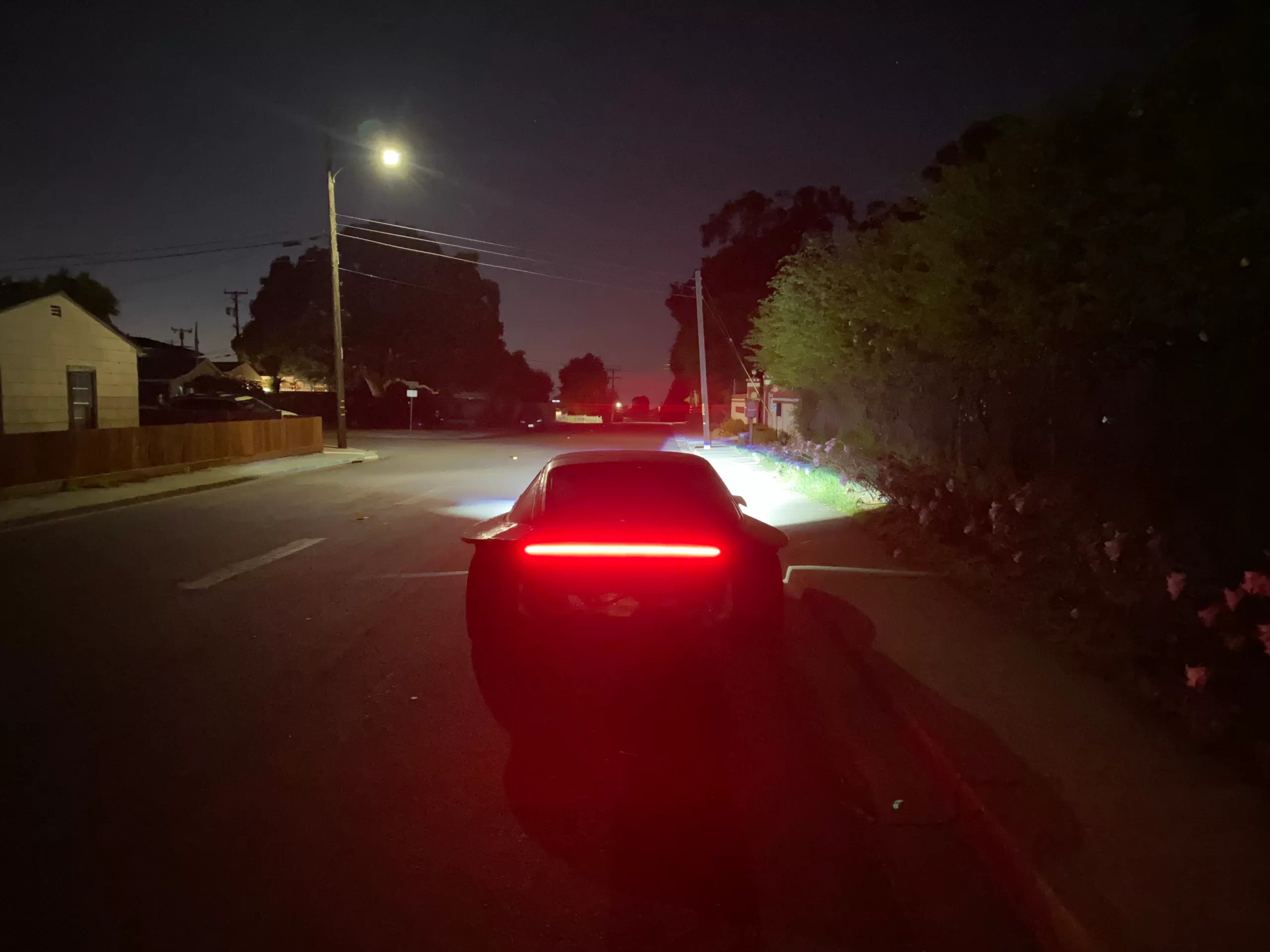
The Headlights…are polarizing; abandoning a signature of the 928 with a modern and sleek design. DOT legal BiLED Laser lights were used to increase light output, reduce weight and align with the design aesthetic.
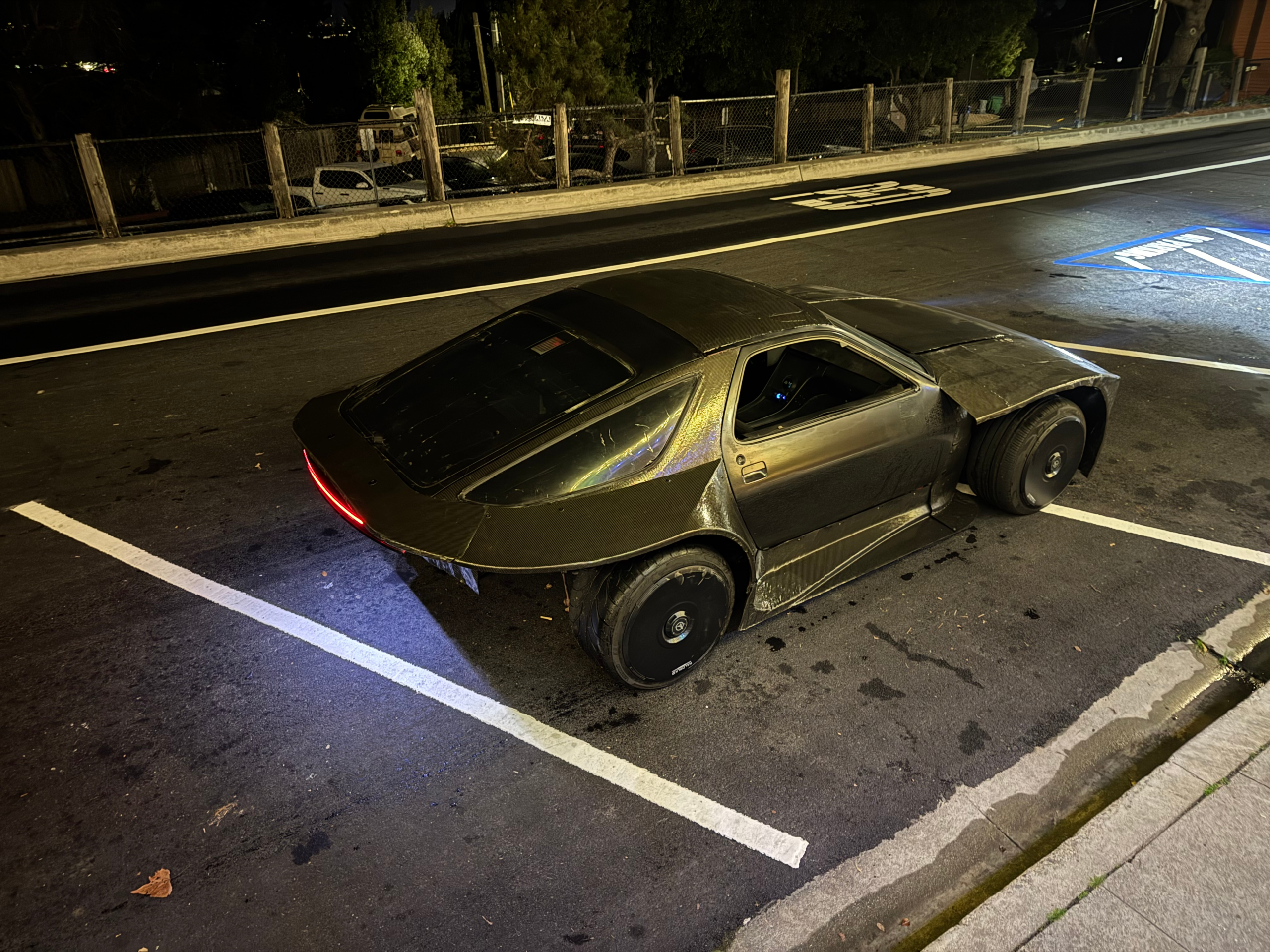
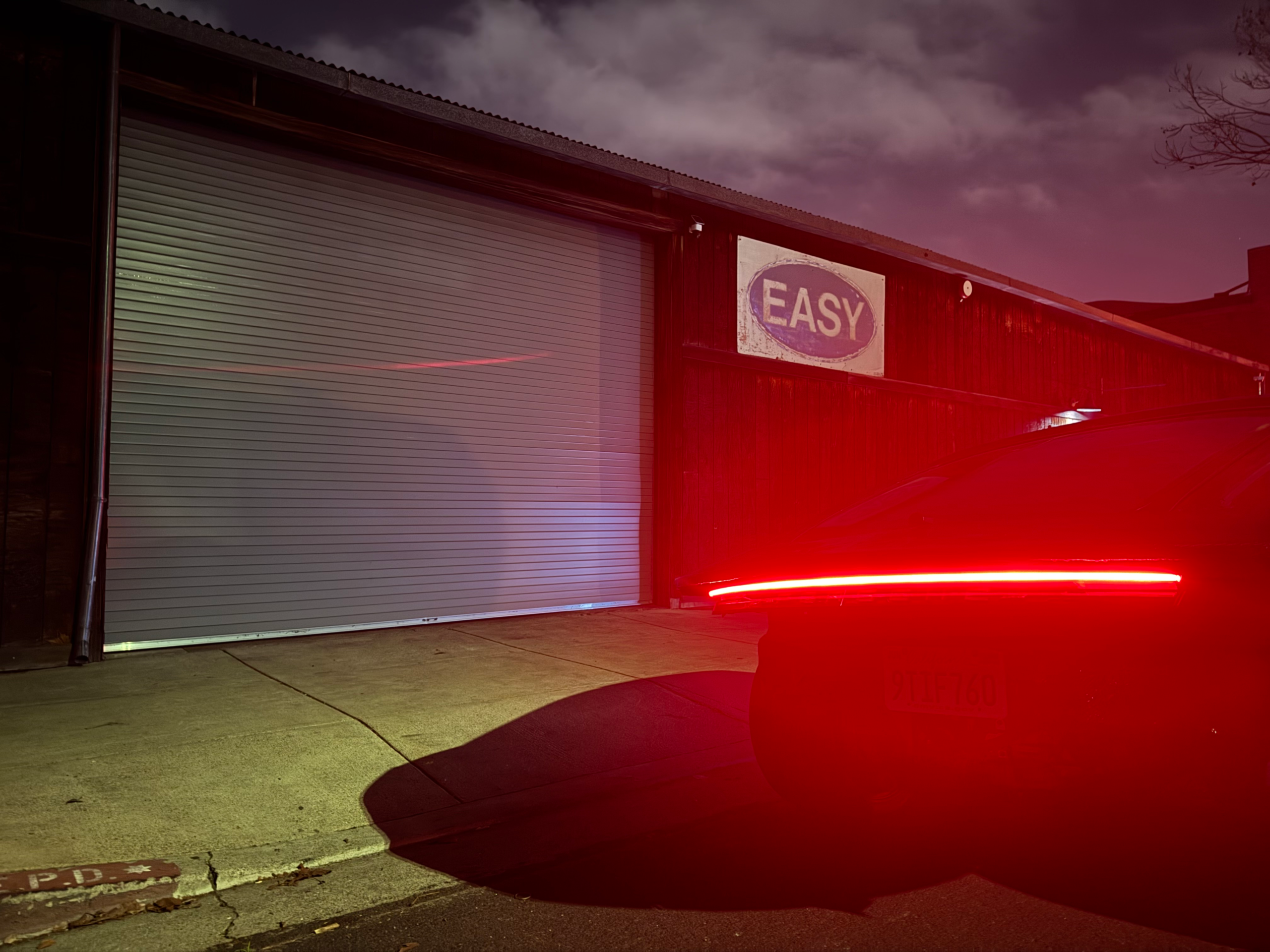
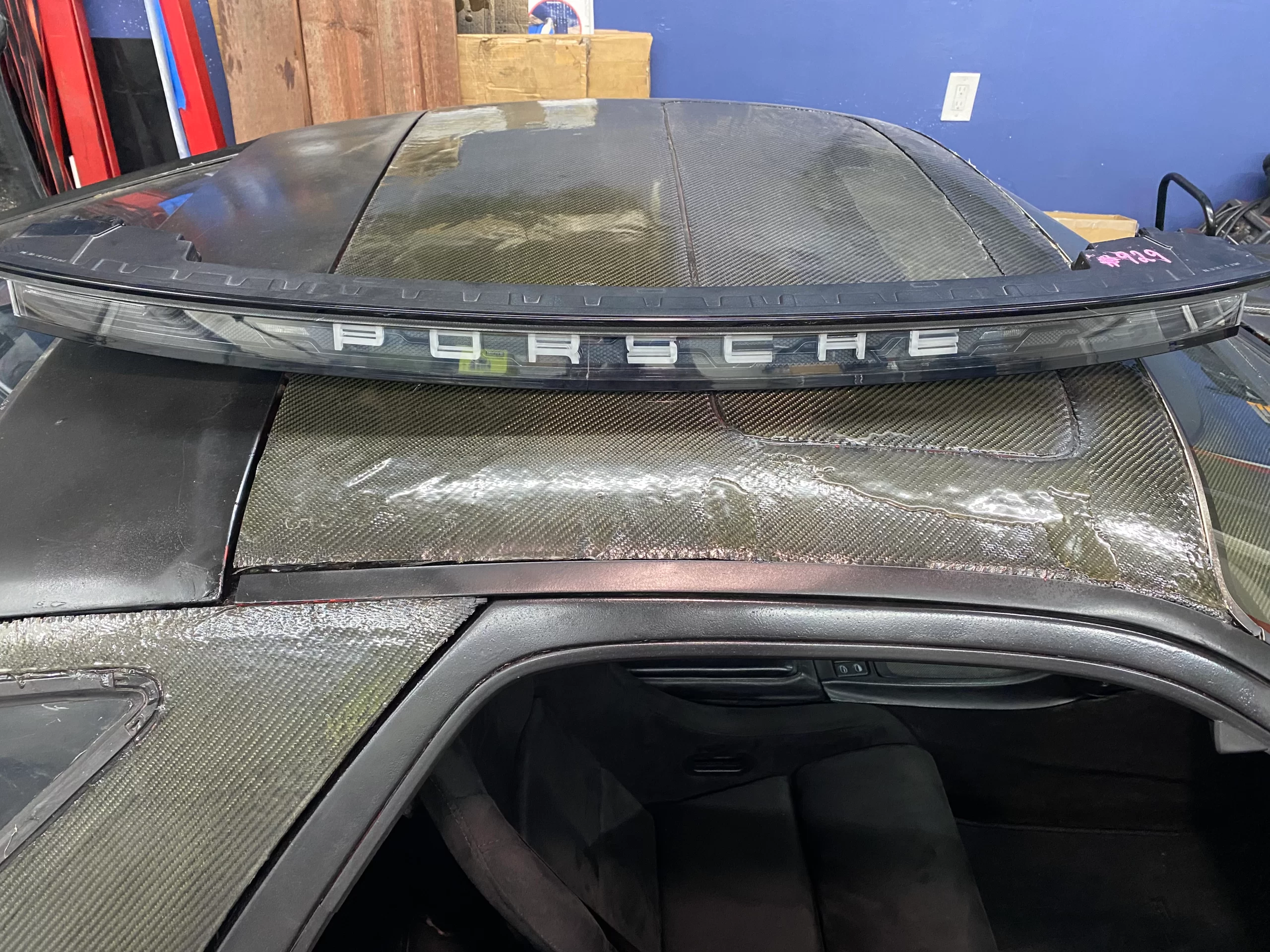
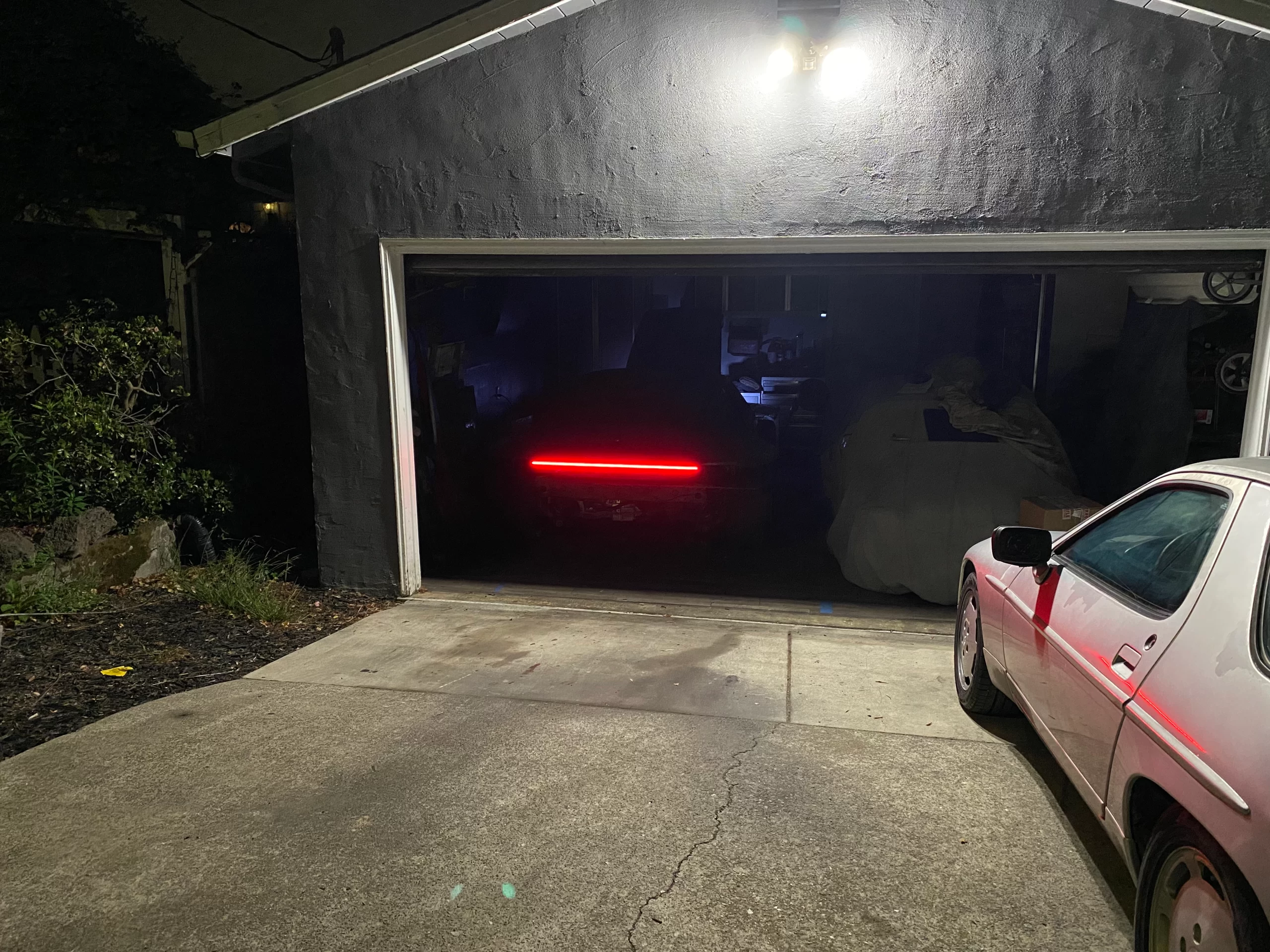
The Taillights…are a nod to the current electric vehicle offerings from Porsche and integrate all needed functions in a simple and elegant package.
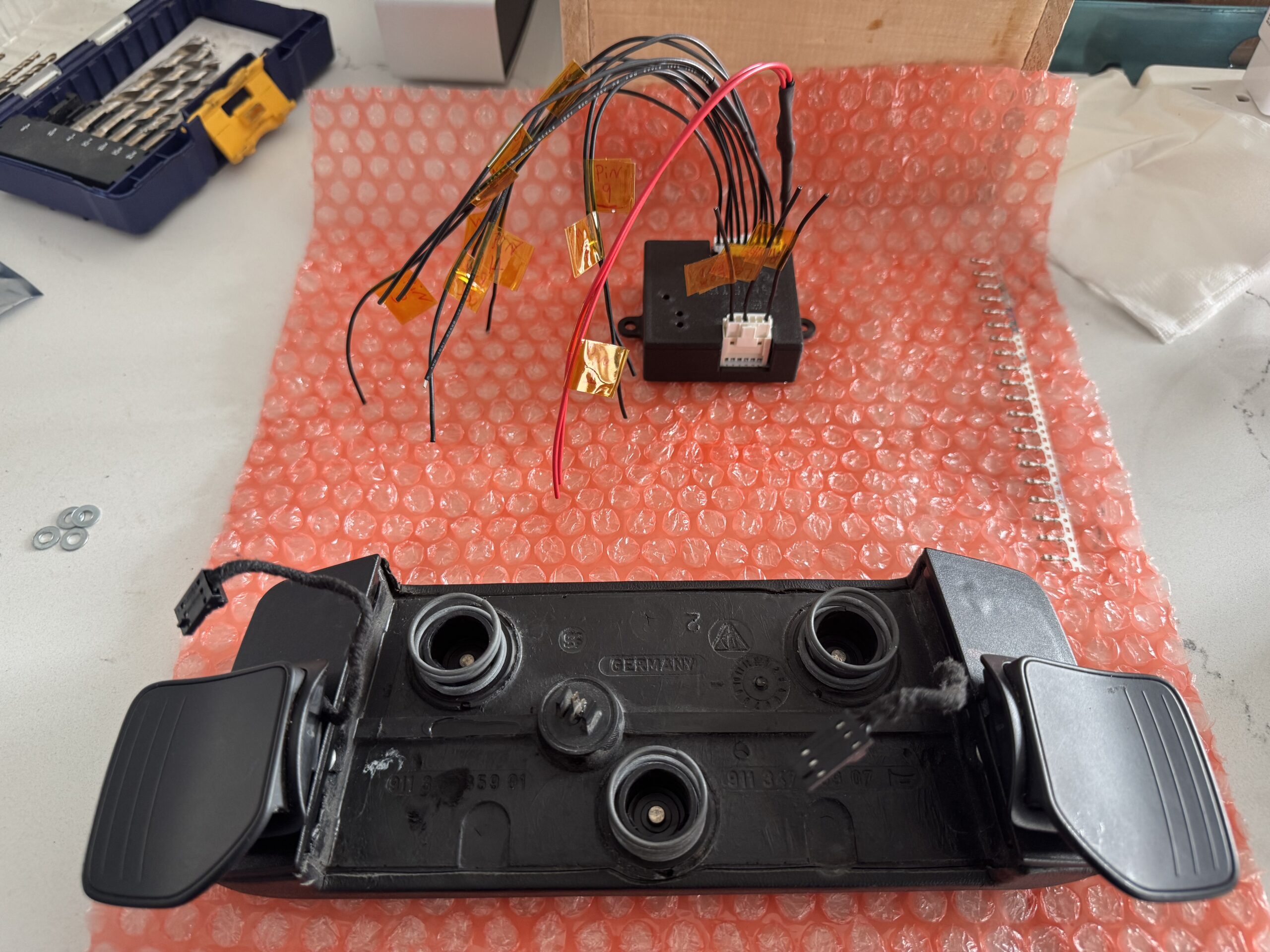
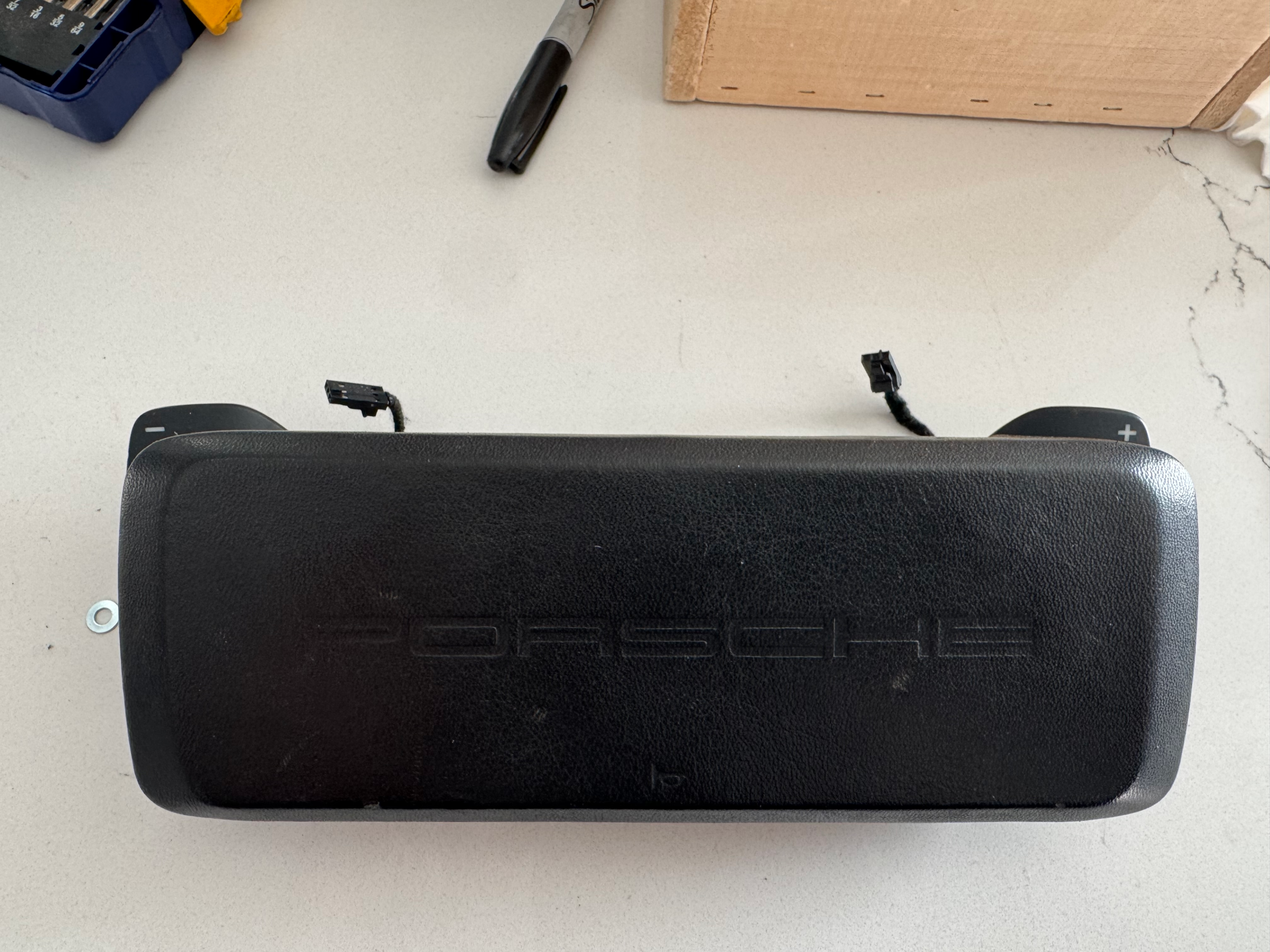
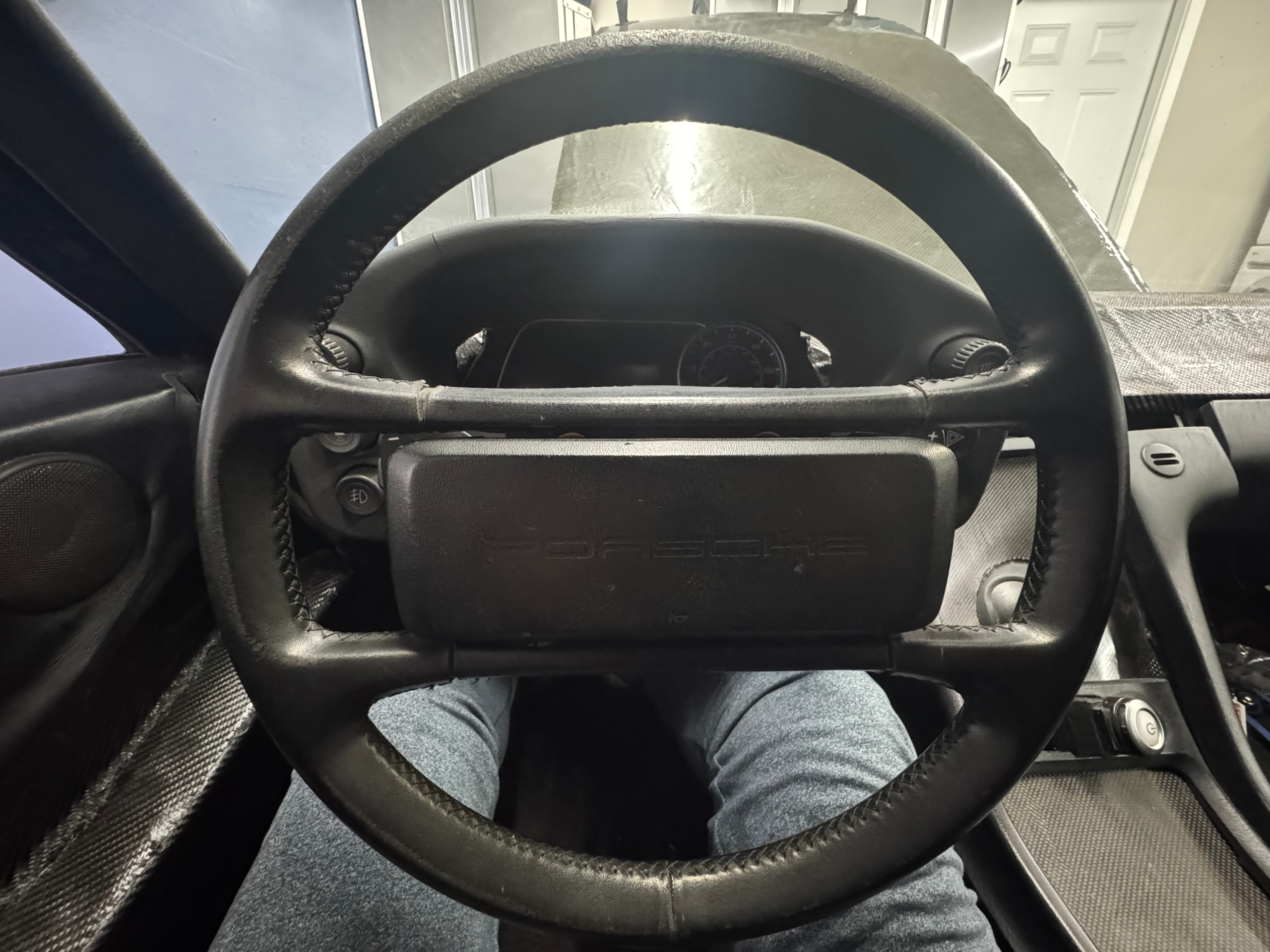
The Interior…is currently a work in progress and will eventually offer lightweight racing seats, full carbon dash, paddle shift actuation (from an accomplished tinkerer), motor compartment divider, appropriate door panels, rear view camera mirror and other street/race inspired touches.
All visions at this point but could I bring this to life?
ELATION
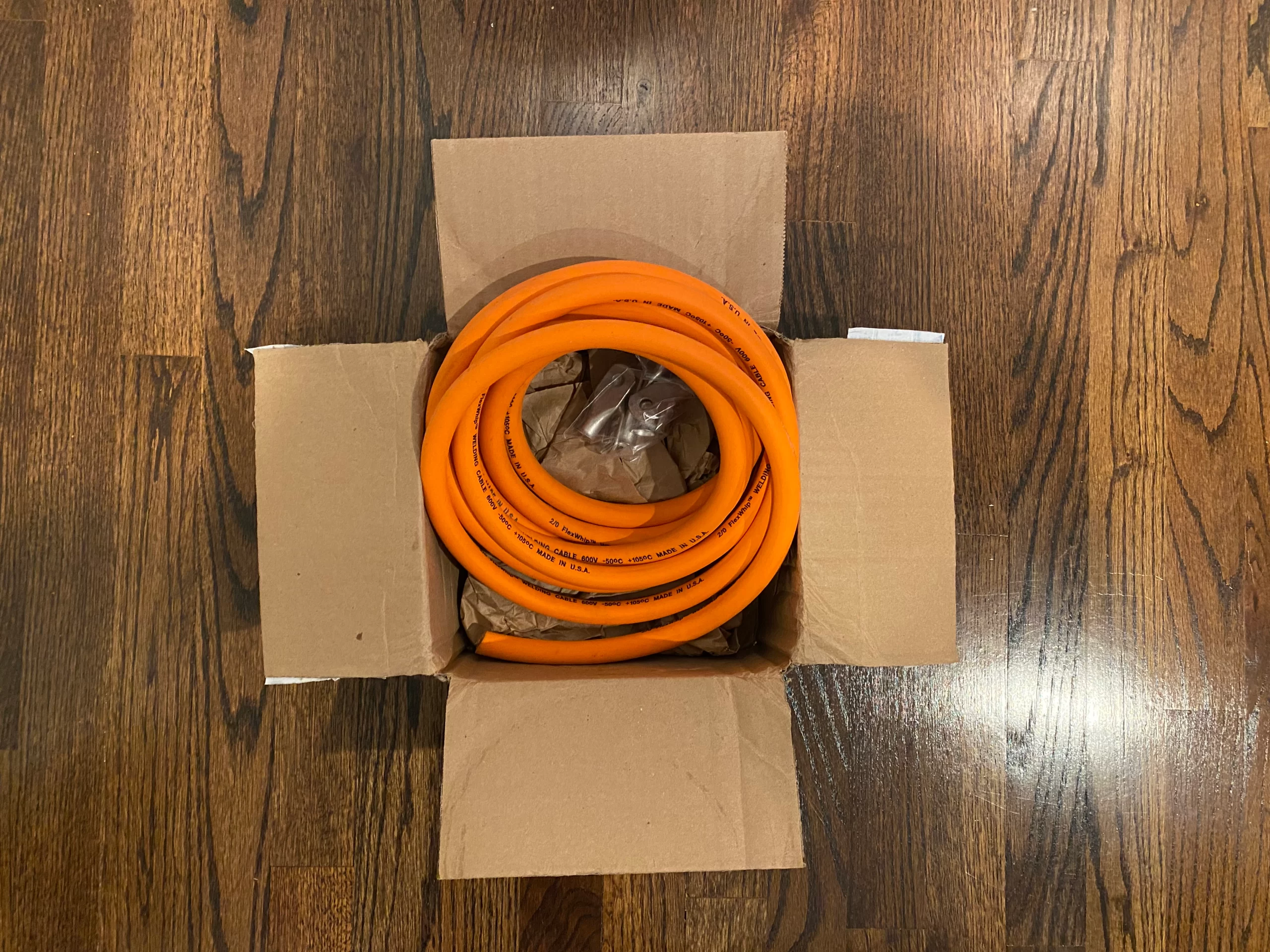
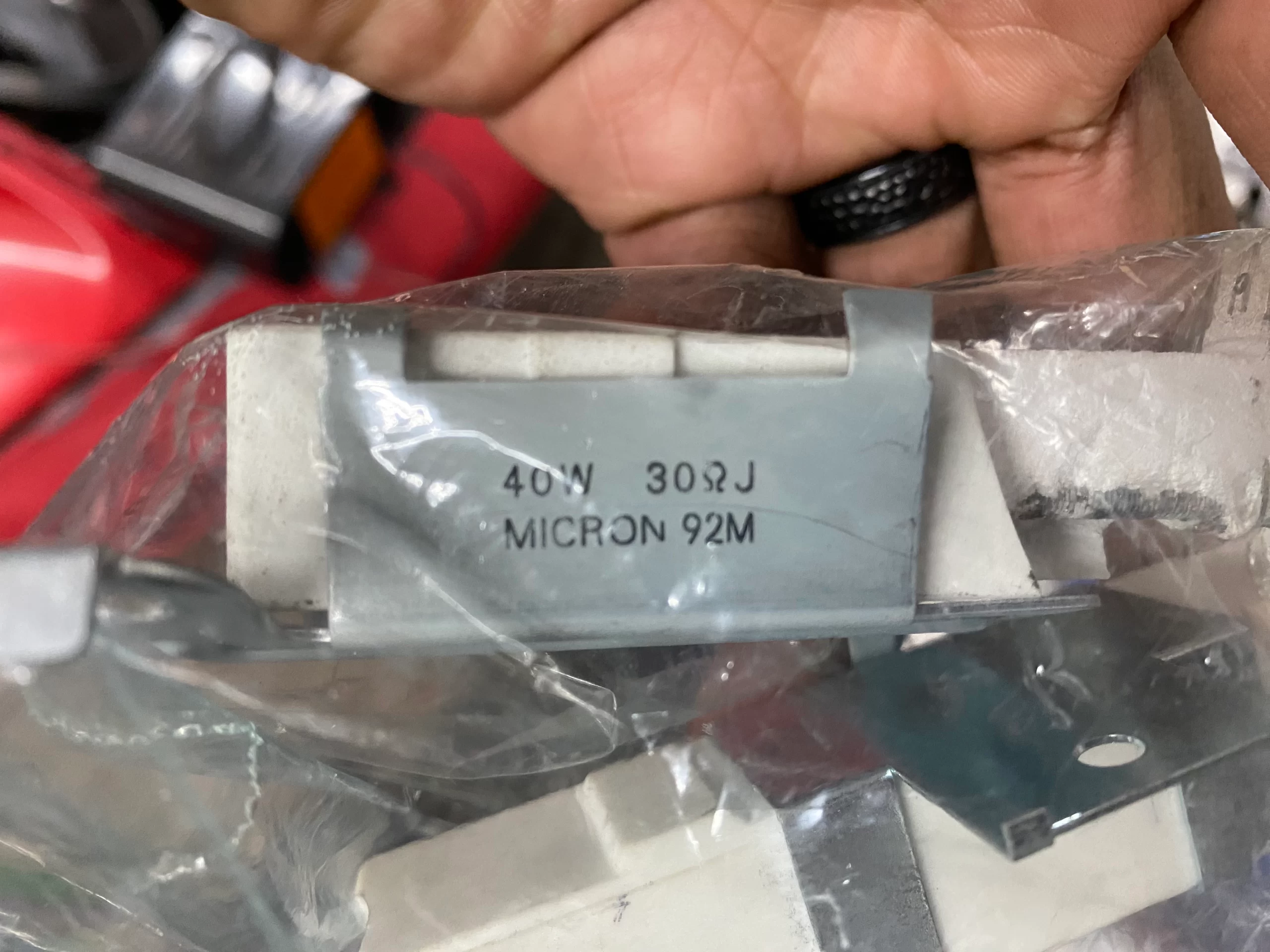
Renewed from the motivation that comes from elegantly answering rhetorical questions, my focus shifted back to resolving the errors that prevented the car from powering on and going into ready/drive mode. A look at the codes focused on the HV Battery and a pre-charge resistor responsible for delaying the build-up of current from closing the contactors. The resistor was replaced, the codes were cleared and a restart ensued. This time, to a large puff of smoke and defeat. I consulted an extremely helpful, knowledgeable and generous team in Connecticut for advice. They pointed me at shielding and yes, grounding, of the high voltage cables. After reconnecting a shielding ground at the end of the HV Cable and replacing another precharge resistor, I paused once more to check all connections.
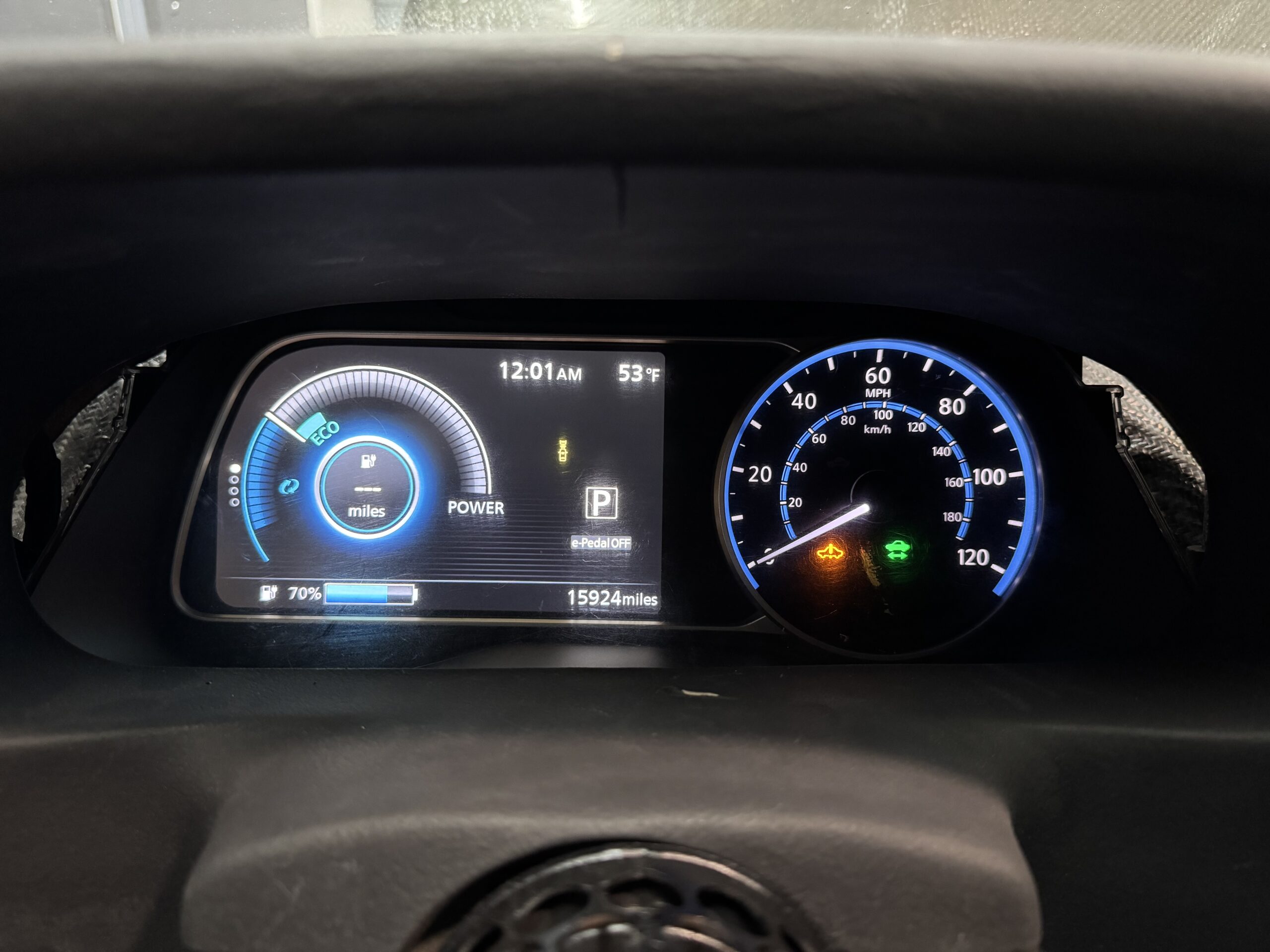
I cautiously reattached the negative battery cable to the 12V battery; listening and watching for sizzles or smoke. All clear. This is good. Let’s Jack up the wheels just incase I got something wrong. Check. Fire Extinguishers ready, check. I again looked at the dash and was greeting with a blinking red security light. All good so far but I’ve been here before. Another beckoning call from the glow of the start button. Maybe a more confident press of the start button this time. As I pressed the button, I was greeting with the same rainbow of colored lights but a different message (in Yellow) flashed this time. “Press Brake and push engine switch to start”. This was new. I pressed the brake pedal and pushed the button. Clickaty, Click Click, Snap! Were those the contactors!?! I heard relays but those were definitely the contactors I said out loud. On the dash appears a single, bright green car underscored with arrows pointing in both directions. READY MODE at last!!! Lets GoooOOOoOOOo! Is anything smoking? Burning? Sniff Sniff. No fire, no smoke, no problems. Will it shift into drive? Snap of the loud parking actuator! Yes! It goes into drive!!! The wheels are spinning!!! Will it take Throttle!?! Yess!!!! But what’s that banging noise?!?! Quick Back to Neutral/Park.
'round we...go! Body Body Body
So it Spins. It goes into drive, neutral and reverse. It didn’t catch fire. We’re ahead of schedule. But now the real work begins.
The banging noise was concerning but turned out to be a loose driveshaft. Thankfully, an easy fix. A battery box that is lightweight and resistant to the elements would be first. Routing the HV Lines away from essential components and sorting, organizing and tidying the low voltage lines would be next. Identifying non-essential modules, components and wiring that would still allow the car to move quickly made me realized I’d been too overzealous in extracting the Nissan Leaf items from the donor car. While it moved. I realized I could’ve taken much more care…but onwards.
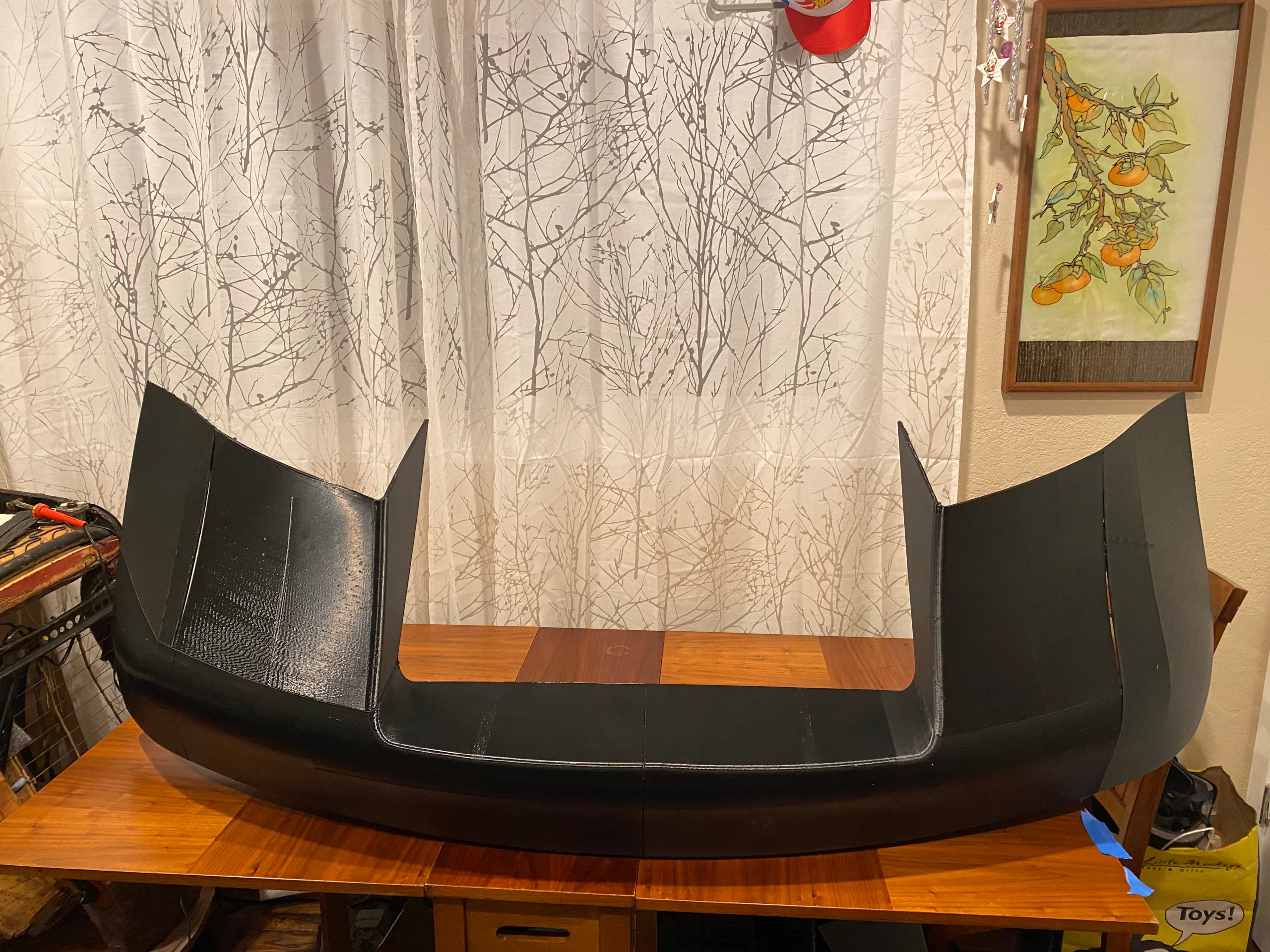
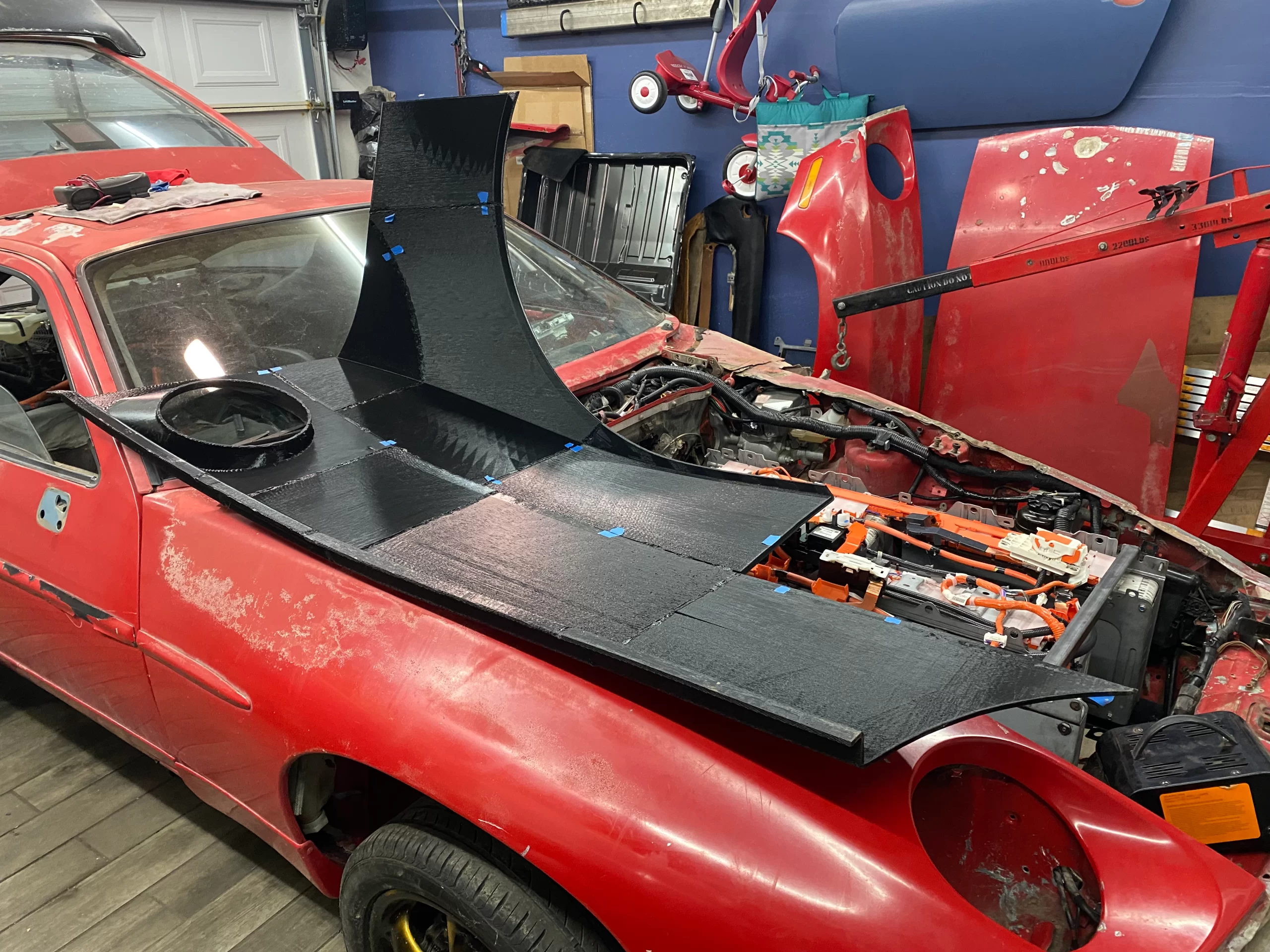
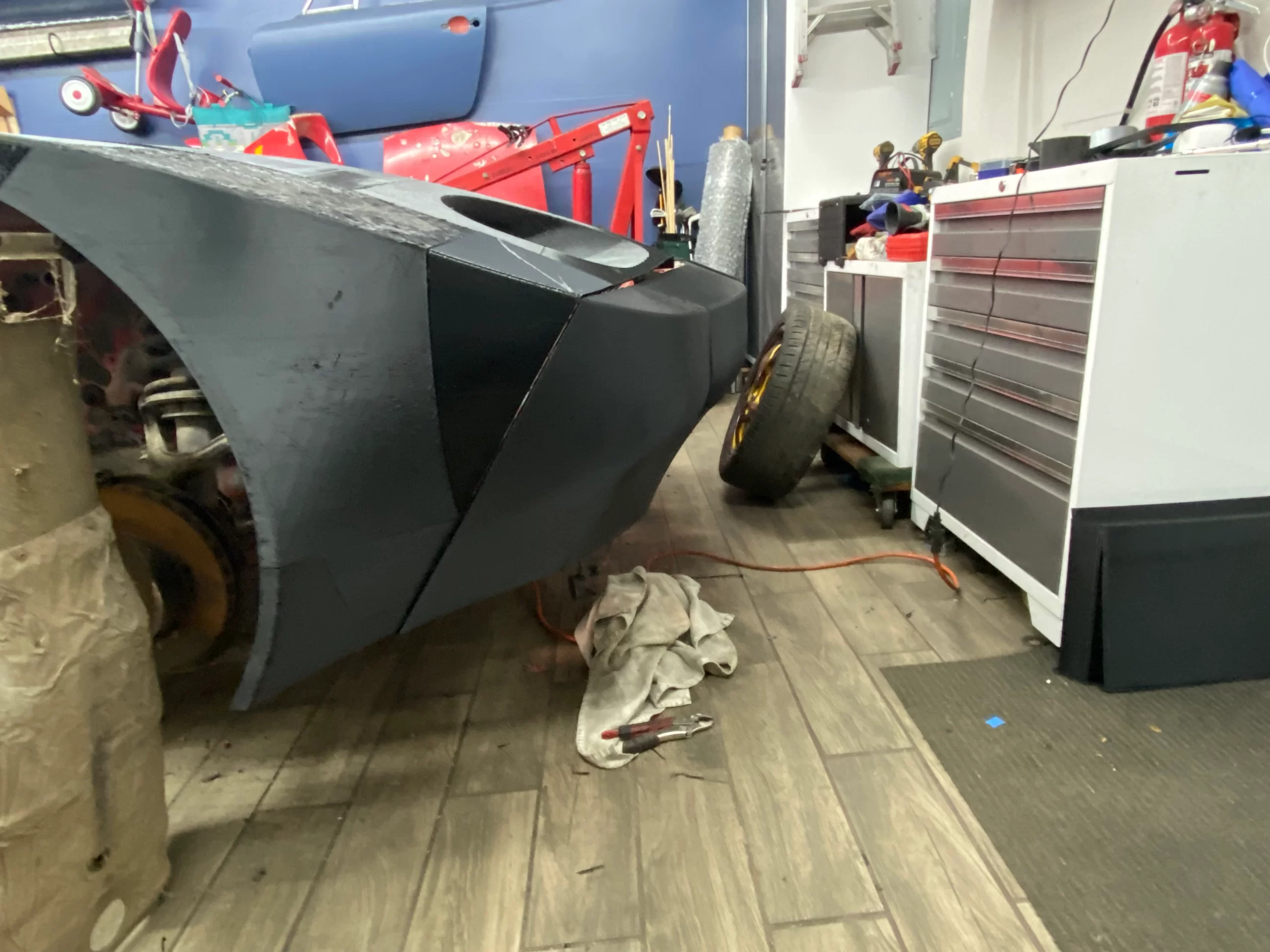
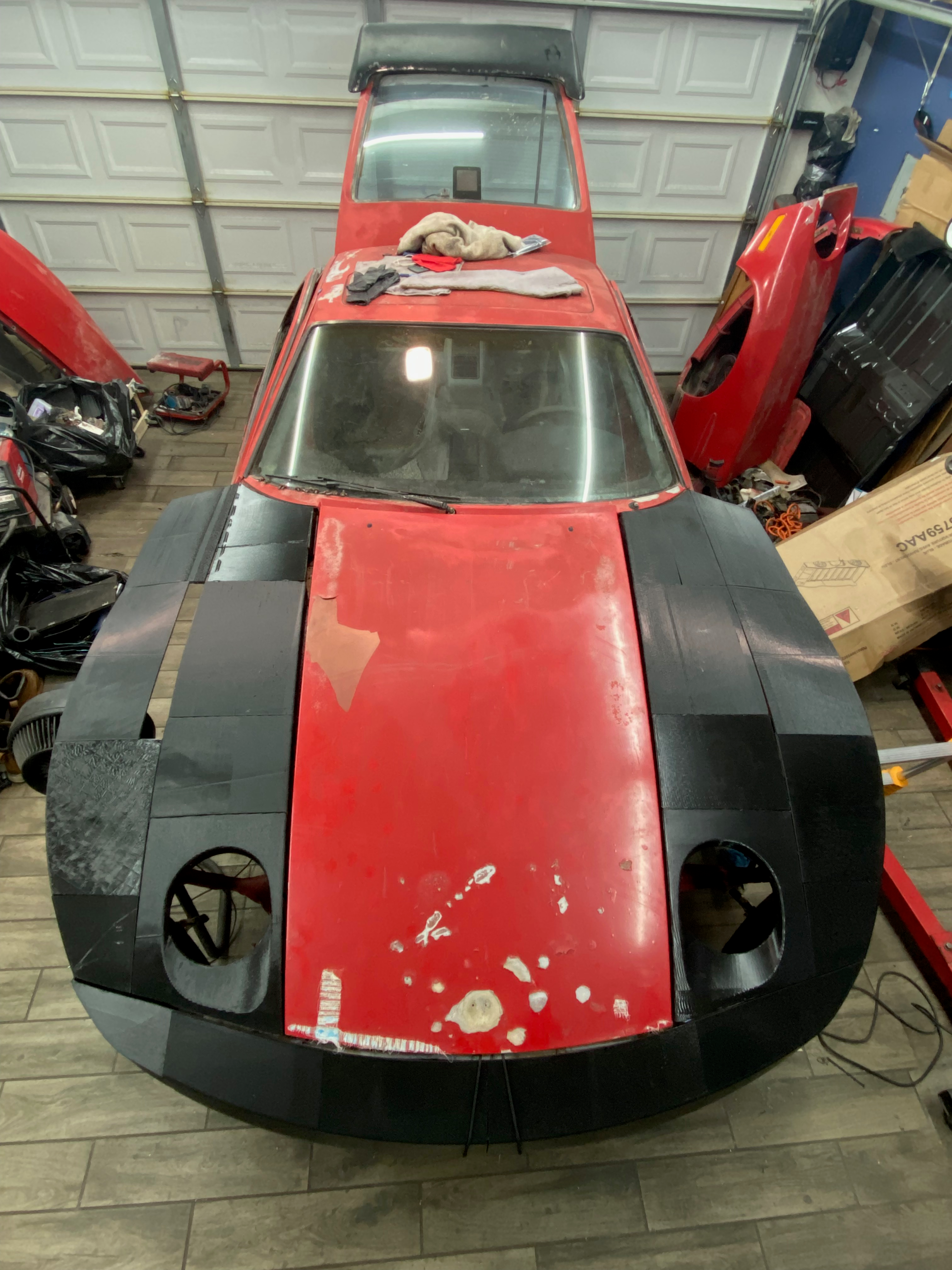
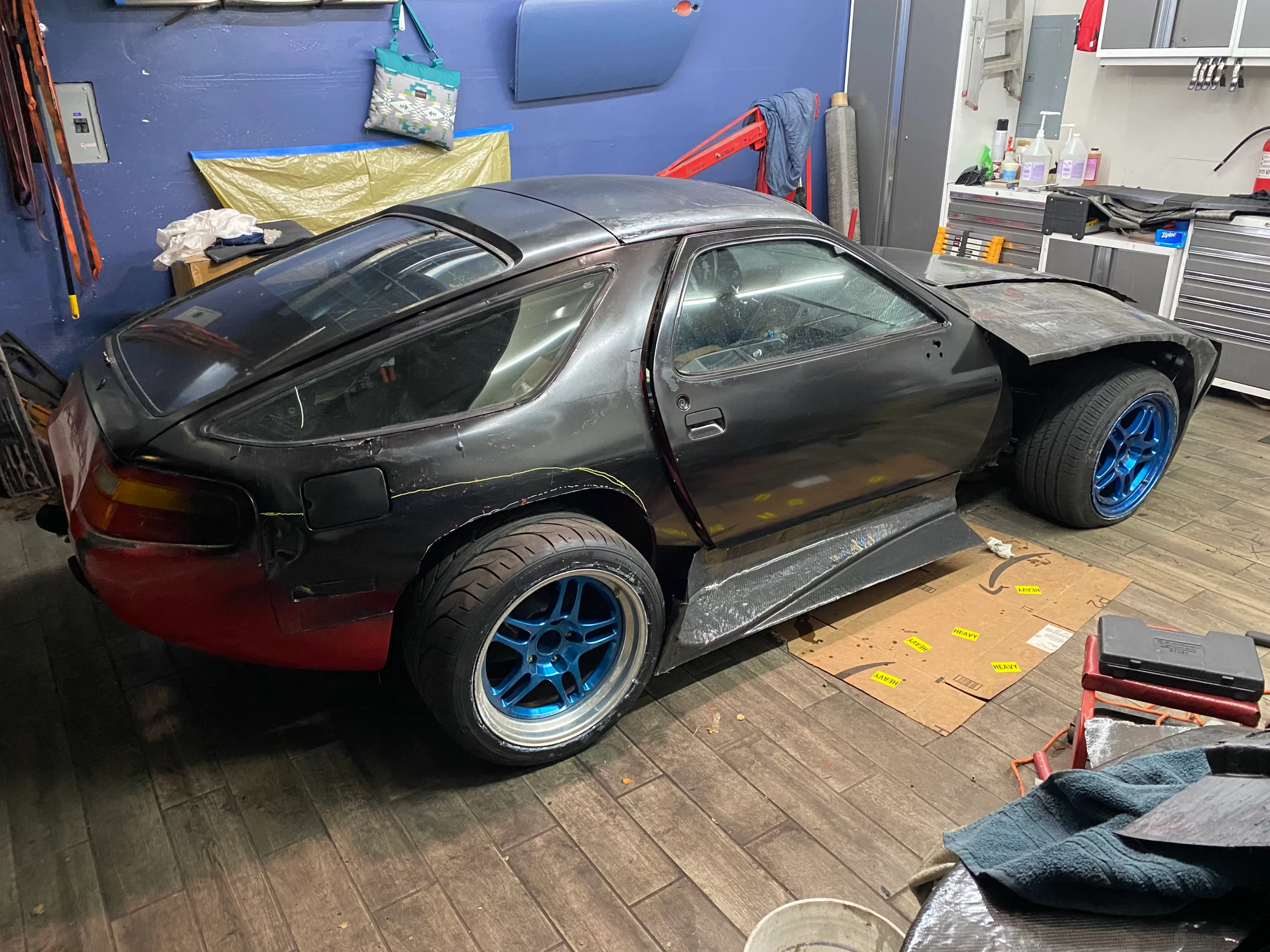
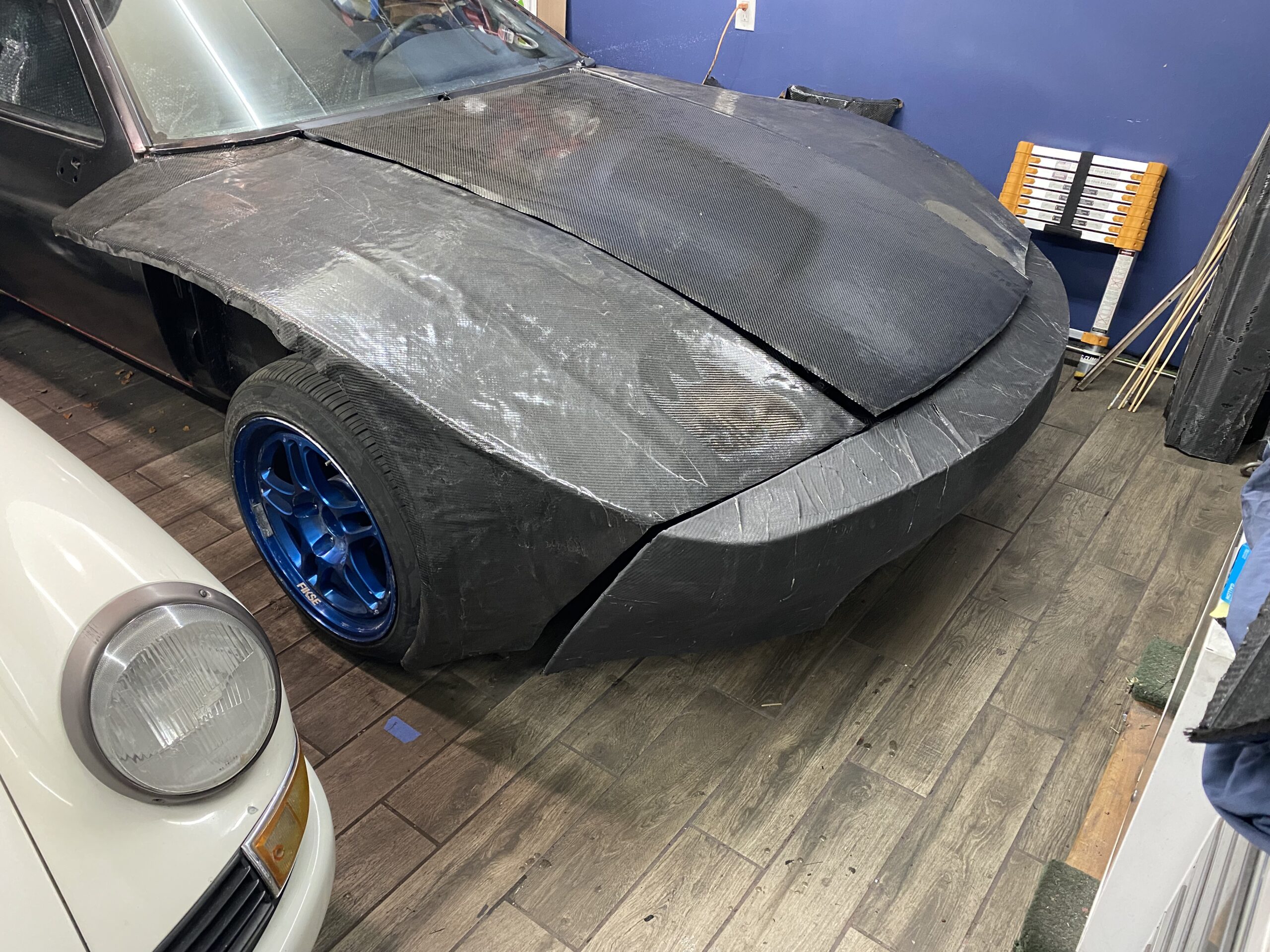
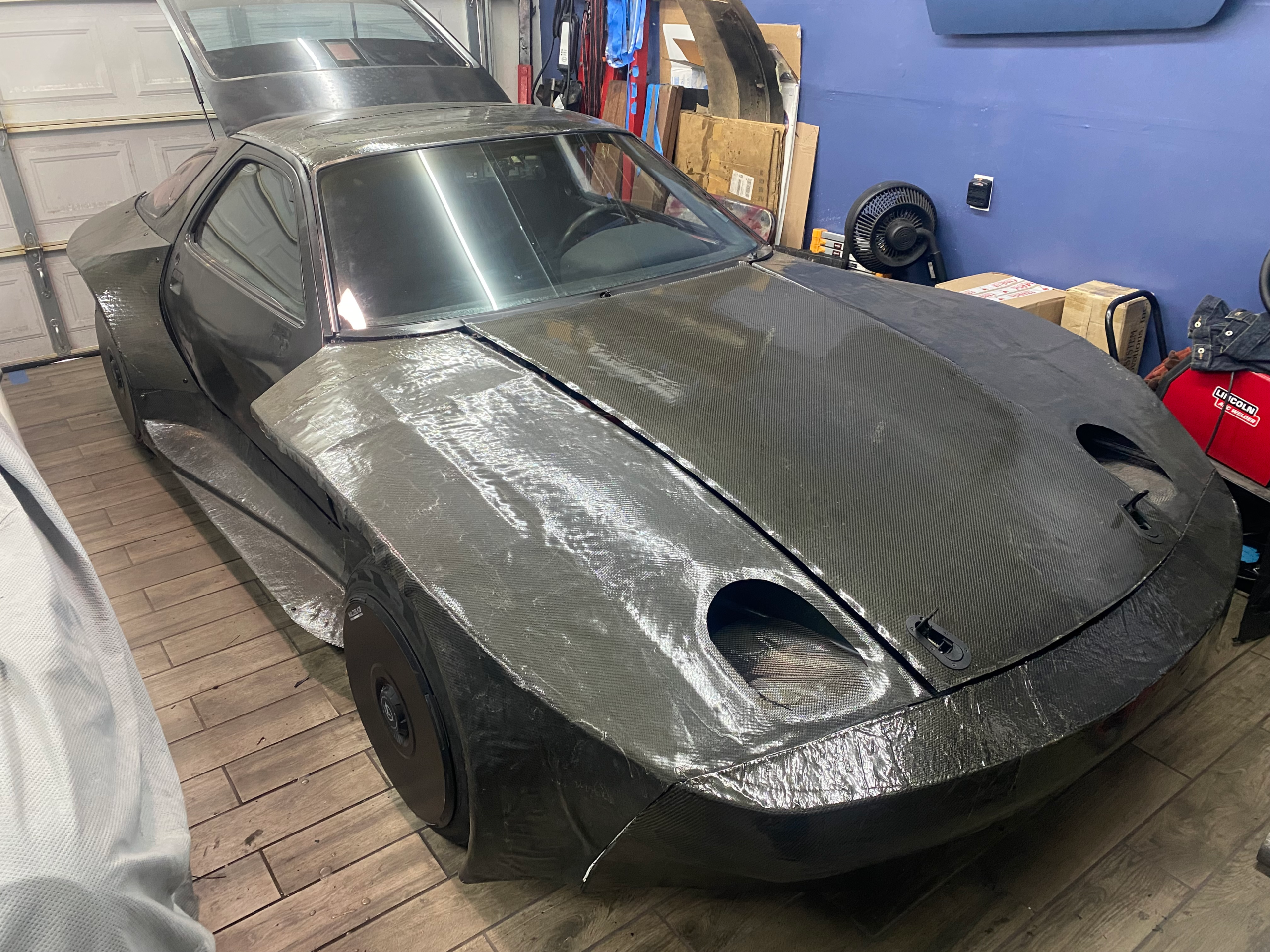
My attention shifted to the aesthetics and answering the questions I asked myself above. A very talented designed and tinkerer Rayan Benziane created a concept 928 that deserved to be brought to life. A full scan of car and various dimensions allowed a prototype kit to be fashioned digitally. The digital design was transferred to a printable format and directly to 3D printers. Over the course of months, the panels were finally complete and ready to be seamed together. The front bumper and fenders were first giving the front of the car a dramatic change but not unrecognizable. They fit the car remarkable well; a testament to the design and considerations made by Rayan. Finding wheels to fit the car was also a challenge but one that was overcome with Lightweight 18X10 and 18×12 Spec GT3 Cup Racing Wheels. It was starting to take shape.
Yes We Can
Progress was in process.
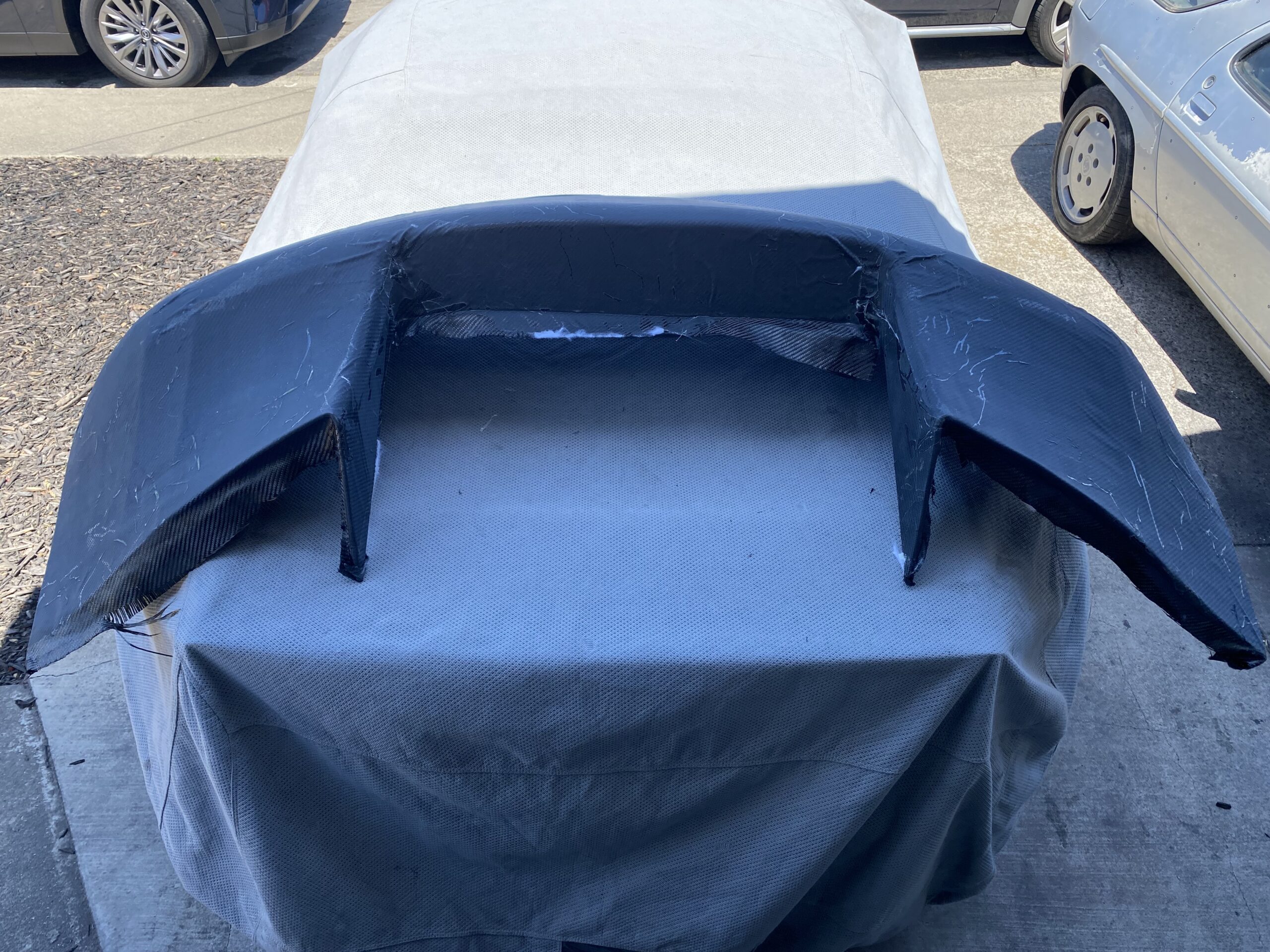
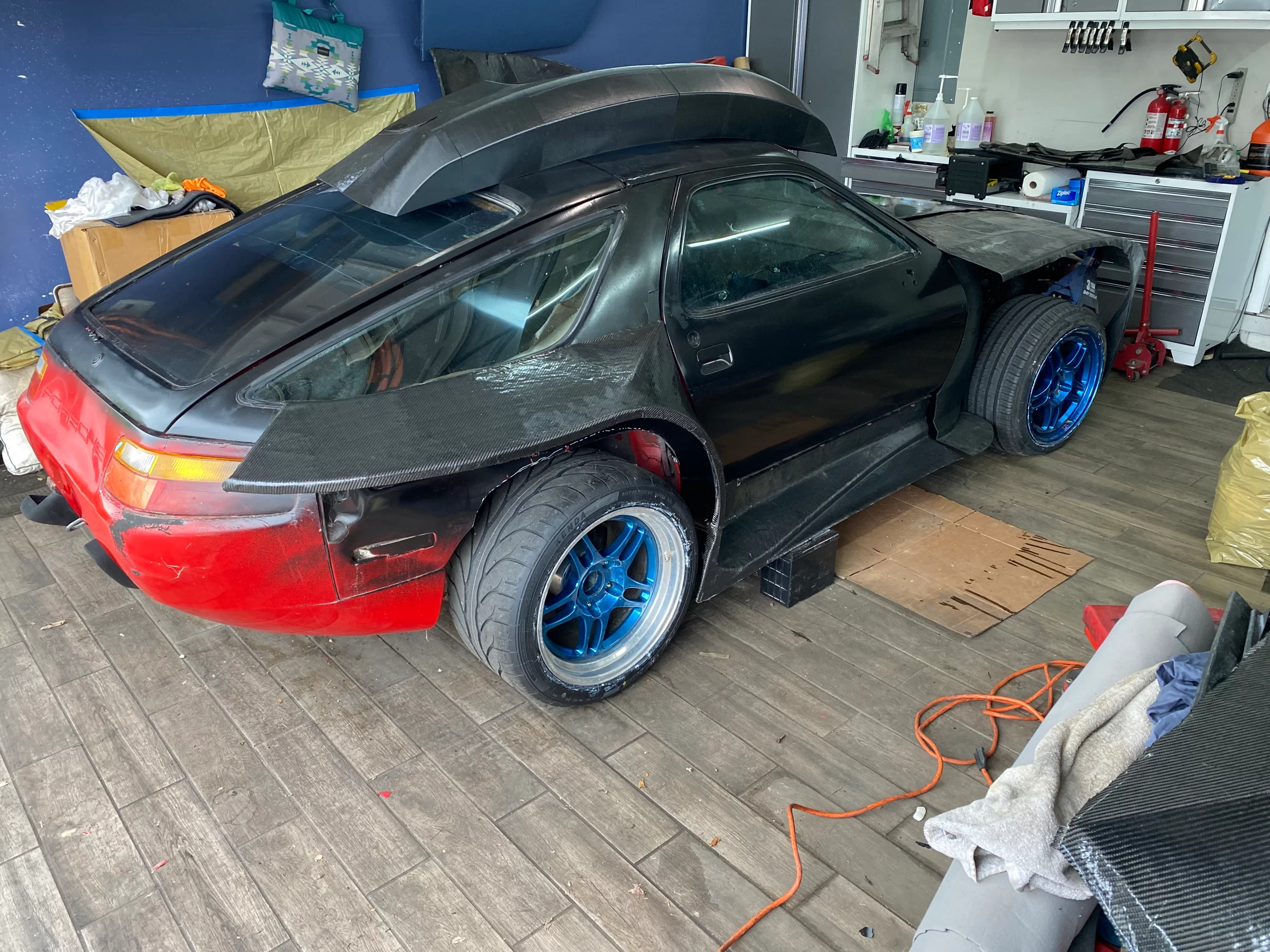
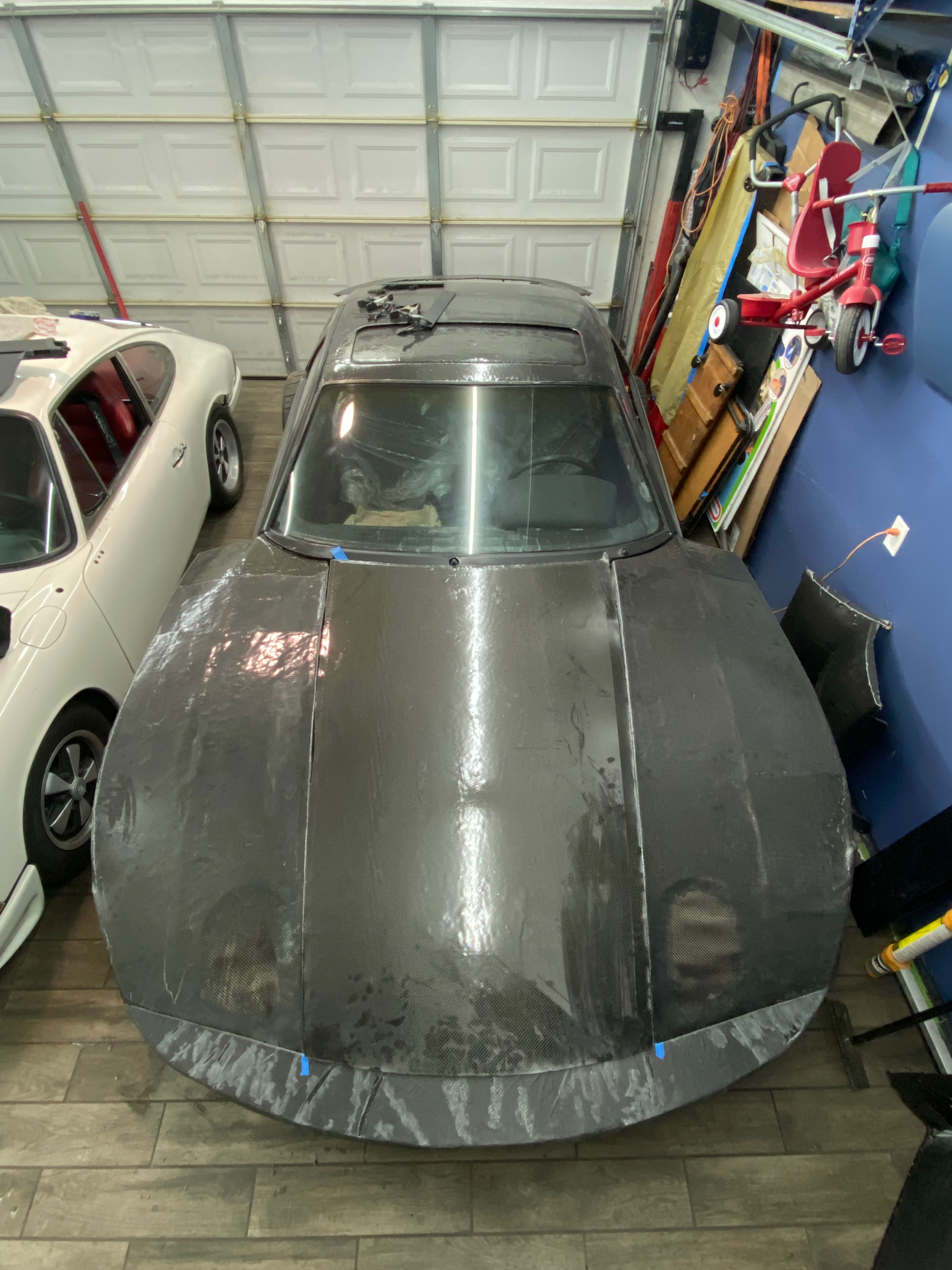
Many first were explored in making this project come together. Carbon fiber and custom body work were areas I’ve never ventured into. While not traditional, proper or the best, seeing the results I could achieve propelled me forward. The printed male plugs were wet-layed and pulled from directly. They left a surface that leaves a lot to be desired but achieved the basic shape in a fast and efficient way. The hood, roof and rear body structures were also skinned in carbon to match the body panels after a coarse layer of black paint was sprayed over the tired red. Test fitting the panels was exciting.
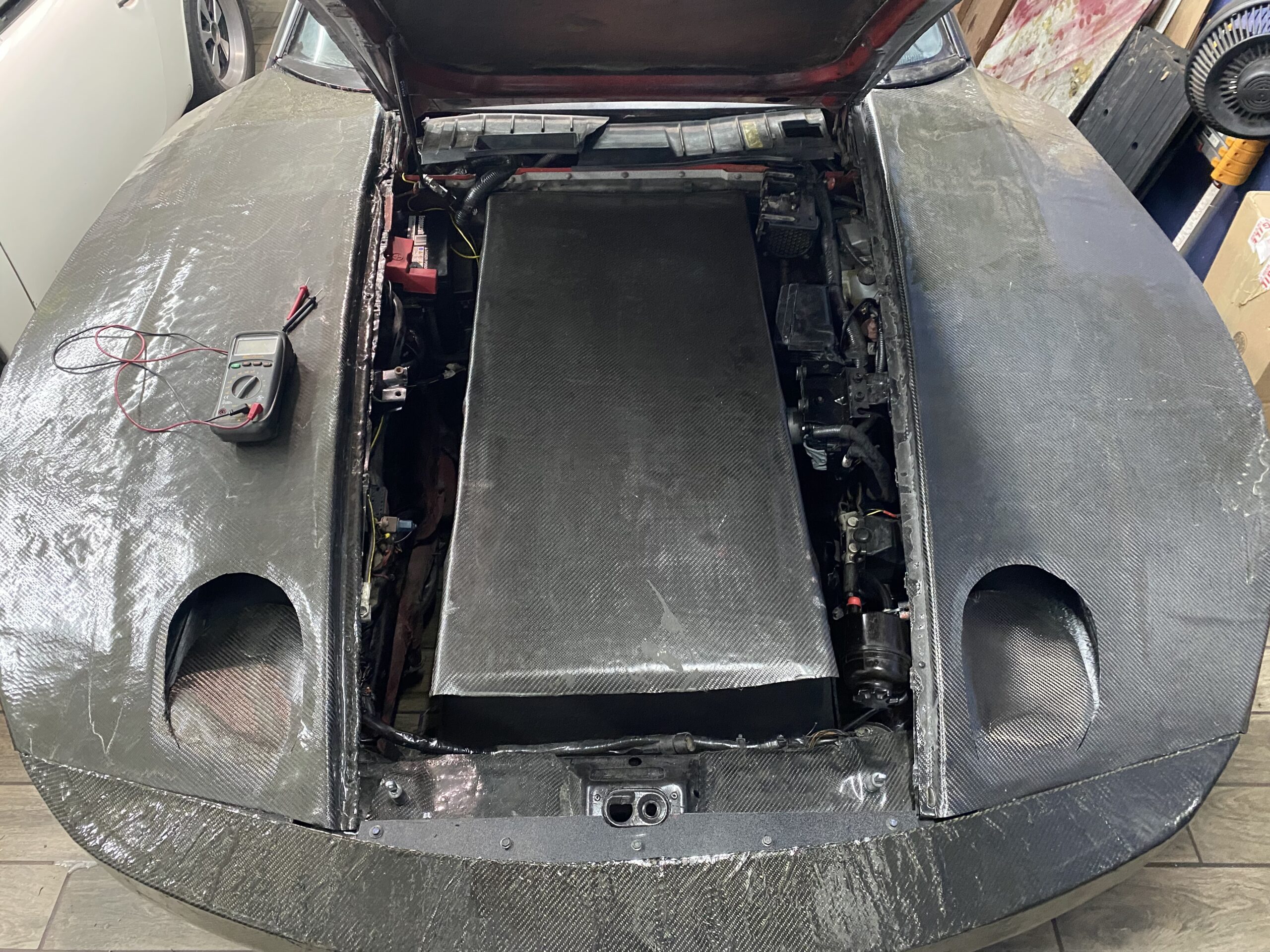
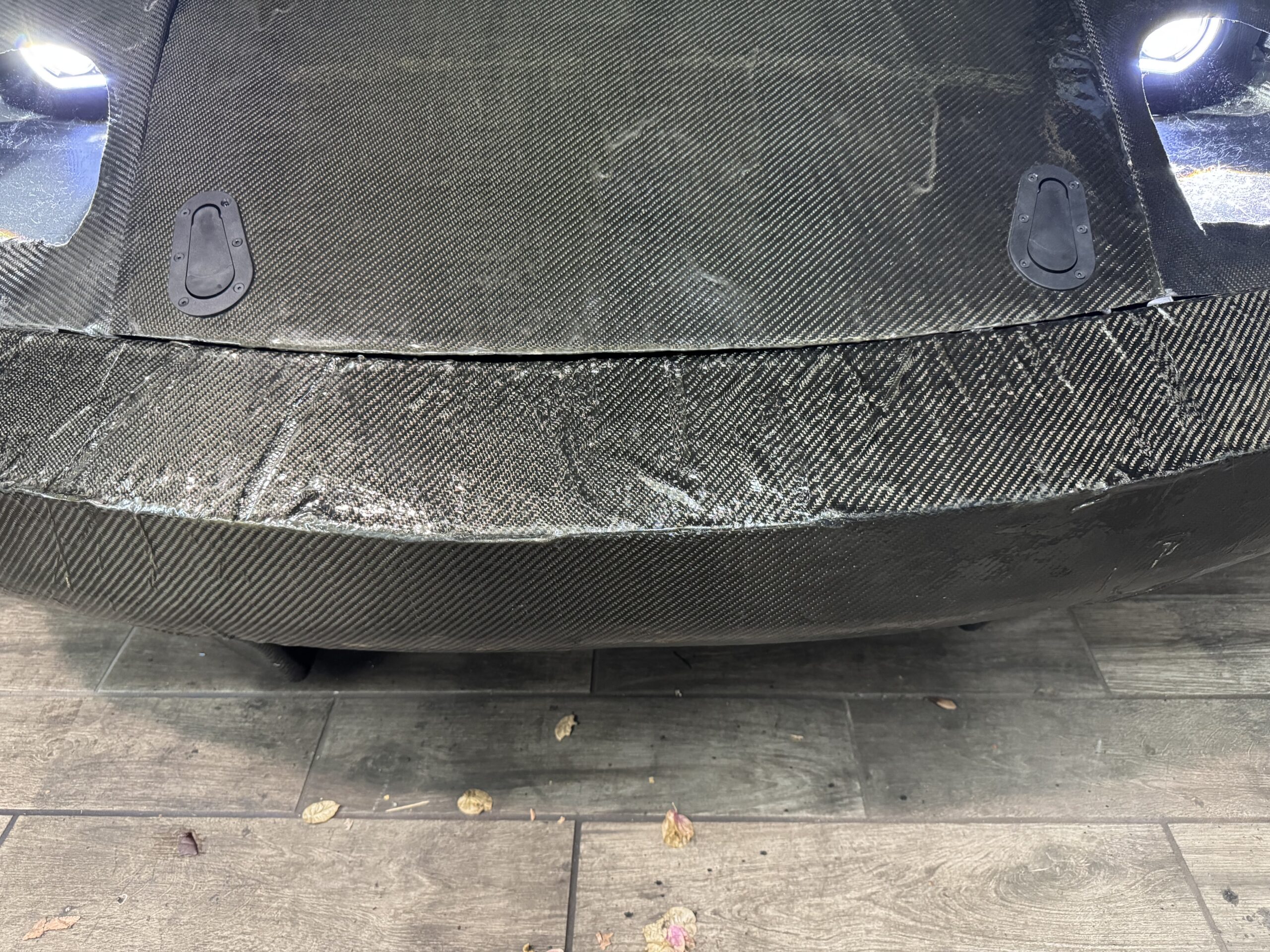
Adding more structure and strength to the battery box under the hood increased my confidence. The carbon fiber cover looks right at home. Aero catch latches keep the hood firmly in place. The headlights are a departure from perhaps the most quintessential feature on a factory Porsche. Rayan cleverly designed a light housing that will be more tastefully integrated into the fenders.
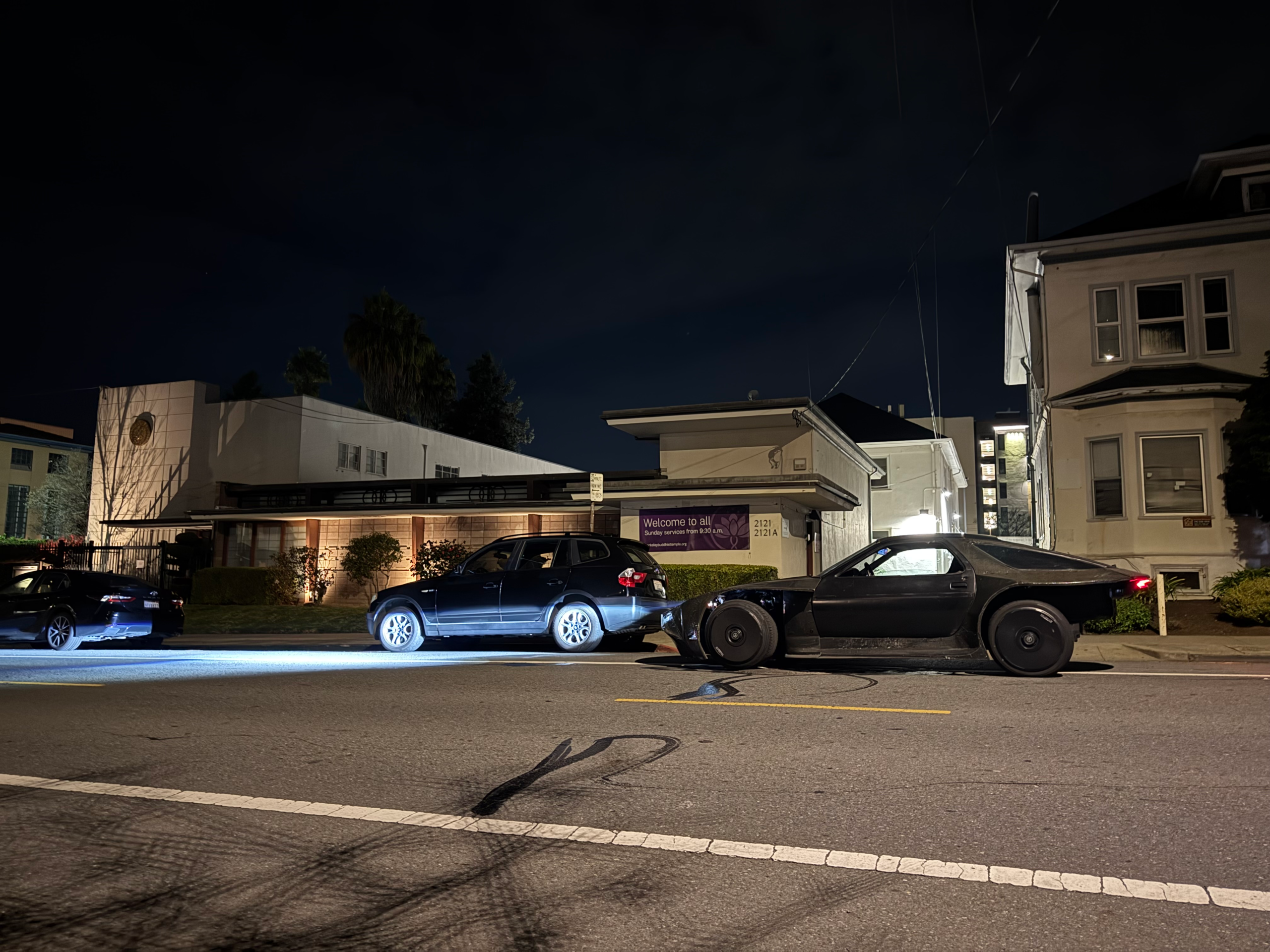
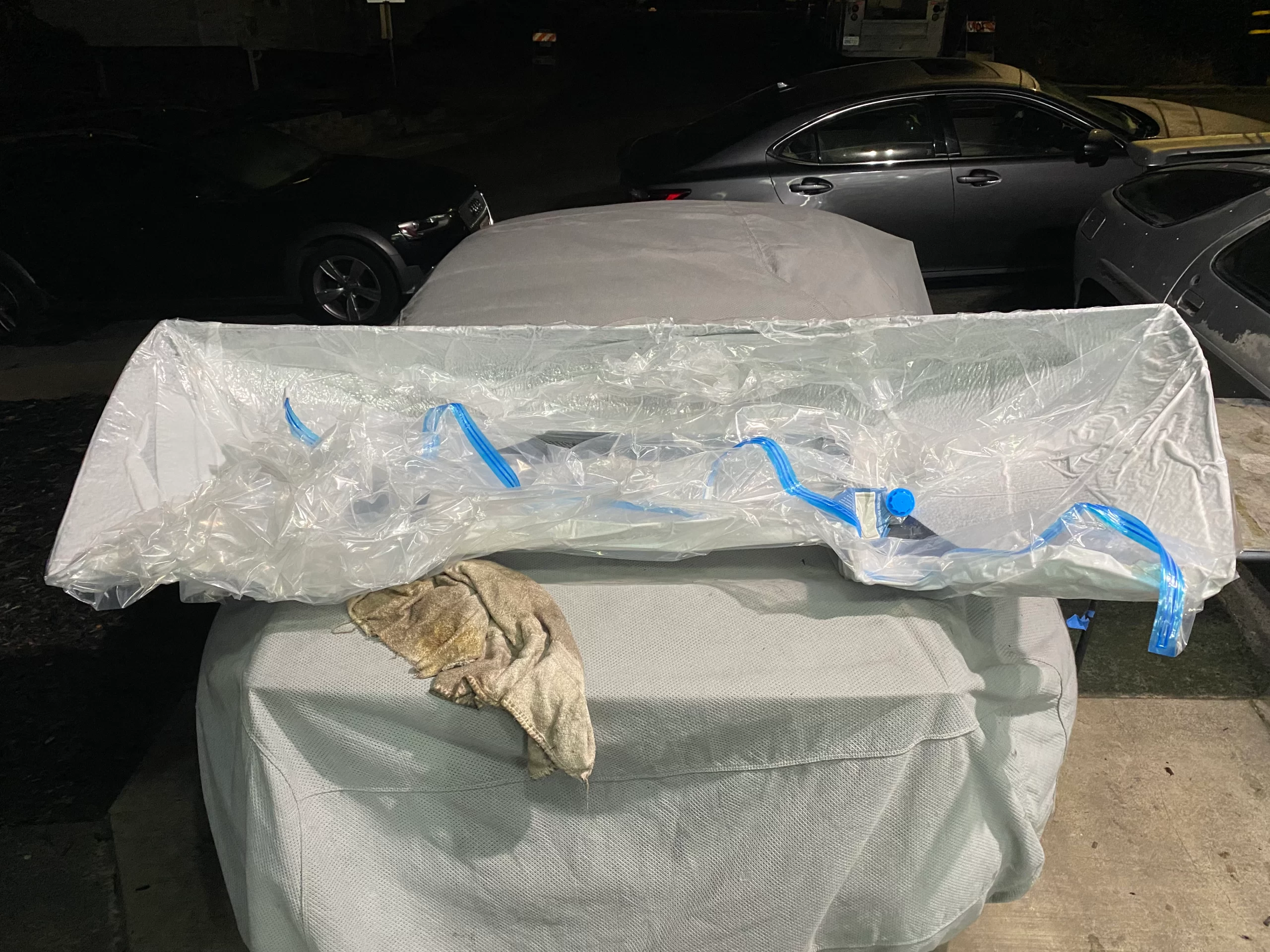
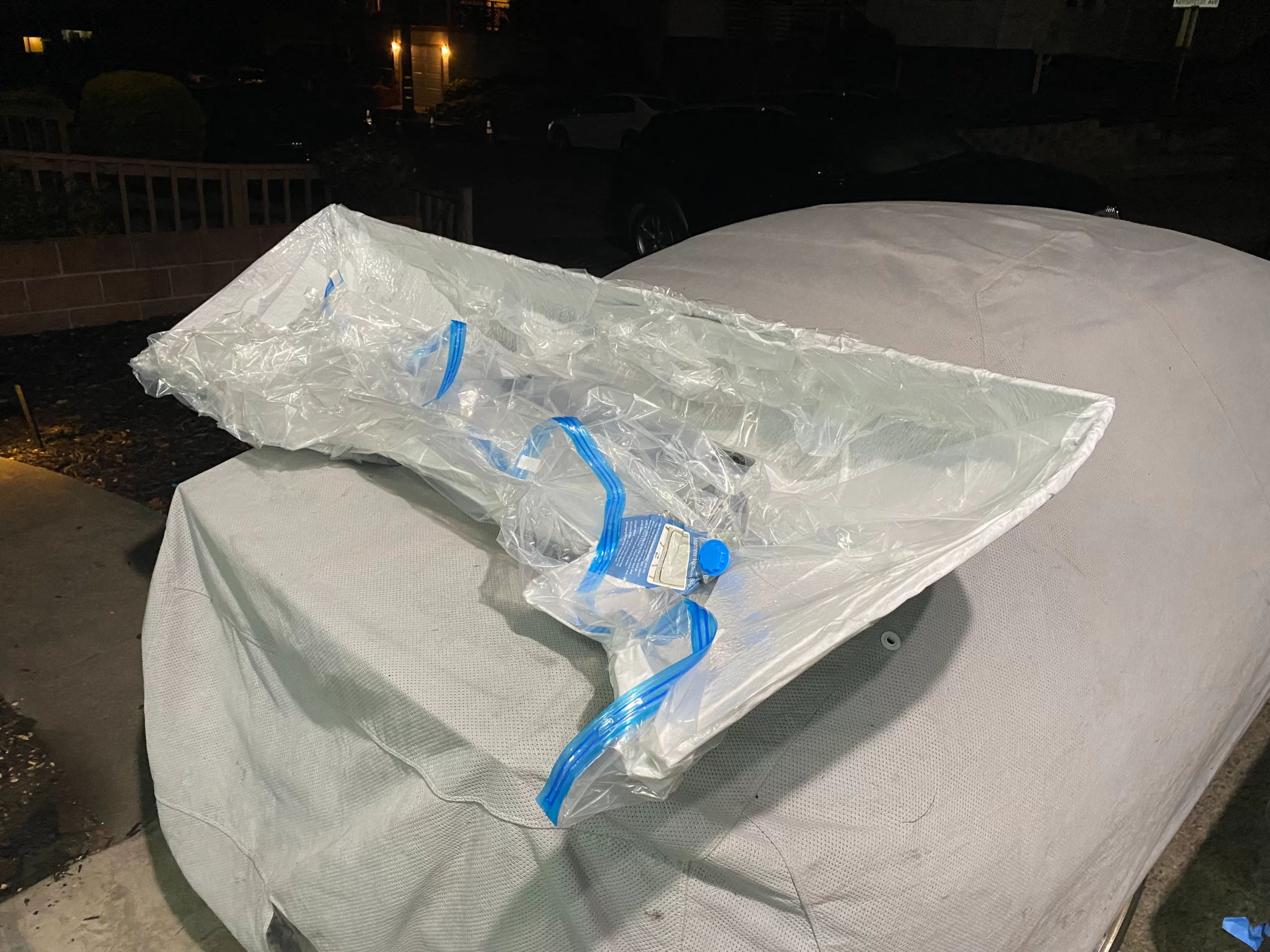
The deliberate void in rear end is another controversial design element of this 928. Borrowing from another electric Porsche to partially fill this void; identifying it as nothing other than its namesake and integrating tail, turn, reverse and fog lights; was a brightfully good time.
Push Push
What is that? What's Next?
The body deserves to be done professionally. The interior door panels should be found and sorted. An air ride suspension to close the fender gaps on demand would be ideal. But above all, it needs more power.
Stay Tuned =o)